

“To be away from home and yet to feel oneself everywhere at home; to see the world, to be at the centre of the world, and yet to remain hidden from the world”
– Charles Baudelaire, The Painter of Modern Life and Other Essays”

The concept of ‘the flâneur‘ is an old one that has recently entered my mind as my PhD research is starting to intersect conceptually with my artistic experiences within ancient city spaces. As someone who feels that you need to walk a city to really experience it, I also believe to really see a city, it helps to sketch it; not the whole thing, and not just its monuments, but small details and elements. The 19th century French symbol of the flâneur is relatable to me for that reason.
For the flâneur, one interacts within urban spaces through engagement (in painting or writing) and observation, but still remains apart- both a performer and spectator. The lesser-known ‘flâneuse’ is the female chronicler of urban life in the 19th century, figures like Virgina Woolf, as discussed in this article, are part of the underespresented presence of female urban explorers. As a modern female explorer of ancient urban spaces, creating a space to discuss, share and engage with these ideas and locations in the public sphere is important to me.
Additionally, this concept resonates for me, as an archaeology student and artist, because it embodies more than a spirit of adventure and making art, but also a spirit of understanding and trying to piece together the urban landscapes that have developed and disappeared over time.
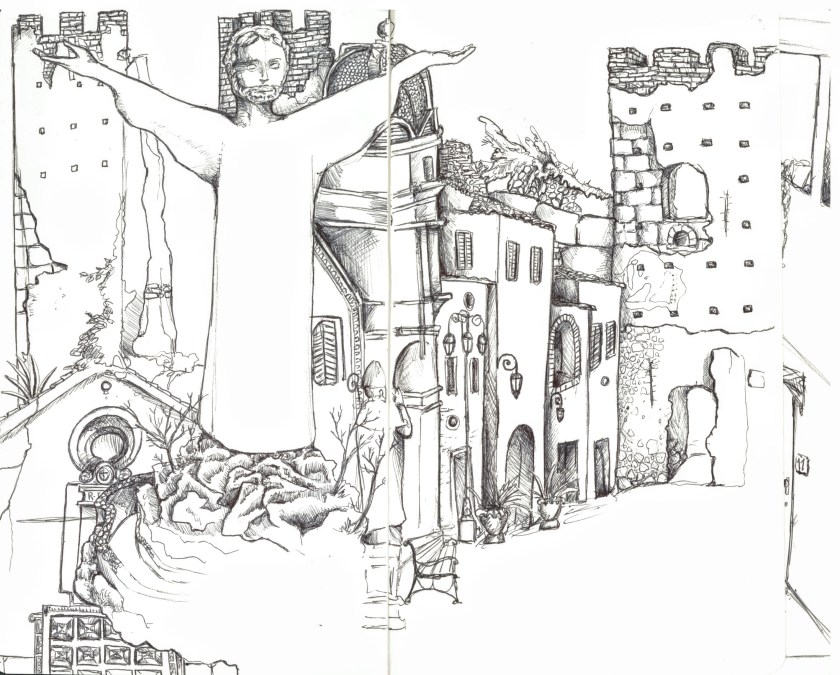
Since my first trip abroad, in 2002, the drive to sketch and take in everything that I could has formed an important part of appreciating a significantly bigger world than I knew. Sketches from my earlier books explored famous portraits and statues the likes of which I’d only ever seen in Art History courses.
This initial exposure provided me with access to masterpieces in galleries that were unlike the art I could see with any regularity in Canada. Sketching from paintings was a lot of fun and I felt so fortunate to see the images, but my first visit to archaeological sites in Greece and Italy really affected what I wanted to draw.

Visiting many sites in the Mediterranean over the last 10 years, I was able to sit and breathe in these ancient cities by focusing in on the shapes and forms of the stone, lines of sight, and views between one temple to the streets or the valleys below. My curiosity directed me to explore artifacts and material culture that were used to adorn Greek, Etruscan or Roman buildings and the individuals who navigated through them.
From Observer to Preformer

The most inspiring pieces of art in the world were at my fingertips (sketchbook and pen tip), but my shyness about drawing in front of strangers took a few years to overcome. Ironically, the simple act of drawing in public would lead to some of the most interesting encounters with fellow travellers, curious children and tour groups. I have found the quiet study of the place you are in, or artifacts in front of you, signals something unspoken to other people which is inviting.
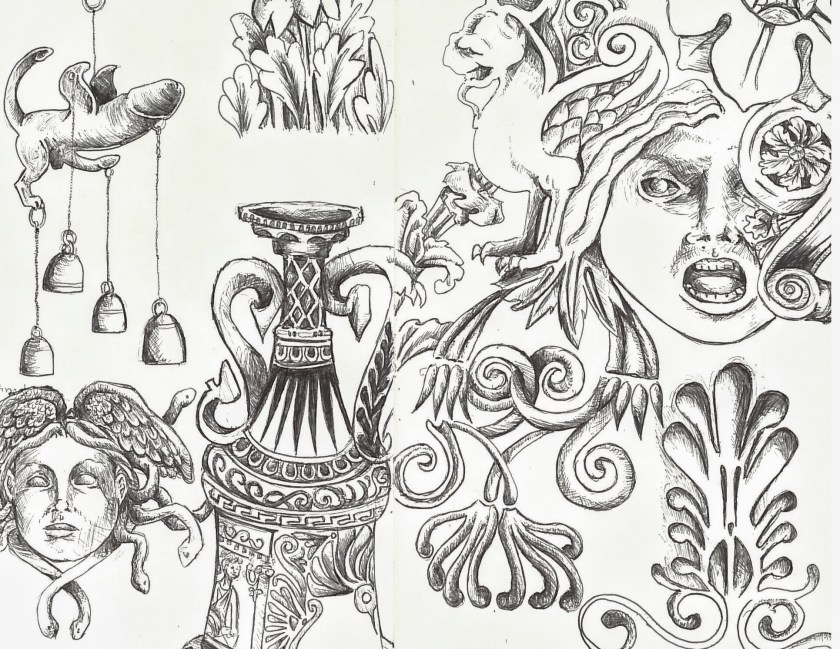
Over time I developed my own sense of style. I could explore patterns and elements taken from brick designs, patterns of lace on Dutch merchant collars, hairstyles of Roman and Greek elite women, and not worry what the person hovering over my shoulder thought.
Much of what made this passion for drawing more appealing was the utility of having something free and enjoyable to do with the many hours you spend while traveling to get to the place you are going. Waiting to cross the sea on a ferry or idle at a train station on my way to a new city, provided me a good amount of time to reflect on my sketches.
This reflection began to take greater shape and purpose once I started to do postgraduate research. Having questions and a focus of study in my mind affects the way I approach the ancient city spaces around me. It focuses my vision, but also encourages me to think on the connections between the visual elements across the Mediterranean. You don’t need to travel all over the Mediterranean to realise there is a shared visual culture being used with an incredible exchange of ideas and styles at play, but it was helpful to visualize the scope.

It began to create a tapestry of experiences (passive and active) in my mind of ancient art and the interconnectedness of ancient communities that had risen and fallen many centuries ago. I remain inspired to learn more and document it in a way that is meaningful to me and hopefully others. By saving a small piece of my experiences in a sketch or painting, I am starting to develop ways in which these small illuminations of incredible places and artifacts can be used to share the benefits of the study of Archaeology and Ancient History.

Thank you for checking out my blog! A bientôt!
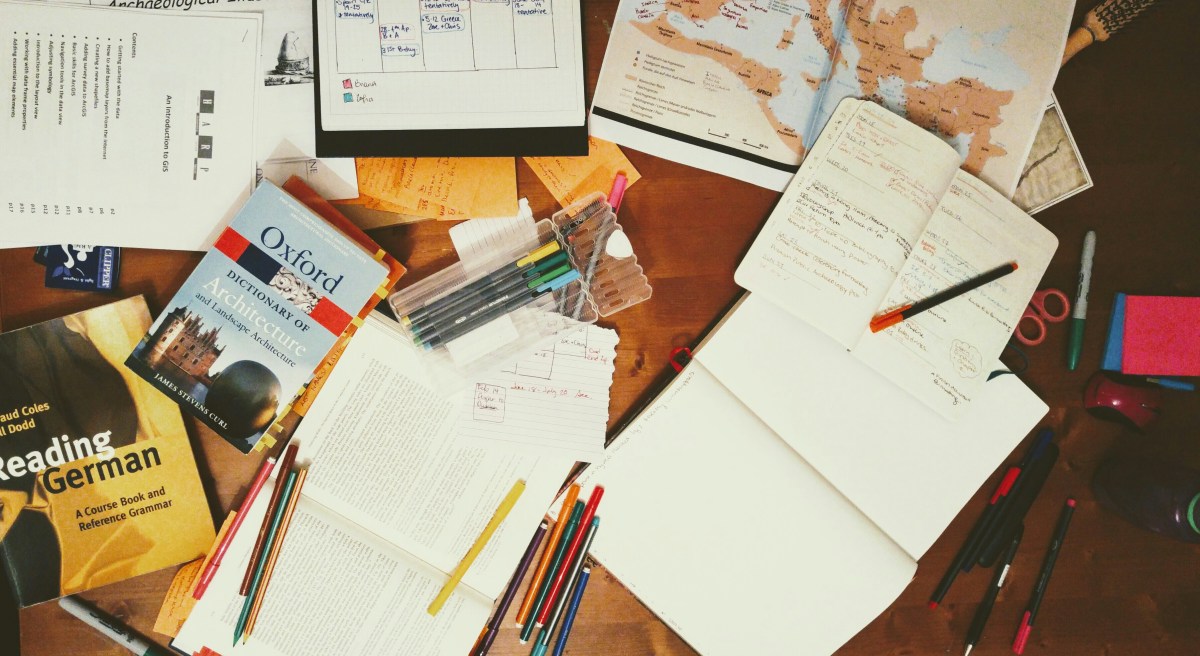
 Deciding to listen to the good advice I was given at the onset of embarking on my PhD, I opted to follow the rule: once you’ve submitted something substantial, take a week and decompress. That can mean many things of course. Understandably, long train rides and walking many miles might not be someone’s idea of decompression, but hey ho.
 1. Go Find Your Chill

 When needing to feel some inspiration, or just wanting a quiet space to draw, museums and galleries tend to be my preferred space to do so. Popping into the Manchester Art Gallery allowed me the rare privilege to see one of my favourite paintings in the flesh – Charles Auguste Mengin’s ‘Sappho’ – which was breath-taking and significantly larger than I’d imagined.
 The depth of the darkness in Sappho’s gown cannot be done justice with a digitized image, and the highlights looked iridescent in some spaces. Sappho, so often presented longingly and wistfully, is shown powerful, dark and mourning. Her angst and colour palette was a natural favourite for me in my high school goth years.
 3. Nightime Walks and Christmas Markets
 While making me homesick, one of the perks of living in the United Kingdom is the on-point Christmas markets. The smells of meat, waffles and mulled wine were amazing. It required all the will-power I possessed not to buy adorable kitsch ceramics, and eat all the treats.
 Onward through town we went, eventually settling into a pub near the university. Ample political debates, methodological discussions and general nerdiness ensued.
 This might seem fairly obvious, but taking 30 minutes out of the day to have a leisurely coffee or popping into a print shop and finding Liam Gallagher greeting cards (nailed it, Manchester) is sometimes the treat you need to clear your head. It doesn’t have to be a big production, but leaving the to-go cup behind and just sitting in nice spaces with friends (or alone) is one of my favourite parts of a solo journey. Seldom do I plan a trip without packing as much as possible into the schedule, but trying it out this month was really rewarding and relaxing.
 Taking stock and heading home, I was thoroughly impressed by the juxtaposition between new and old buildings in the city. There is a lot of effort to create dynamic visual landscapes, which living in the historic neighbourhoods of Edinburgh, I occasionally forget that skyscrapers, tower block flats and vivid colour are normal to see. Shaking off the last few weeks of 14+ hour work days, and stress that ate normal stress for breakfast, I definitely came back feeling more refreshed, and through that, optimistic. Though only a few days, it was a wonderful stop.
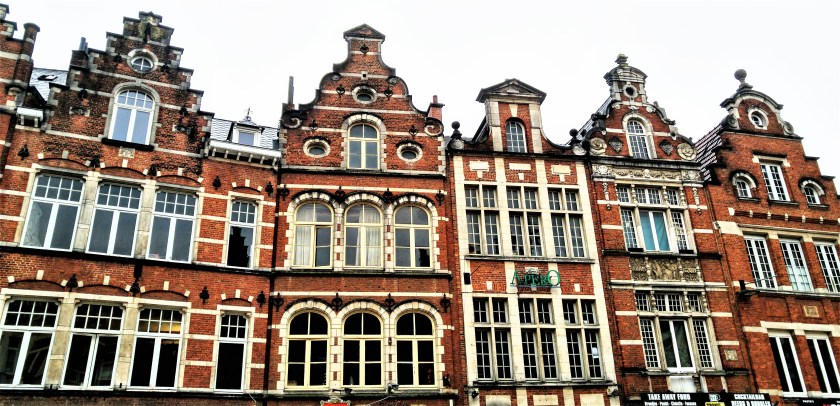 Next stop: BRUSSELS! 48 hours later, my partner and I jumped on a plane and were en route to Eindhoven for a week
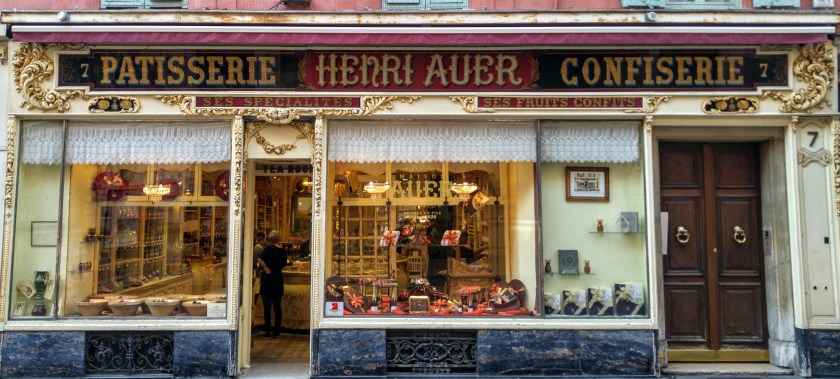
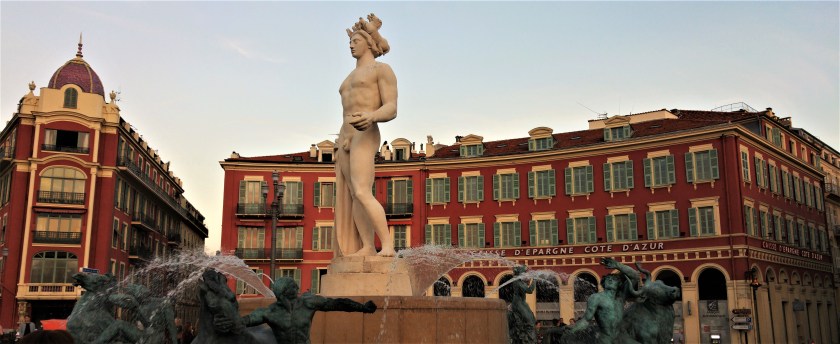
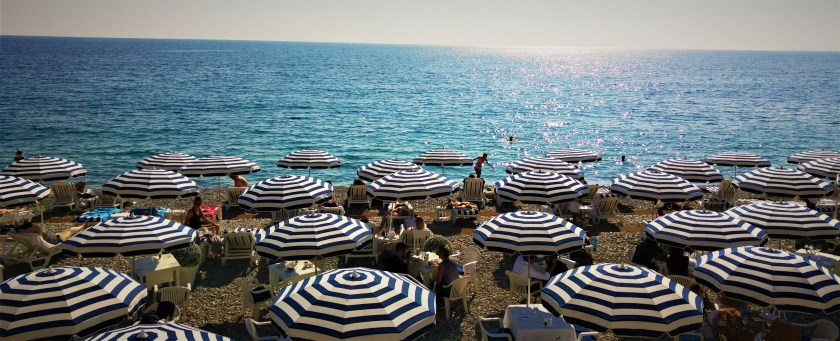
 I wish I could say that I studiously read up on much of the history of Nice, but that would be a lie. We came for sun, beaches and the famous cuisine that characterize this gorgeous little spot of paradise.
 The open-air markets had spectacular varieties of sea salts and spices, with dried herbs and lavender filling the air in the narrow winding streets.


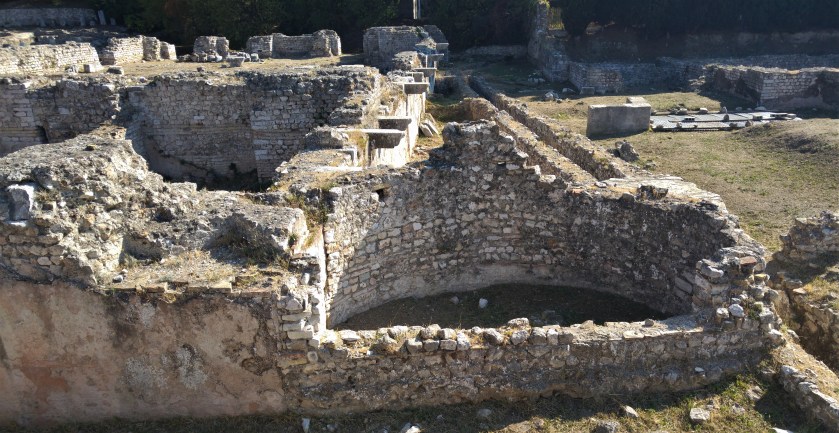
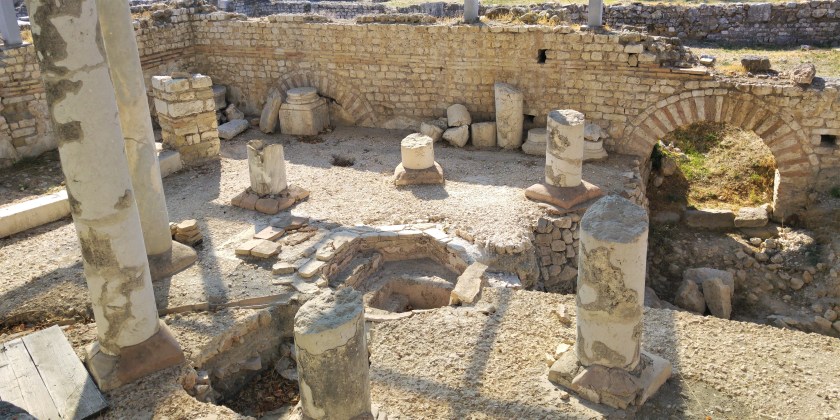
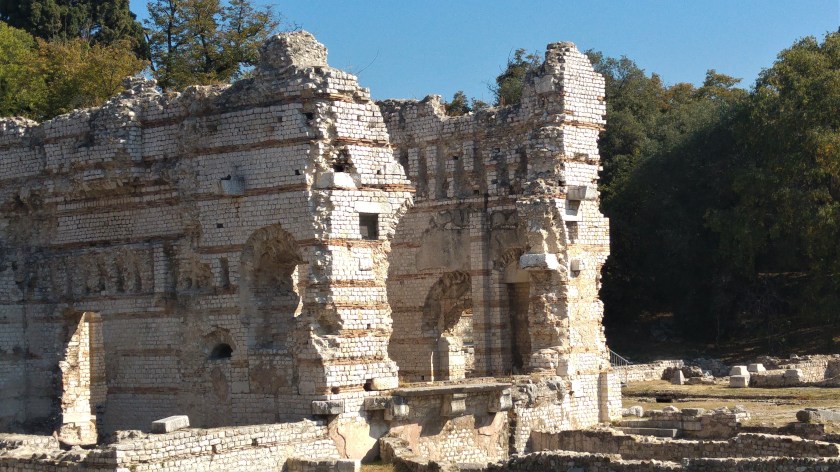
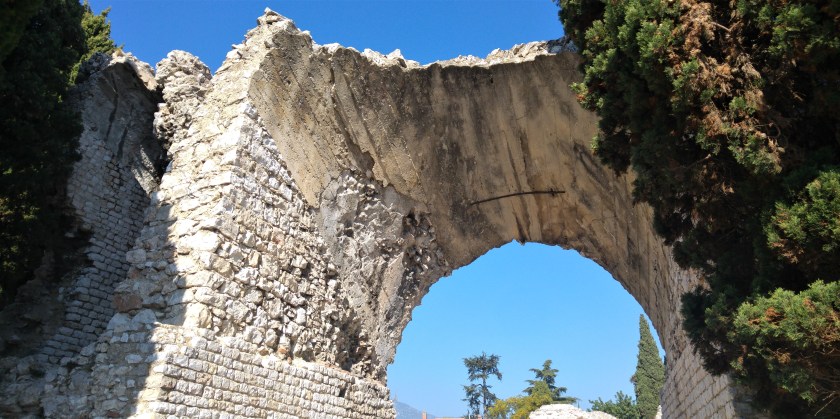


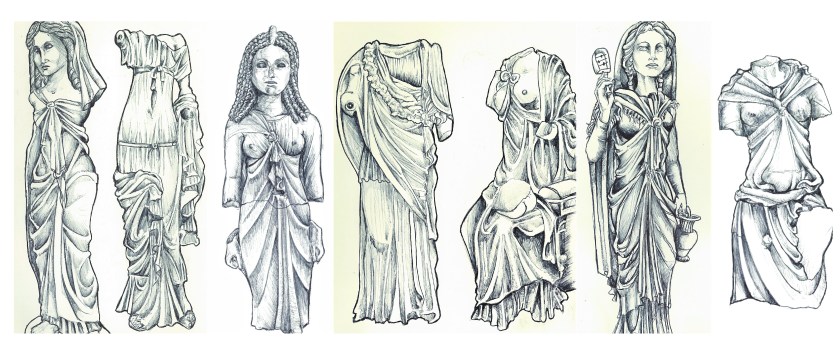 “I divided the earth from the heaven. I showed the paths of the stars. I ordered the course of the sun and the moon”. (Kyme Aretalogy in honour of Isis)


 My Masters at the University of Edinburgh was spent exploring the Greek and Hellenistic routes of the cult, from multiple angles, to start filling in the picture (and creating many of my own pictures).


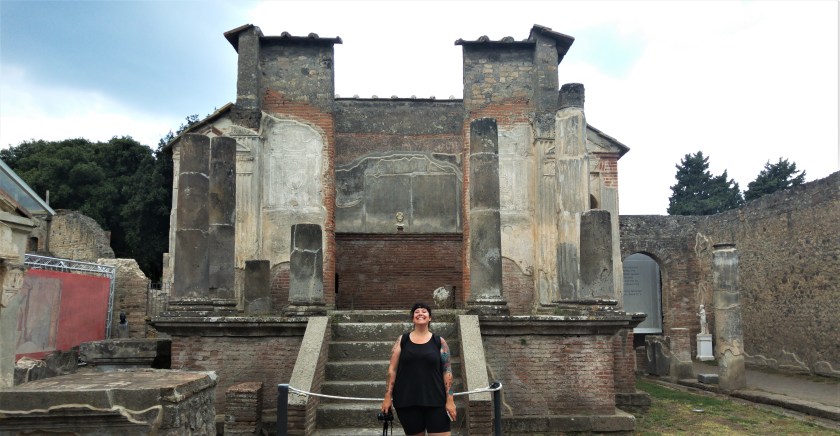


 There are still so many sites, statues, and sistrums to see in my journey into my studies of this Cult of Isis!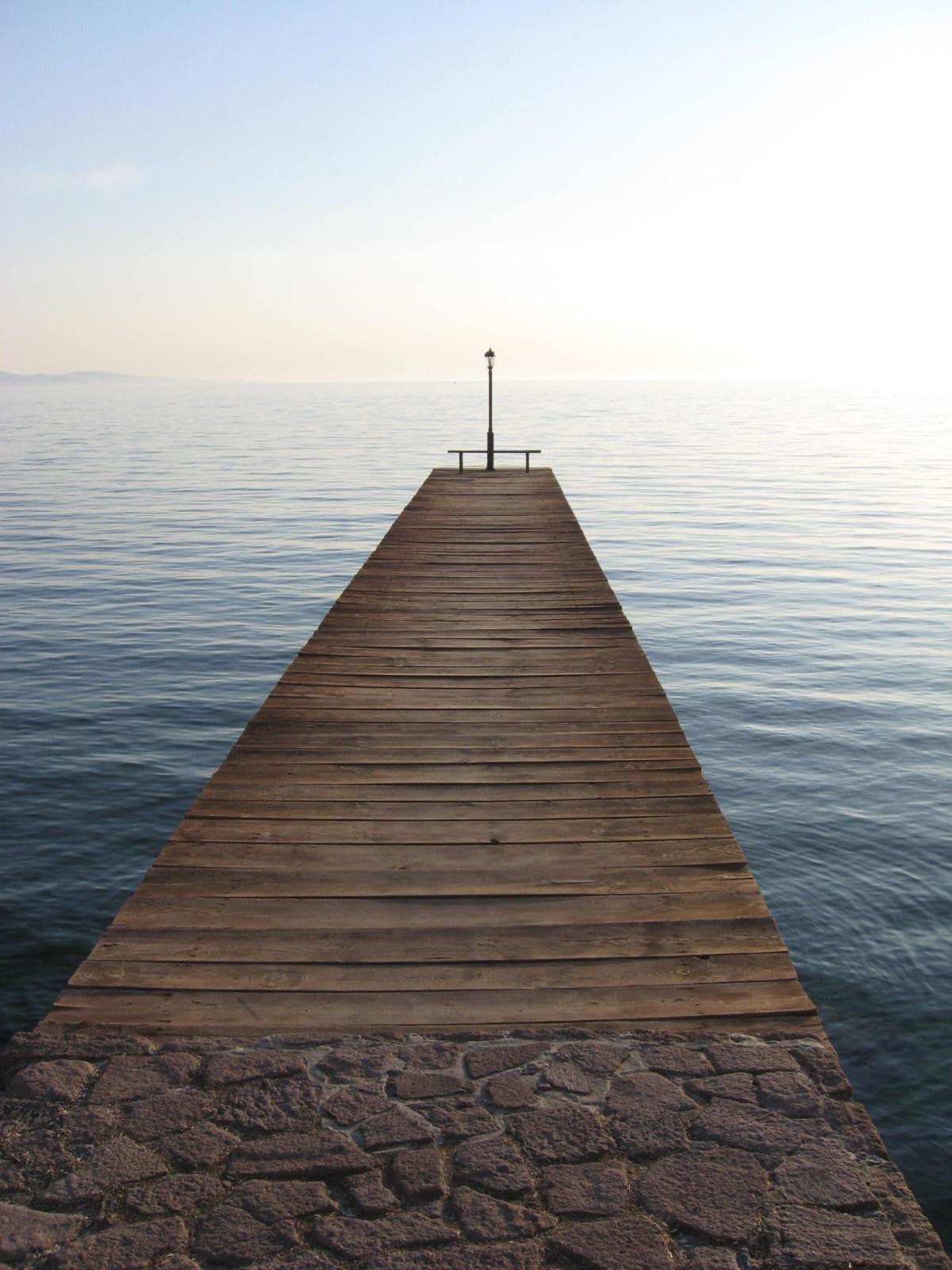

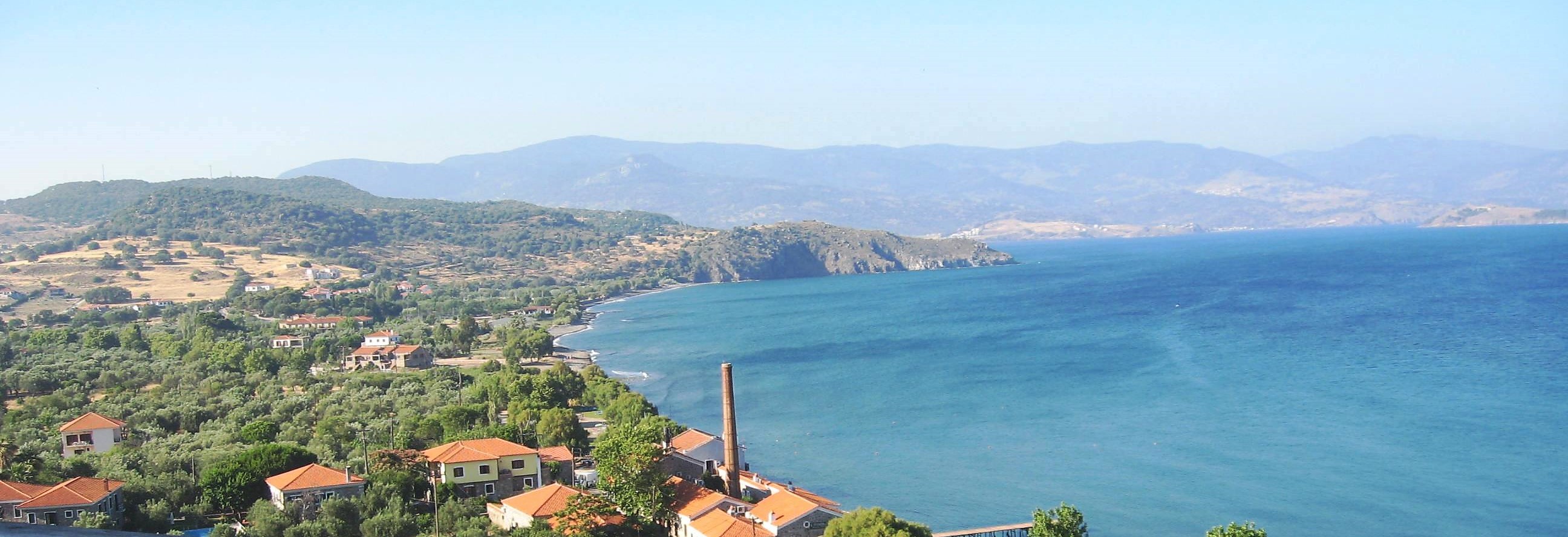 As one of the largest Greek islands, and the nearest to Turkey, there is a remarkable amount of cultural fusion and warmth that shaped my experience of living in Mithymna (Μήθυμνα / Molyvos) for several months, some years ago.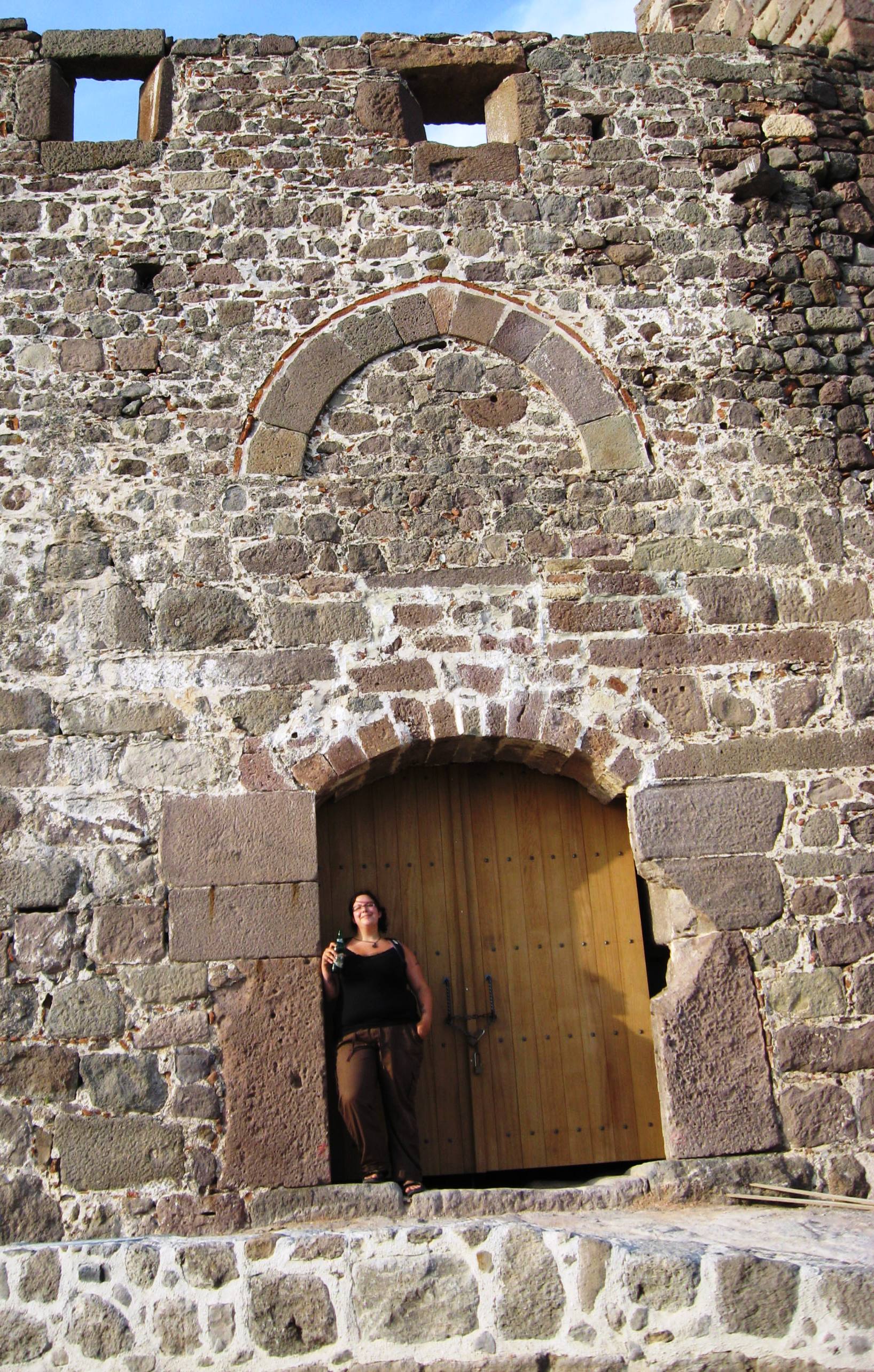


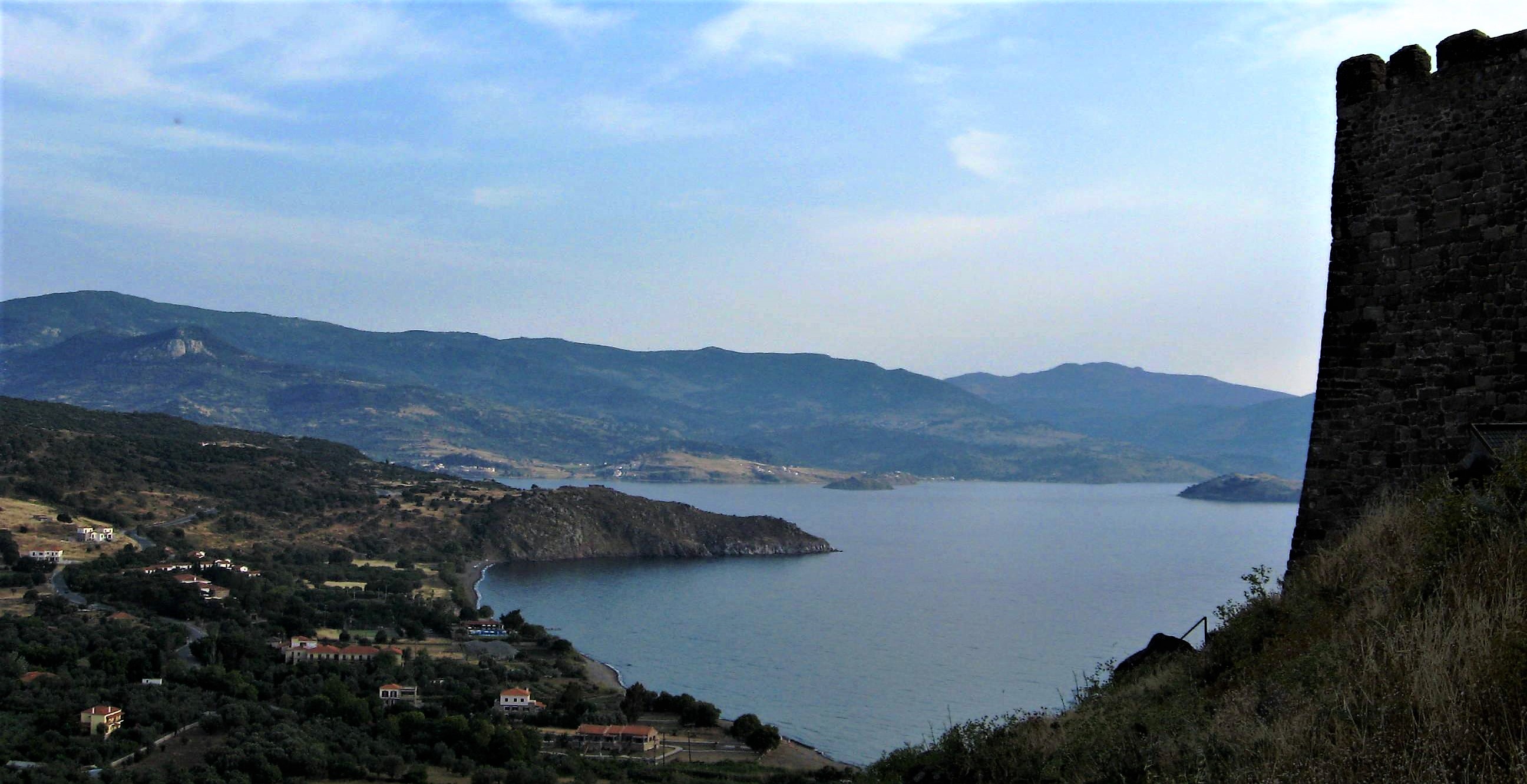 Like many ancient city centres, Mithymna has a foundation story whose characters possessed the very names of the location – in this case, Mithymna (daughter of a mythical son of the god Helios) who was married to the personification of Lesbos. Hard to prove, so I’ll take the Oxford Dictionary of the Classical World’s word for it.
 Mithymna and Mytilene had a solid rivalry throughout this conflict and beyond, which I will go into when I post about Mytilene. But for the time being, some dark business went down during this three decades long war, and Mithymna and Mytilene had some serious issues to work out afterwards.

 The formal alliance between Rome and Mithymna was dated by an epigraphic source to 129 BCE. The Roman poets and writers spent many words to describe the quality and superiority of Mithymnian wines.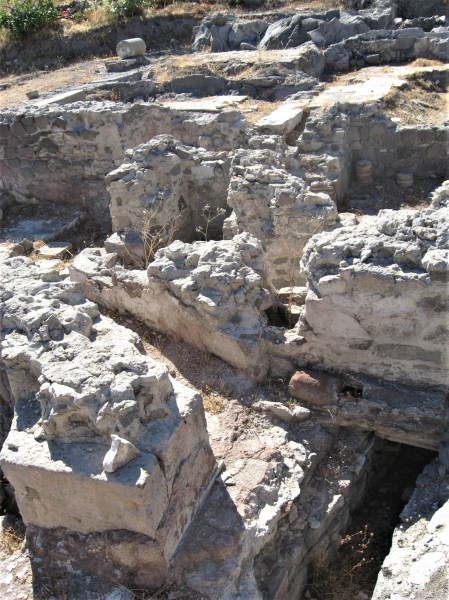

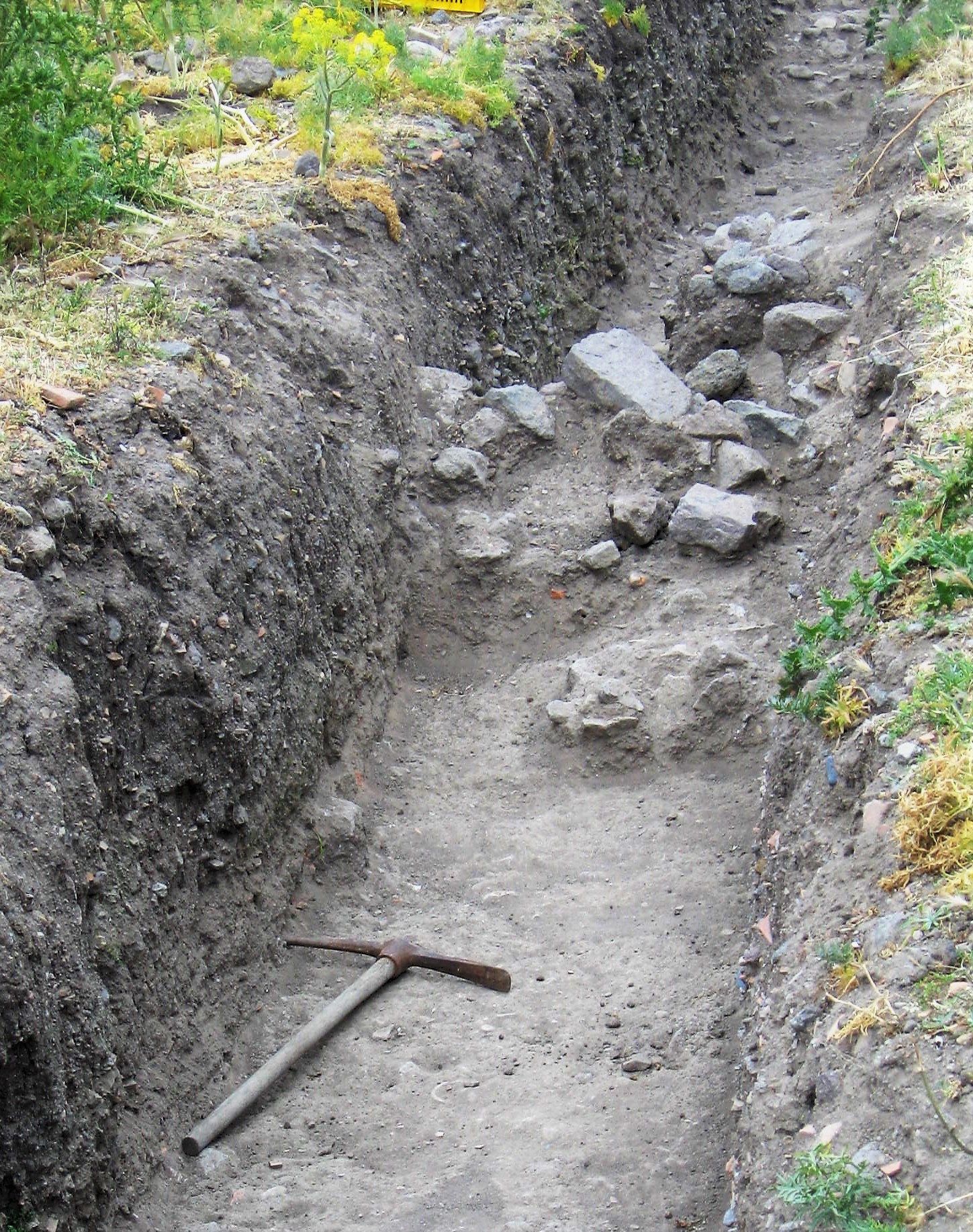
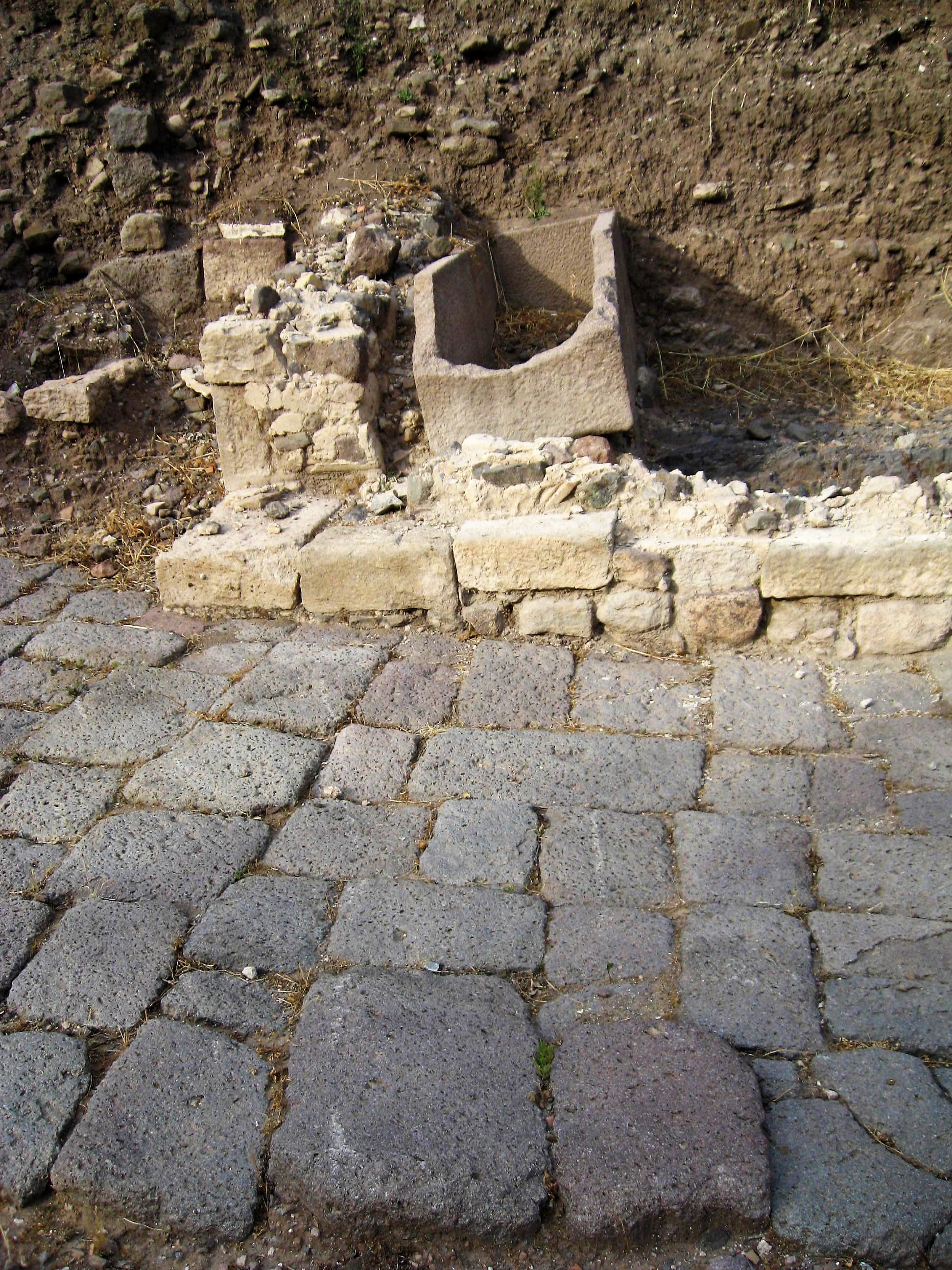 With the political upheaval in the 5th century AD of the western half of the Roman empire, Lesbos fell into the orbit of political authority from the Byzantine power-base of the eastern empire. This orientation affected the flavour and practices on the island as Christianity became the prevalent belief system and religious power throughout the empire.
  Thank you for reading my blog!















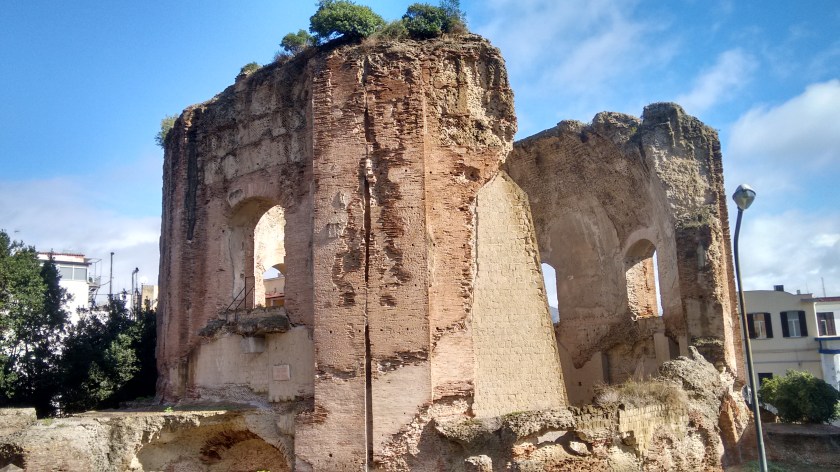


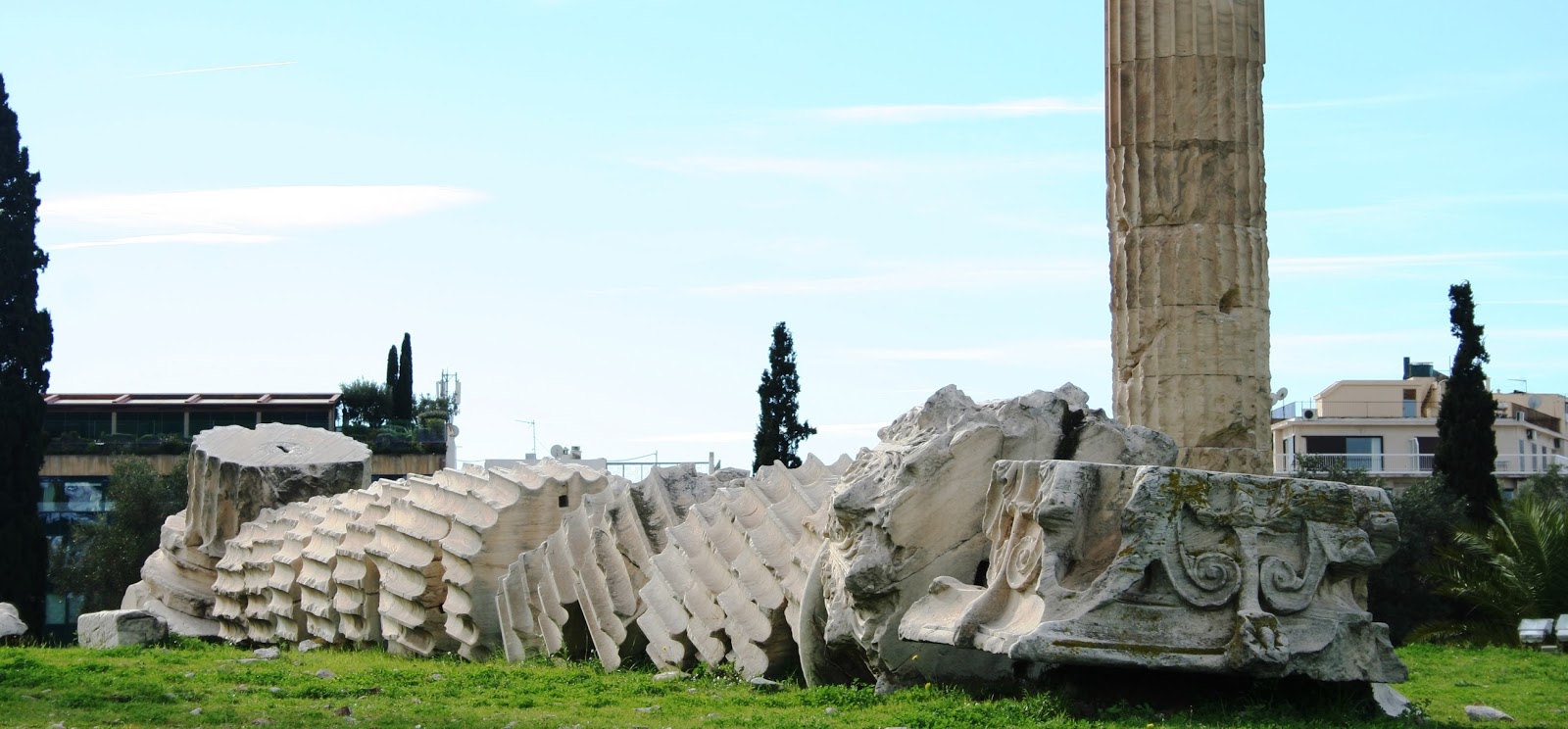
 The Antigonid’s took over leadership of Macedon and Greece following the end of Alexander the Great’s family line, and successfully wielded the same ideology to justify their control over the Greeks: ‘protectors of Greek freedom’, an iron fist in a velvet glove so to speak; they controlled Greece through benevolent subjugation. Through the general practice of eugaritism (benefaction for honours), the Greeks were given beautiful buildings, festivals, and money in return for obeisance to Macedonian authority. For their own part, the Greeks had spent the last few hundred years restlessly under the yoke of the Macedonians, who they considered barely civilized.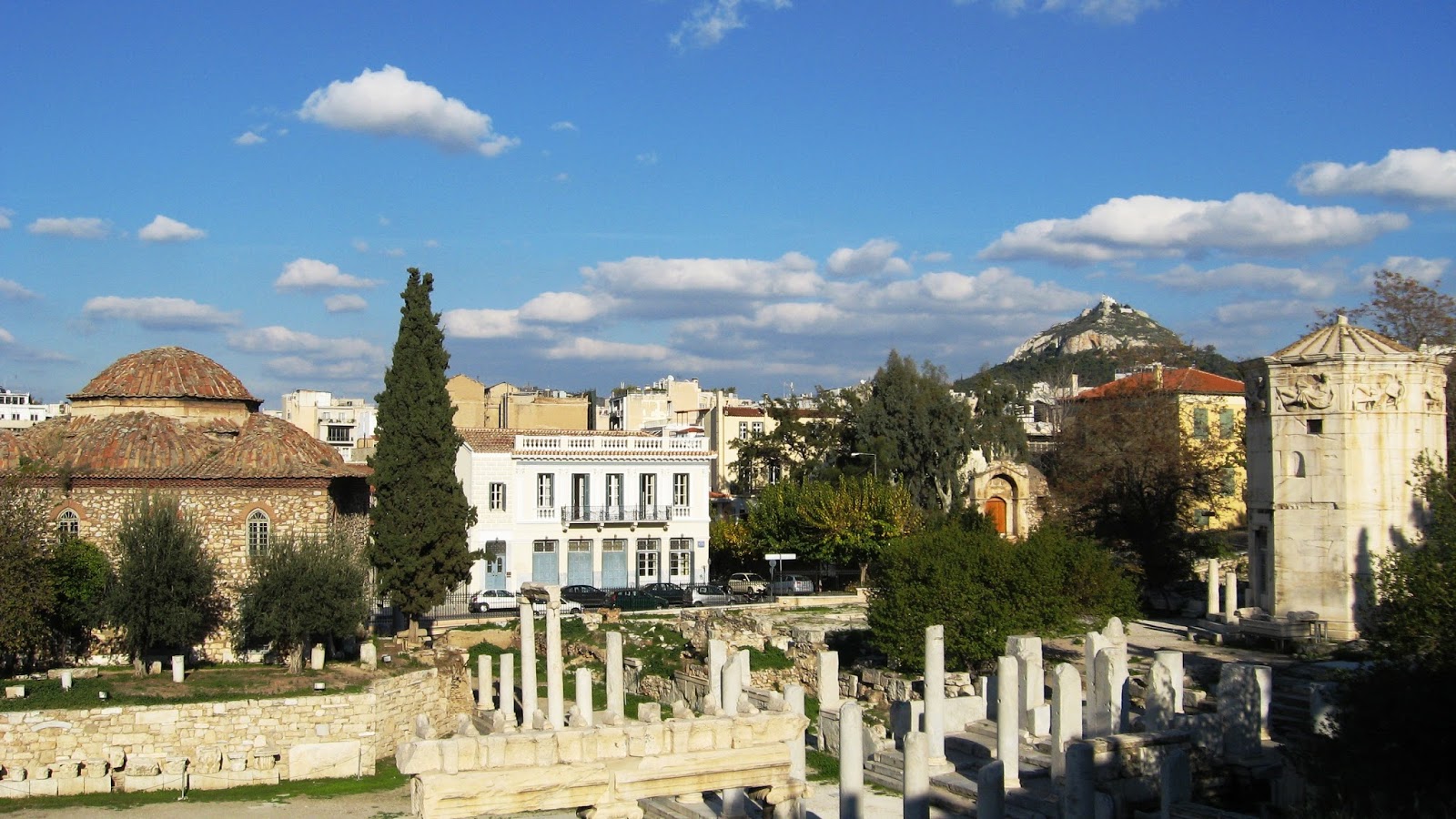

 ArchaeoArtist
You must be logged in to post a comment.