

The Roman celebration of Saturnalia was held for several days in mid-December to celebrate the passing of seasons, with its roots in the worship of the agricultural god Saturn. Saturn was syncretised with the Greek Kronos as the Romans came to control Greece, becoming increasingly invested in their gods. Saturn is often depicted as an older bearded man holding a scythe, an acknowledgement of his agrarian roots. The temple of Saturn in Rome stood prominently in the forum and is evidenced to this day by eight impressive columns and a partial podium.

From the late Republican period (the last 1oo years or so BCE) the midwinter celebration officially grew from three days to five in the Principate (December 17th to December 23rd). These were just official trends as it’s generally believed that unofficially it was a week, a bit like now depending on your employment. For the Romans work, studies and legal actions came to a halt and people were ready to party!

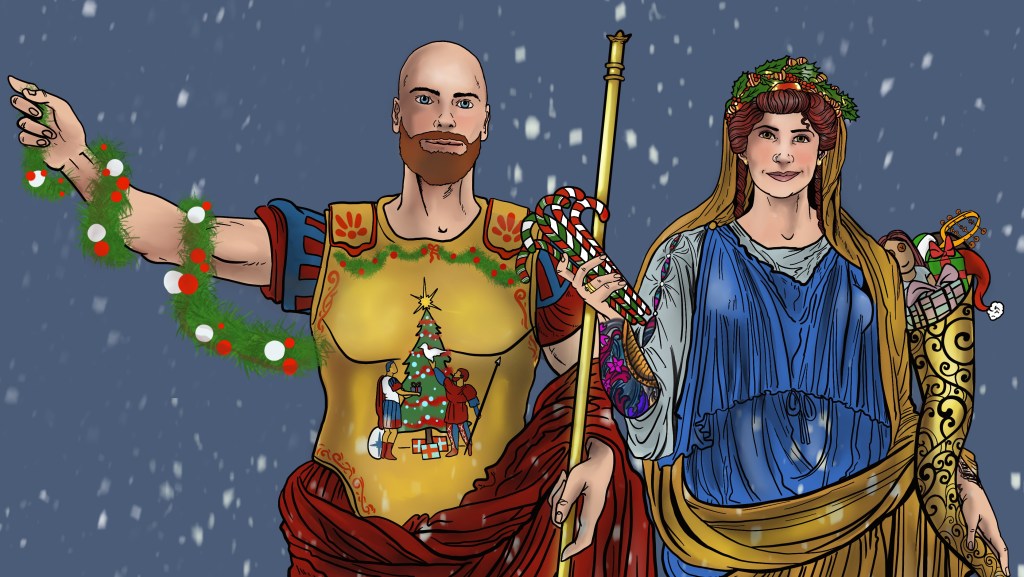
In Lucian’s Saturnalia, he speaks with the voice of Saturn in dialogue with a priest, observing how the revelries in his name should take place among the Romans: gaming, dancing, song and drinking were all part of the celebration of Saturnalia; it also involved things familiar to us today like decorating homes with greenery and wearing bright and colourful clothing (synthesis), like ugly sweater parties! Lucian’s Saturn is a very reasonable god who lays out three “laws” for gifting, celebrating and banqueting, emphasising fairness in all measures and not being compelled to act or gift beyond your means.
The King of Saturnalia
A king of Saturnalia acted as the ‘Lord of Misrule’ (like Carnivale) in these celebrations. Elected as the mock king, the Saturnalicius princeps, this agent of acceptable chaos in the household would walk the line between being a cheeky chap and straight up humorously (presumably) insulting guests and members of the household. Bear in mind that Roman households could be somewhat larger than ours – the nuclear family at the centre could include grandparents, cousins, adopted family members, children from other marriages, guests and the enslaved household labourers. Many of the societal norms were relaxed and played with in the household, where during this period the enslaved could eat at the head of the table with those who owned them taking a lower status position. Women too could mingle with men (in some circumstances) a little more freely and could hang together and gamble.

Gifts for Saturnalia
Gift-giving was an important part of Saturnalia. Gifts of high value were not necessarily what one would expect, generally the humour of lower cost gifts was appreciated- like trolling a friend with a joke gift. Catullus wrote of receiving epically bad poetry for a gift and it is fun to imagine the kind of hilarious insults he possibly wrote for friends for their gifts, like getting ‘read’ by Oscar Wild but smuttier. Saturnalia gifts could include: sausages, dried fruit, wine, piglets, wax candles (cerei), dolls, toys, books, statues, tools, exotic pets and more!
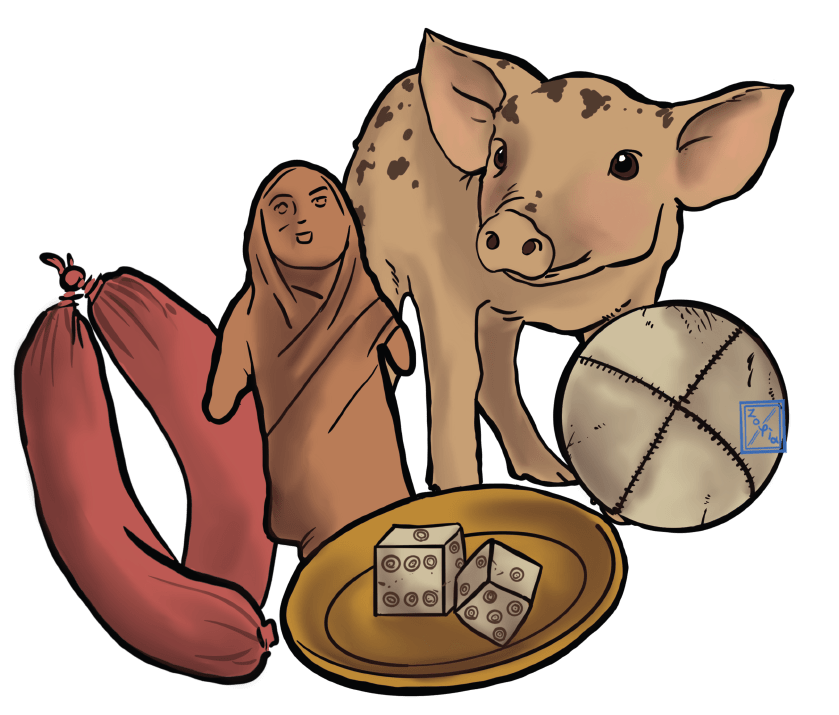
The last day of Saturnalia
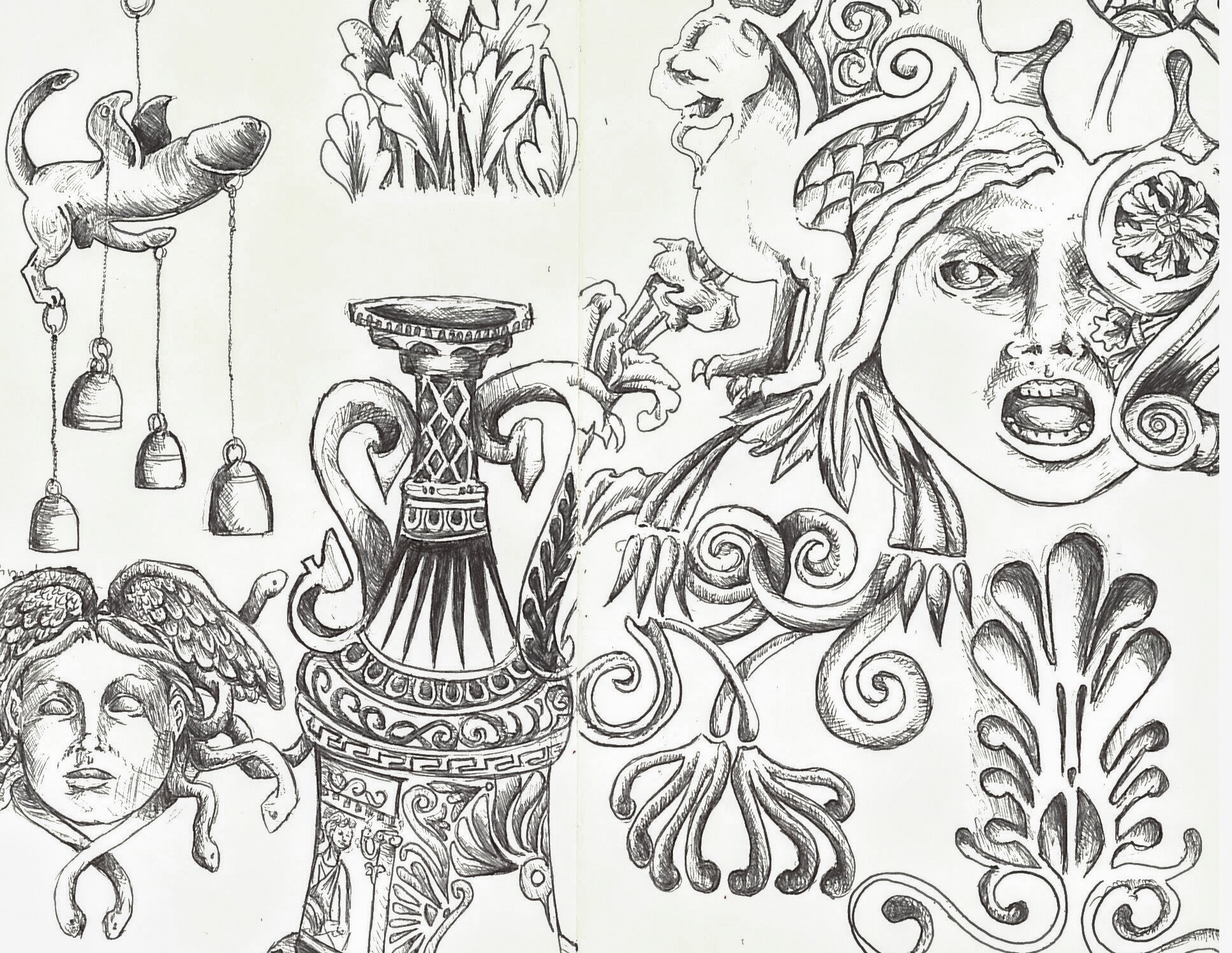
As all good things must come to an end, so too did the annual revels of the Romans. On the last day of Saturnalia one would give sigillaria – terracotta or wax figurines, shaped in the likeness of familiar deities, mythical figures or easily caricatured types (grotesques). The day itself was called ‘Sigillaria‘; the gift type and gift-giving influenced the day’s name. Much like Boxing Day which one theory suggests may have started (according to the OED) as the first weekday after Christmas when postmen, delivery workers and servants of various types would receive a Christmas box, in which was some type of gift or tip. Possibly due in part to the ways gods were part of the everyday lives of Romans, and worshipped in the home in small devotional figures – the Lares – as guardians of the home, it is not surprising that a popular gift would include their likenesses in inexpensive small gifts, conferring further good luck and protection. For the wealthy, these gifts could be made from costly materials like gold or silver. Given their popularity, someone who crafted and sold this merchandise was called a sigillarius. Vendors were quite busy at this time of year, setting up stalls like the Christmas markets we are familiar with today.
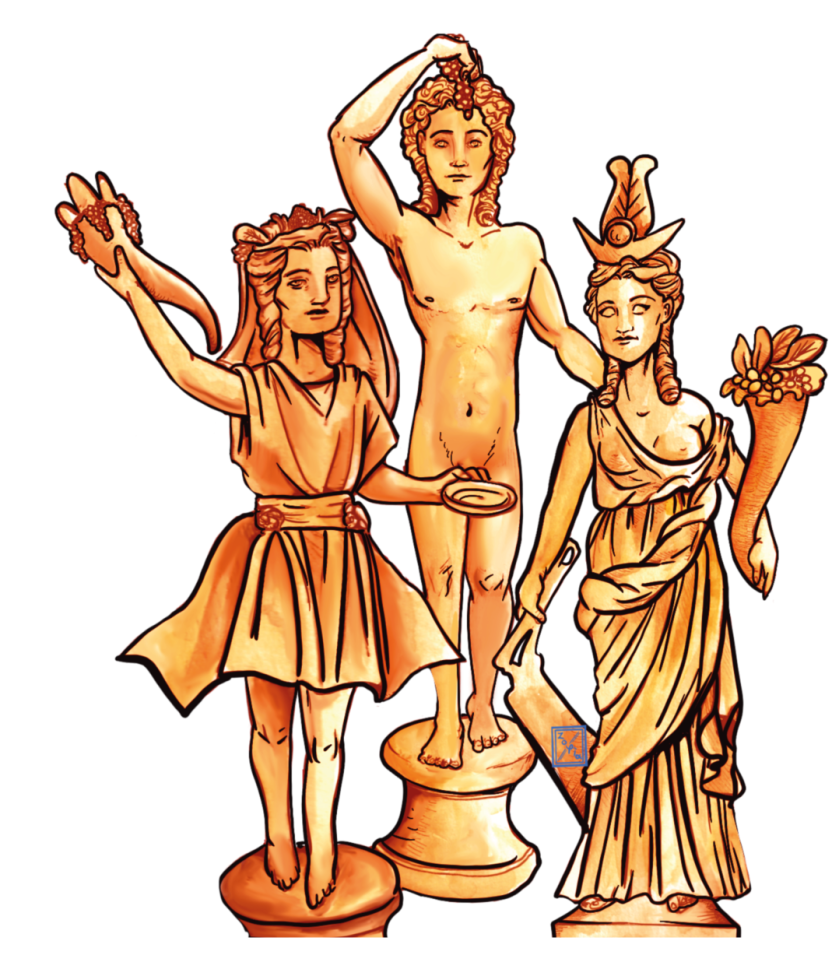
The Romans had many festivals throughout the year, and a few days after the wild revels of Saturnalia, they celebrated the sober and solemn Compitalia, another festival in which metaphoric beginnings and endings are associated with the end of the year. Named after compita (crossroads), the recently revelrous enslaved peoples would offer sacrifices on behalf of the households within the neighbourhoods they lived to the Lares of the crossroads. Perhaps it is fitting to have a week of revels which brought families and friends together be followed up with a more sober festival which celebrated the bonds of community. Saying goodbye to the year is always fraught with bittersweet reflections with this year being notable in that regard, as surely in many world-changing years before the communities celebrating these rites would join together to celebrate and pray for better times ahead.

Stay safe and thank you for reading!
Io, Saturnalia!






































































 There is a fine art to going to see art. Nothing makes you unhappier faster than being
 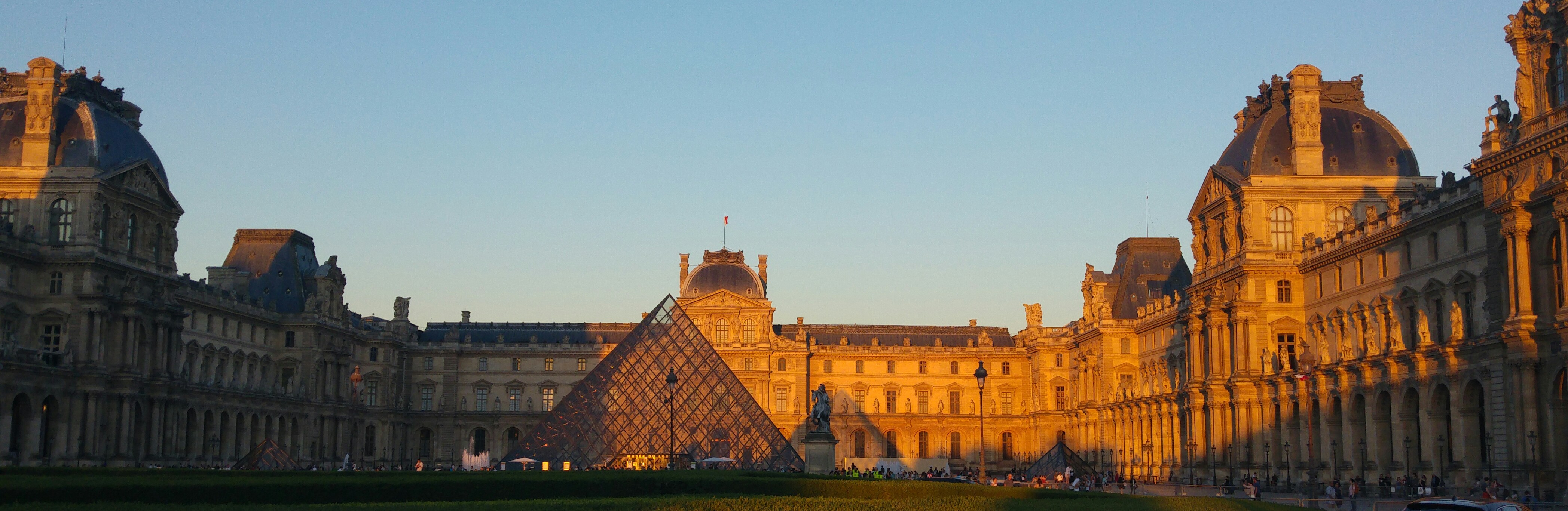 I know what you are thinking; OBVIOUSLY you will be going to the Louvre. However, you will never see everything in the louvre, so don’t try. Rather, pick two themes that interest you; Greco-Roman statues and Near Eastern pre-historic art? Tapestries and Medieval painting? Sure, you may not see every highlight, but by focusing on things you are interested in versus what you ‘should’ be seeing, you will likely enjoy it more.
 For relatively more modern pieces of art, the impressionist painting collection of d’Orsay and Orangerie are worth the visit. If you’ve ever been curious to see the ‘L’Origine du monde’ (Origin of the World), now is your chance! If you are lucky enough, there might be some performance art happening there during your visit! Both buildings are gorgeous, and worthwhile for a visit.
  Places for good eats:
  For me, nothing says going to Paris like staring at some Aegyptiaca. The big attractive Obelisk of Luxor and ornate fountains symmetrically placed at the center of Place de la Concorde, with Egyptian-styled decoration throughout the square is an interesting throwback to France’s imperial days. The site of execution of Louis XVI and Marie Antoinette, among many others. Surrounding crowds of jeering revolutionairies cramming into this space – briefly named ‘Place de la Révolution‘ during this period- is a viceral mental image of social and political upheaval to conjure.
 The museum de Cluny is full of art and artefacts from the Middle Ages, as you would expect from the name, but part of the treasure of this place is the building itself, built atop a Roman bath which you can see in the basement, the higgledy-piggledy building features of the exterior are sort of charming.
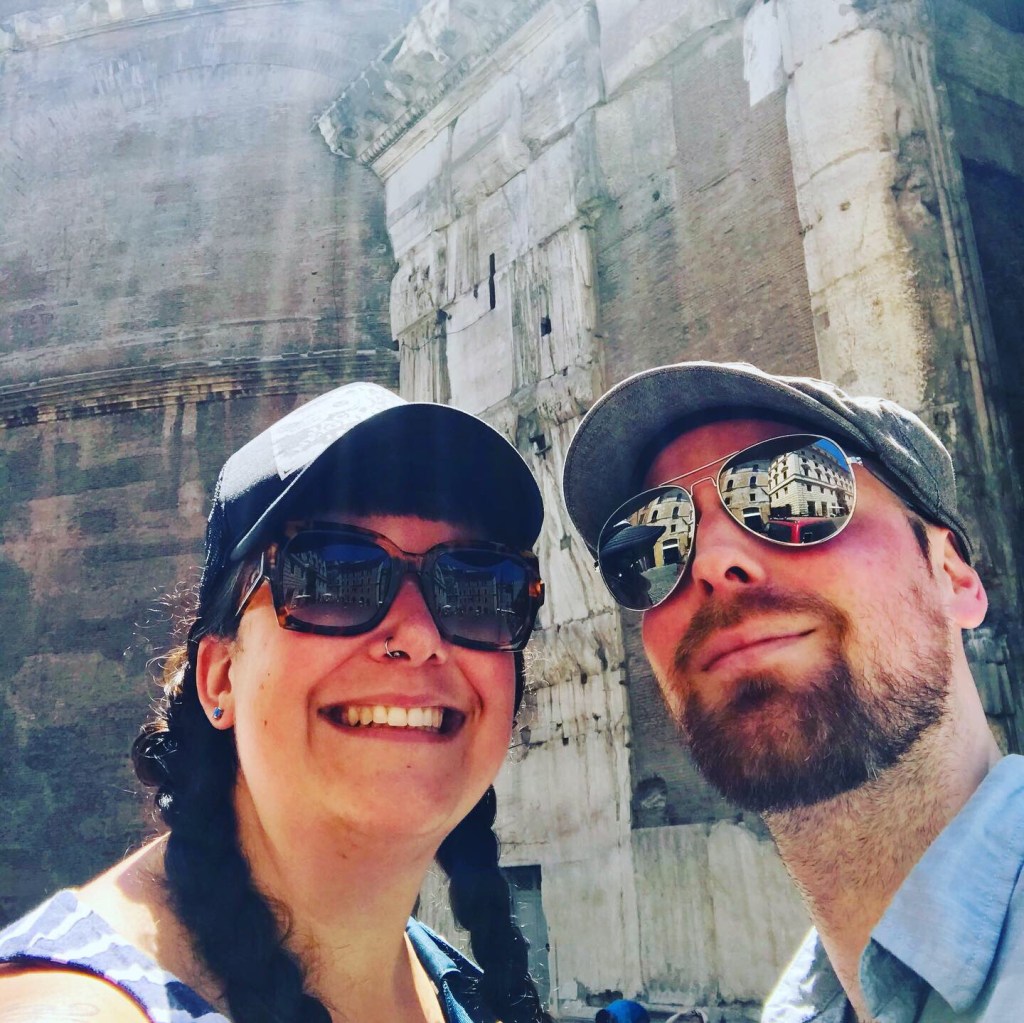
 The Pantheon feels as far away from its Roman predecessor as one could find; a monument to the civic spirit and fraternity of the famous French individuals. Once a church, a ruined abbey of Saint Genevieve, re-created by Louis XV in the mid-1700s. Interred within the Pantheon are the remains of Victor Hugo, Voltaire, Rousseau among others. There is something quite unique about such a ornate resting place for writers, philosophers and poets – secular heroes seldomly receive this type of hagiographic treatment.
 This area is great for wandering and grabbing a coffee and these sites are only 4 minutes walk from the Musée de Cluny. If nothing else, there is a famous macaron shop nearby which is worth the visit. Sweet treats near the Pantheon:
  The stairs leading up to Sacré-Cœur and the Montmartre are the devil. It is a beast to get up to the top, but don’t cheat and take the funicular. It’s good for you and will build character.
 The neighbourhood around the basilica is lovely and winding, with a large number of cafés and restaurants priced to keep the likes of me away. Atmospherically, it’s a an area with a relaxed vibe. There is often music floating around by street performers, interesting architecture and artisans with a plethora of stalls selling their paintings/prints. Stopping in at a café with a decent view, this is one of my favourite areas to sketch urban life scenes.
 Jumping on the a few metros and RER train out of town, visiting the Palace of Versailles is a pretty solid day trip. Built up from a swamp around his family’s hunting lodge, Louis XIV captured all of France’s nobility in his guilded cage of Versailles. Through elaborate specatcles to entertain them whilst there, and incredibly pedantic and restrictive court etiquette, Louis was gaslighting the French aristorcacy until they competed with eachother to help him put on his pants or use the toilet, as a sign of his favour.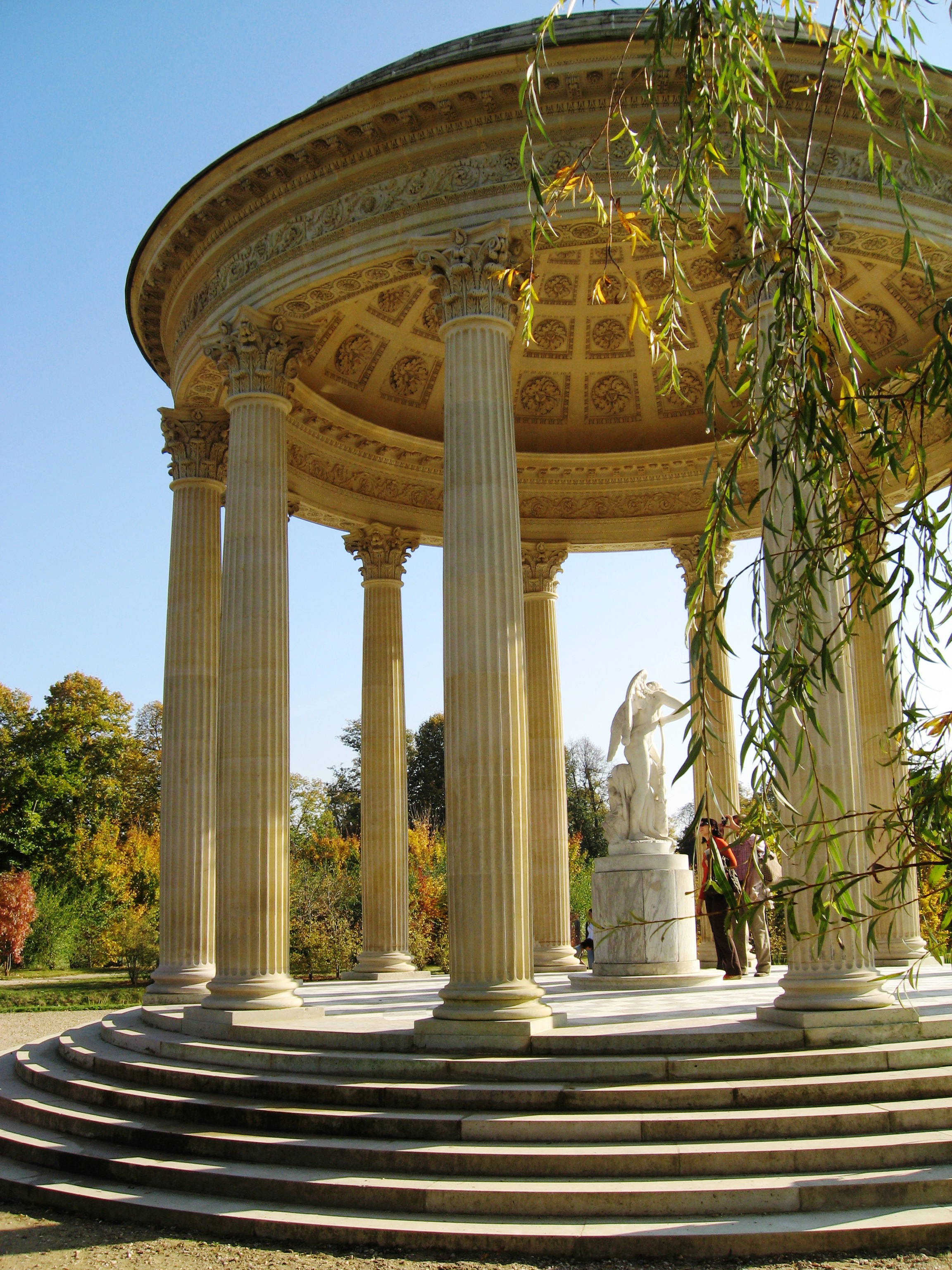
 A 40 minute ride on the RER, and you end up in the suburb of Saint-Germain-en-Lay, about 19 km west of Paris. There are nice gardens around the Château de Saint-Germain-en-Laye which house the archaeological collection, that offer a nice picnic space to nap post-Museum.


 ArchaeoArtist
You must be logged in to post a comment.