Two Friends Talk History is a podcast where public historian, Zofia, chats with scholars, archaeologists, researchers and more to explore fascinating histories, look behind the scenes and ask the big question that’s missing in much academic discourse: so what? Why is this relevant today?
New Friends on Two Friends
Carrying on from season 1 in which Zofia and Liam explored the ancient world through stories and interviews, season 2 invites new friends to Two Friends. Find me on Instagram at Two Friends Talk History and Patreon at ArchaeoArtist.
In this episode of Two Friends Talk History, host Zofia is joined by Stefano Carlo Sala, a doctoral researcher at the University of St Andrews, to explore the fascinating world of Dionysius of Halicarnassus—a Greek historian living in Rome at the dawn of the Empire. Together, they dive into how Dionysius used monuments, myth, and memory to connect early Roman history to a classical Greek past. If you’re curious about how contemporaneous historians tried to explain Rome’s rise, justify its rule over the Greek world, and shape cultural identity in an evolving political landscape, this episode is for you.🎧 Subscribe now so you don’t miss an episode! 👉🏼 You can read the BLOG POST HERE.To read his recent publication: Carlo Sala, S. (2025). Law as a catalyst and remedy for civic violence in early Rome : two examples from Dionysius of Halicarnassus, in Cahiers des études anciennes [En ligne], LXII | 2025. URL: READ HERE ONLINE.If you would like to follow Stefano, you can join him on LinkedIn or Academia.EduLinkedIn: HERE Academia.edu: HERE#twofriendstalkhistory #historypodcast #TFTH #publicoutreach #classics #anienthistory #classicspodcast #AncientHistory #Rome #Podcast #Historiography #receptionstudies #archaeoartist #classicsliterature #literature #archaeoartist To get in touch and find out more about Two Friends Talk History:Find us on Instagram & TwitterSupport us through PatreonBuy our merch on Redbubble🌍 Explore more at http://www.Archaeoartist.com🔗 If you'd like to get in touch, email at Zofia@ArchaeoArtist.com Music by the wonderfully talented Chris SharplesIllustration by Zofia Guertin
Two Friends Talk History Art
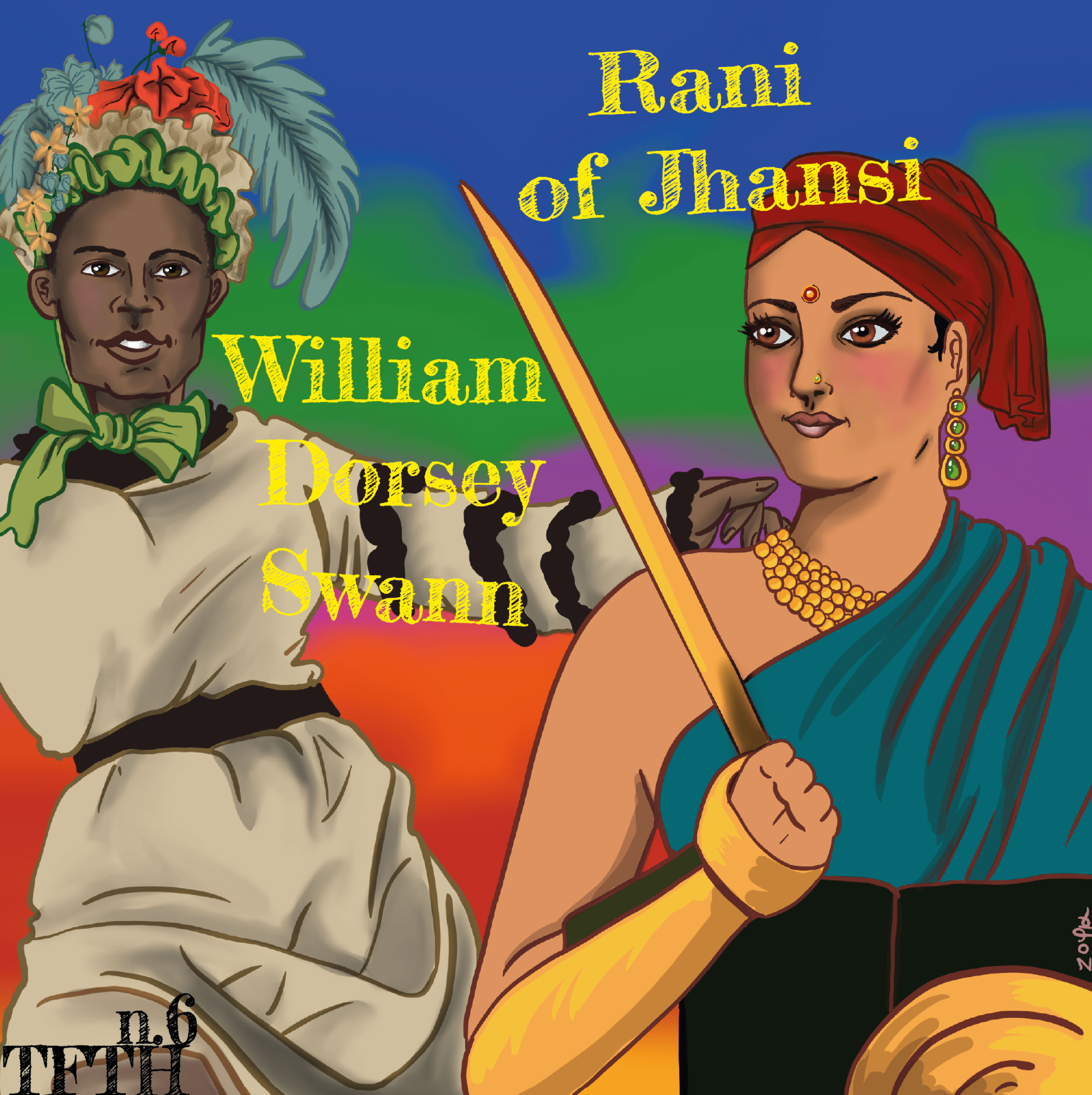
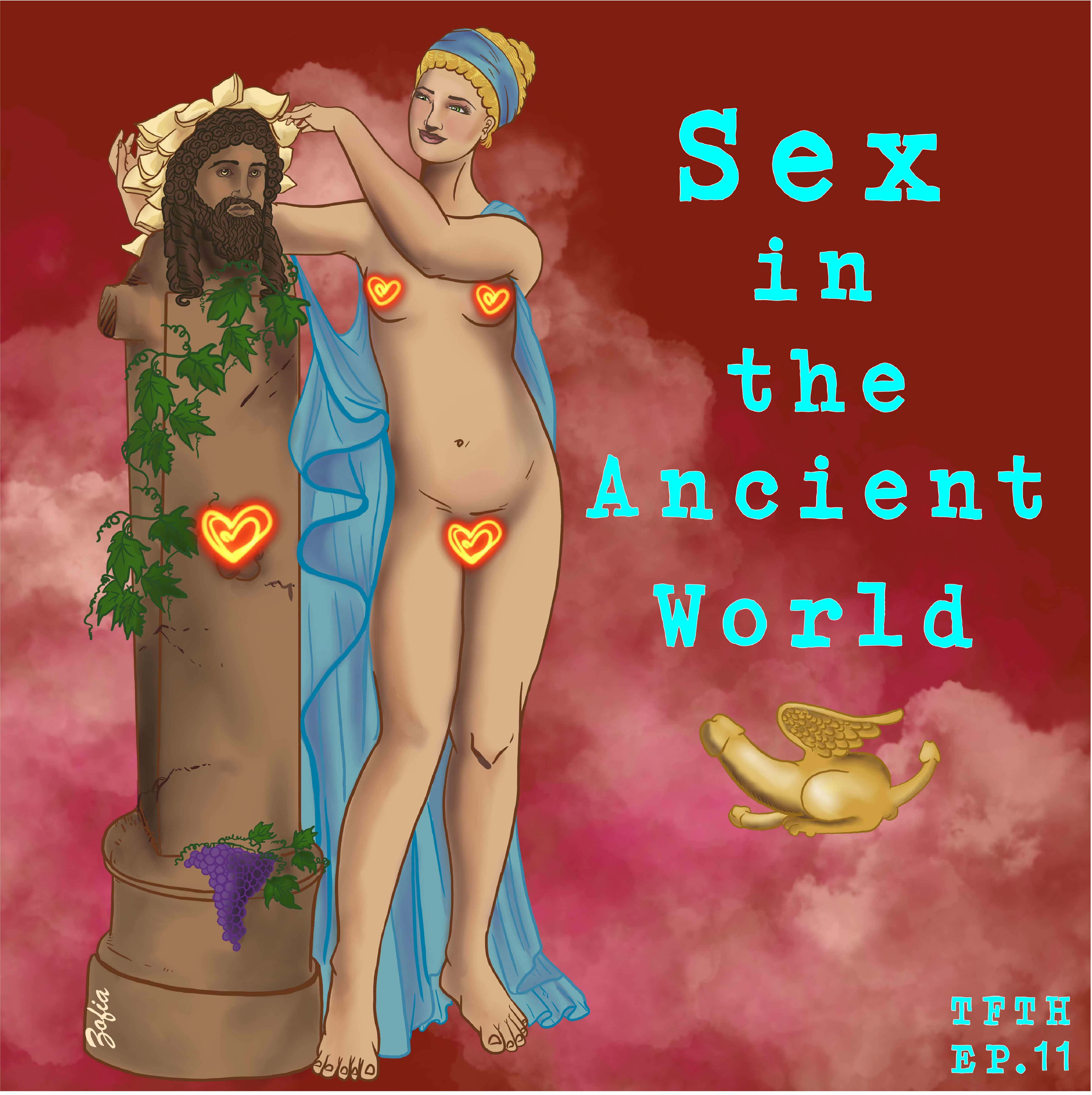
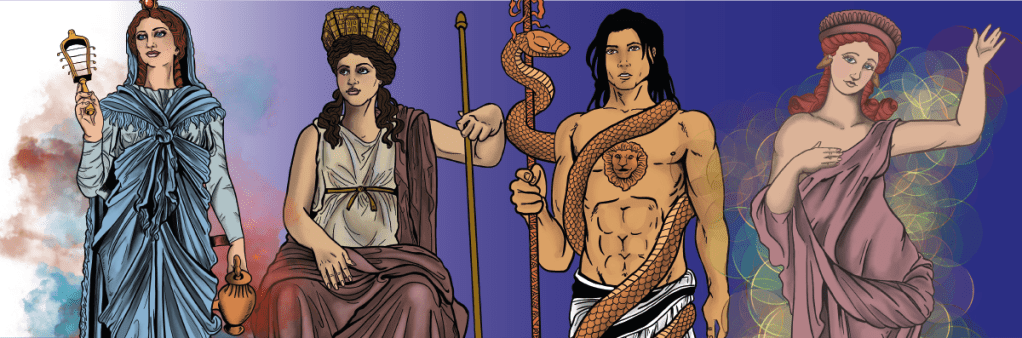
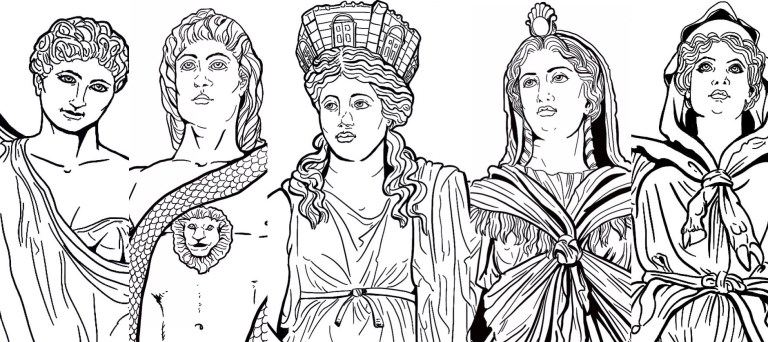
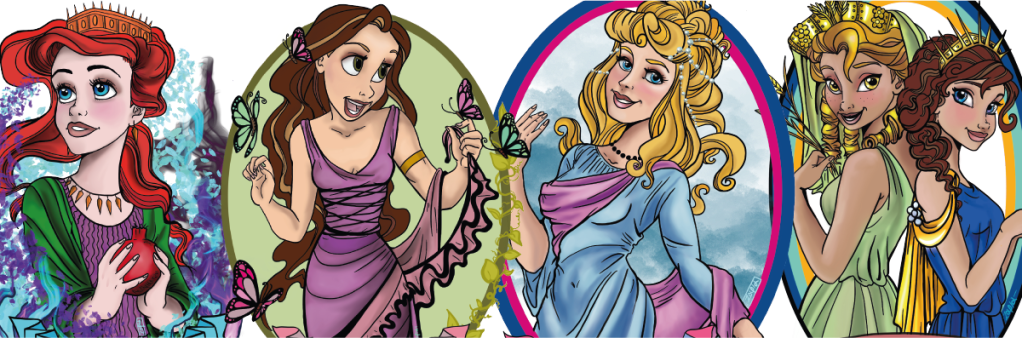
I have been challenging myself with creating the mash-ups in my own digital drawing style but, where appropriate, using the historical style the original image was made in. These episode images are available as mugs, tees and postcards on our Two Friends Talk History Redbubble Shop!
Join us on Patreon!
If you would like to support this podcast, receive behind the scenes extras, and get downloadable episode art, additional content (maps, images and related goodies), Hundred Word Histories join my PATREON. You can sign up for a monthly pledge to support the pod all for the cost of a pint! I also post to our INSTAGRAM account to accompany the episodes.
Check it out on iTunes, Spotify, Soundcloud and anywhere else you listen to your podcasts. Ratings and reviews are fundamental to gaining any visibility, so please check us out and give us a review!
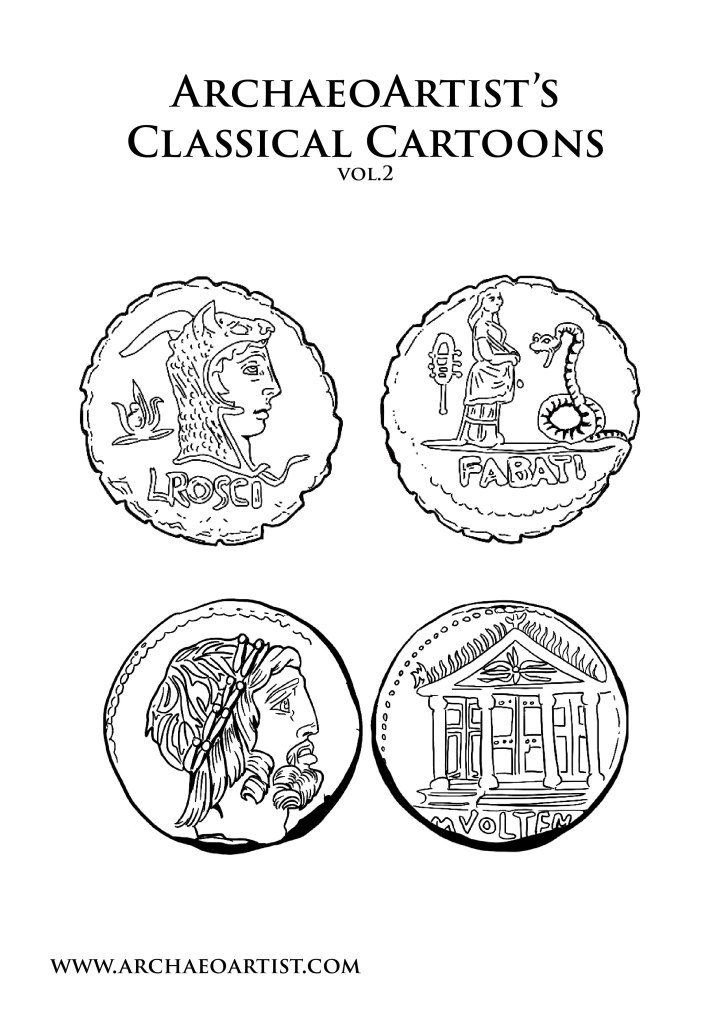
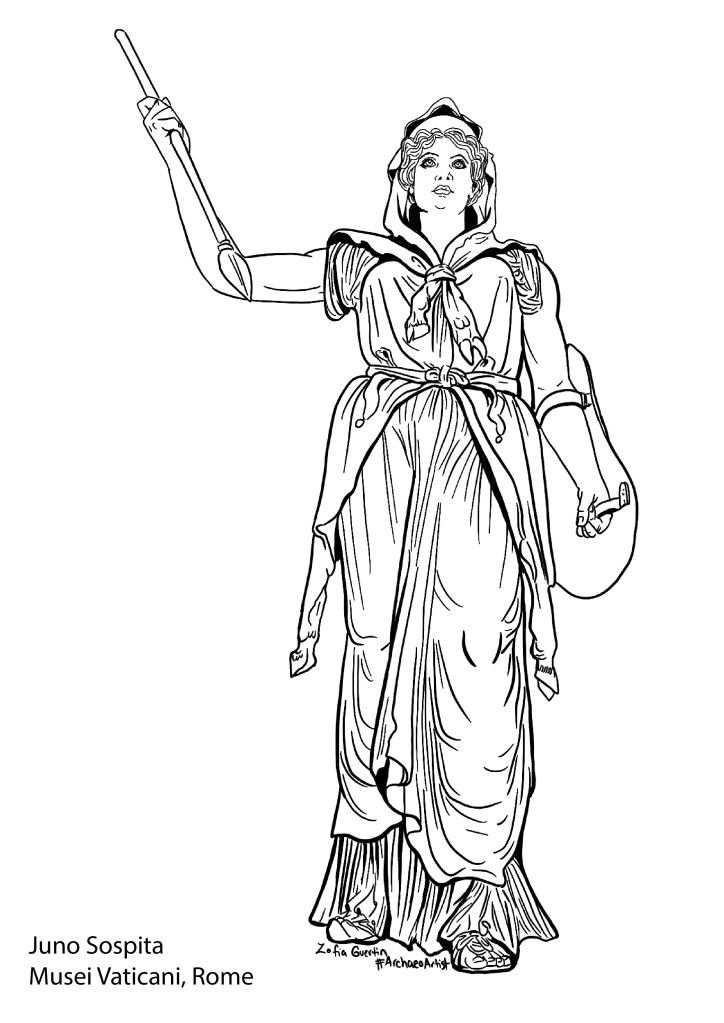
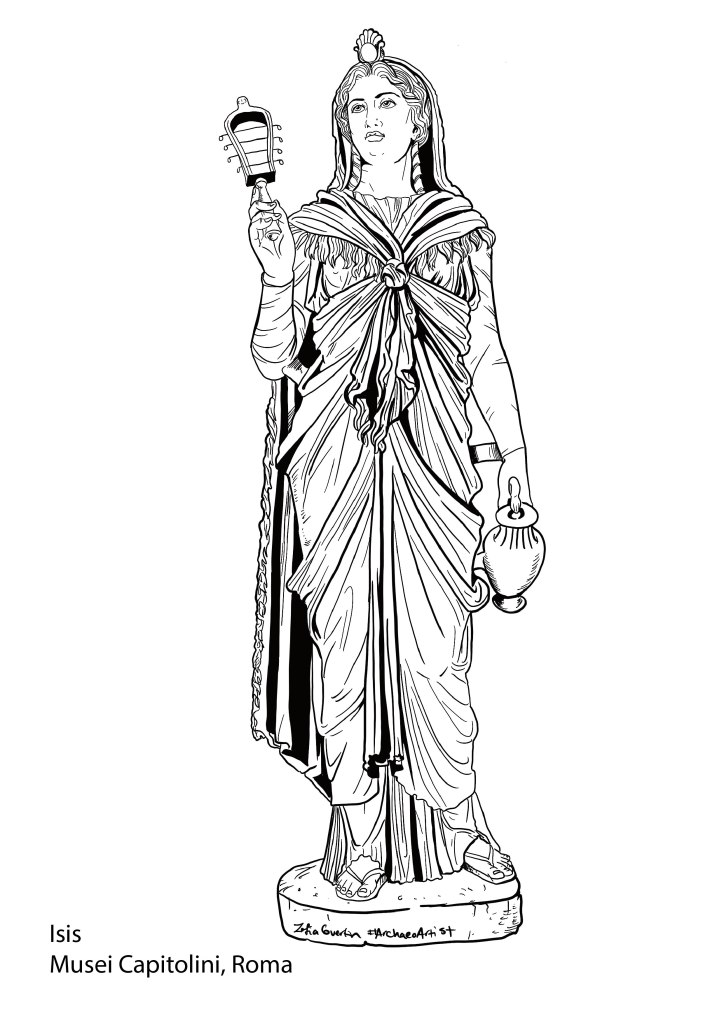
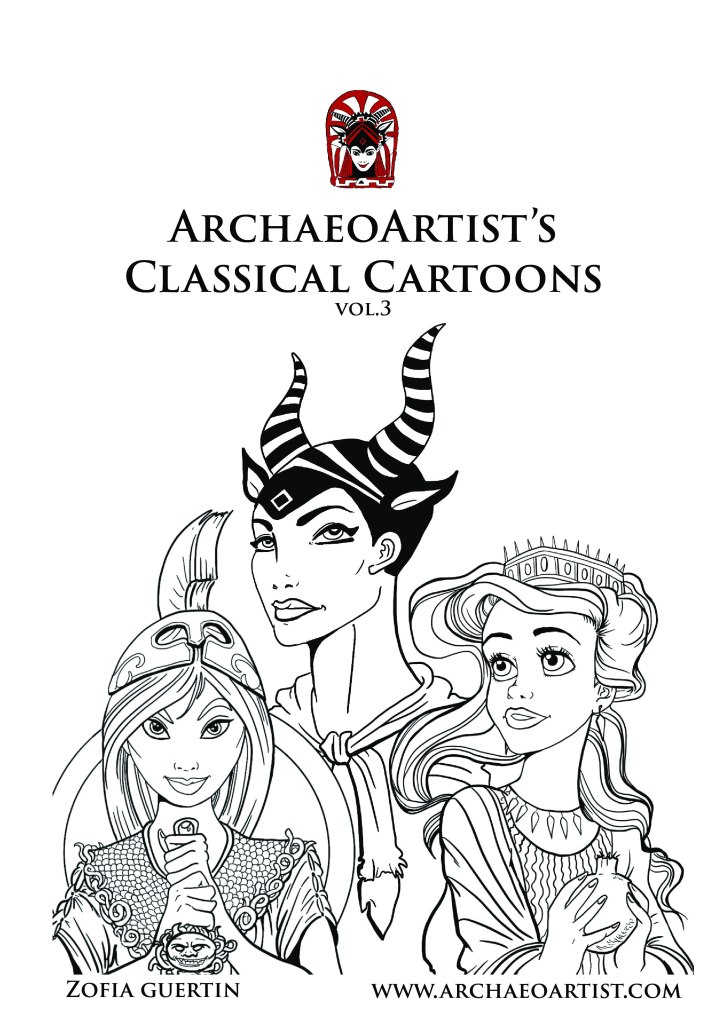
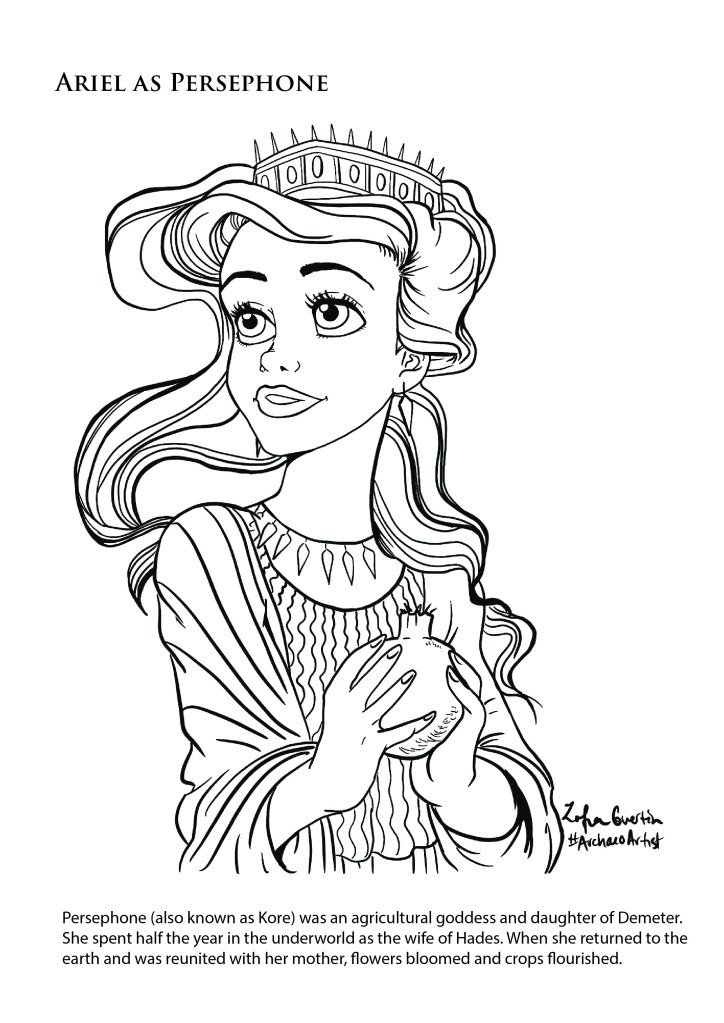
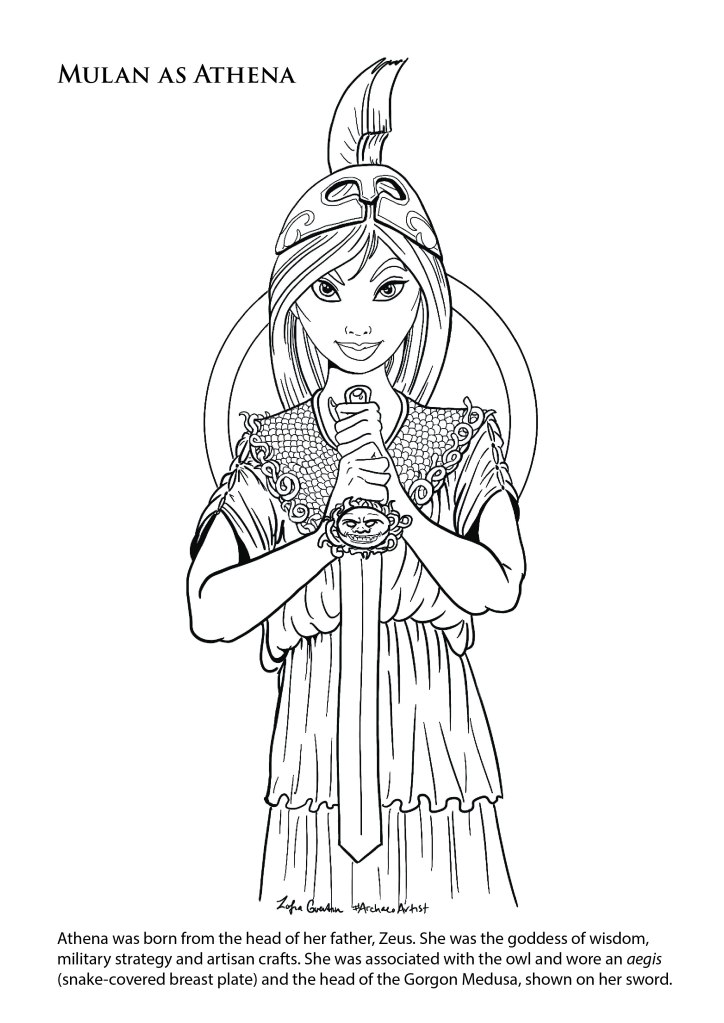
To keep my sanity and to take some art breaks during this time, I am making colouring sheets that are free to print, share and enjoy. I will be uploading printable PDFs here, and posting images to my social media pages. Since we are all staying in doors for the good of the realm/humanity, we might as well fill some of that time having some fun and learning about ancient art and archaeology!
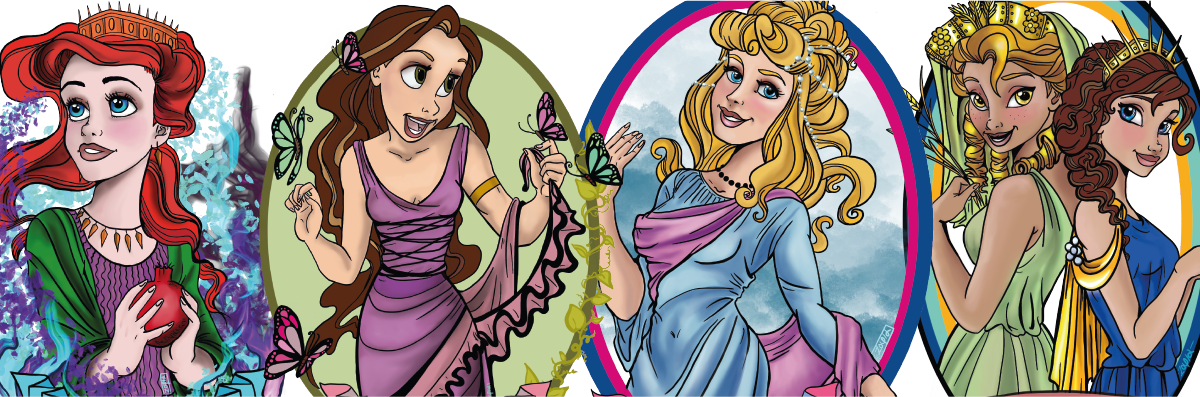
Everyone who has grown up on Disney will feel strongly about these characters and how they imagine they can or should be re-imagined. This is a bit of fun and I selected the mash-ups that made the most sense to me.
If you are an educator, practitioner or just curious about these or any of my other work, please feel free to get in touch!
With the 2019 Open Day at Roman Aeclanum, this post reflects on the last three years of public outreach development I have worked on in Passo di Mirabella, southern Italy.
Frequently, I am asked what on earth I am doing in Italy. Why all the cartoons? What’s it all for?
In 2017, I was given the opportunity to work on an excavation with the Apolline Project and the University of Edinburgh in Passo di Mirabella, Roman Aeclanum, as the Public Archaeology Coordinator. This was an new direction for my work with a lot of exciting potential. The hobbies that I naturally gravitated towards ( included travel photography and illustrating, blogging and other forms of social media) coupled with the subject matter I enjoyed (archaeology and art history) formed a useful starting point for conceptualizing how to approach outreach for an archaeological site with minimal public exposure. Over the next three years, I worked towards creating interconnected projects that were designed to start a narrative of the history of the site and began the groundwork for Vita Romana: at the baths of Aeclanum. With support from the University of Edinburgh’s History, Classics and Archaeology department and the Institute of Classical Studies, I have been fortunate to share these public archaeology activities with the wider academic community working in Classical engagement.
Public Archaeology: why does it matter?
“Public archaeology is really just public relations. It is getting the public interested enough to care and those who care interested enough to engage.”
– Dr. Jody Steele is the Heritage Programs Manager at Port Arthur Historic Site Management Authority.
The role of public archaeology, within the umbrella of specialisms of archaeology, is finding relevant and interesting ways of communicating the research objectives and material remains of the site. The sub-discipline is still new, and as such, still strives to justify itself and the importance of the work. Future funders, archaeologists, politicians and so on learn about the importance of heritage as children in most cases and as such, continuing to hone and develop how we deliver these messages about the importance of heritage management and research is fundamental to its continuation. With no exaggeration, if people are not engaged and well-informed about the importance of archaeology, it simply won’t happen nor will it receive funding.
Running a public archaeology programme or project requires marketing and public relations work, it also is heavily reliant upon the skills, expertise and historical knowledge of the individuals behind the work. By focusing first on the relationships within the local community then translating those interactions and efforts more broadly, we managed to do some pretty cool and unique things!
Outreach materials are useful in a variety of contexts! This year, site specialists gave informal seminars to dig students, making use of the boards that we’ve used at previous open days!
These ideas were articulated by our site supervisors this summer in a video made by one of our student volunteers, Jazz Demetrioff. The research objectives set at the onset of the excavation shape the direction the excavation and thus outreach will take. The research questions are answered over the season through the material culture and structures discovered. I have spent a significant amount of time thinking about and trying to articulate why public engagement matters, and how the projects I have had the fortune of working on in Italy are helping me plan future outreach projects.
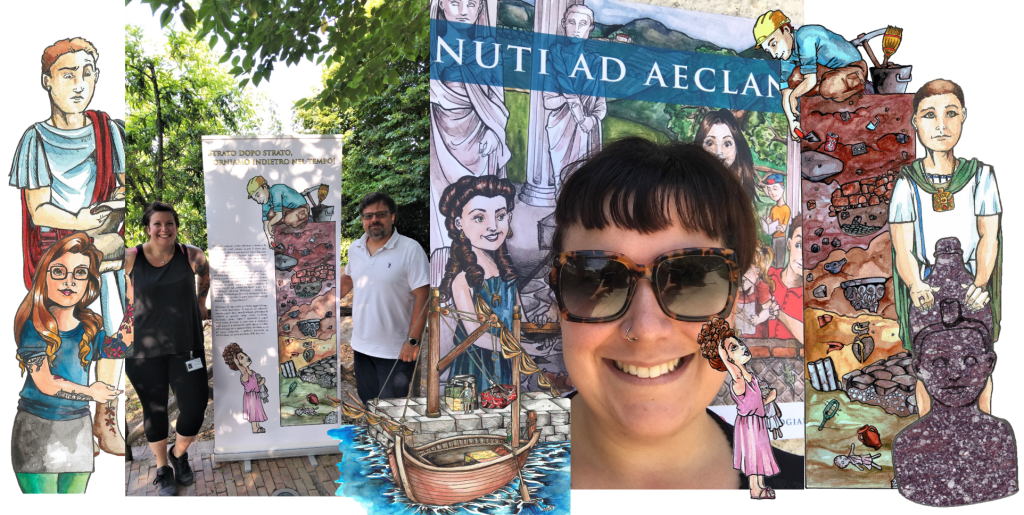
The progress of inking, watercolour then handing over to Josef to embed the real marble colours! These marble trading characters may or may not be based on Chris and I 😉
Public Archaeology in Aeclanum: 2017-2019
Archaeology Passport covers: 2017, 2018, 2019
First Year: 2017
The formative work with the archaeological site of Aeclanum was a mixture of reconnaissance and coming up with a cohesive set of materials we could begin presenting to the local community. When we arrived there was one pamphlet in Italian with very technical (scarce) archaeological maps, and no site signage or historical narrative for the site. The first steps, then, meant creating some basic materials for young visitors!
Second Year: 2018
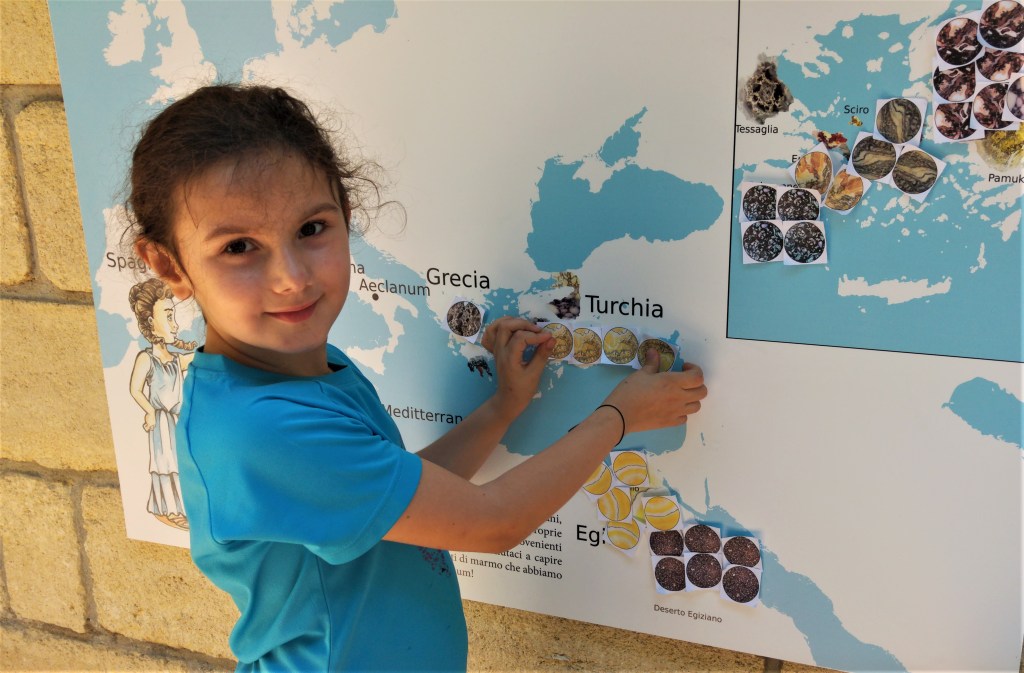
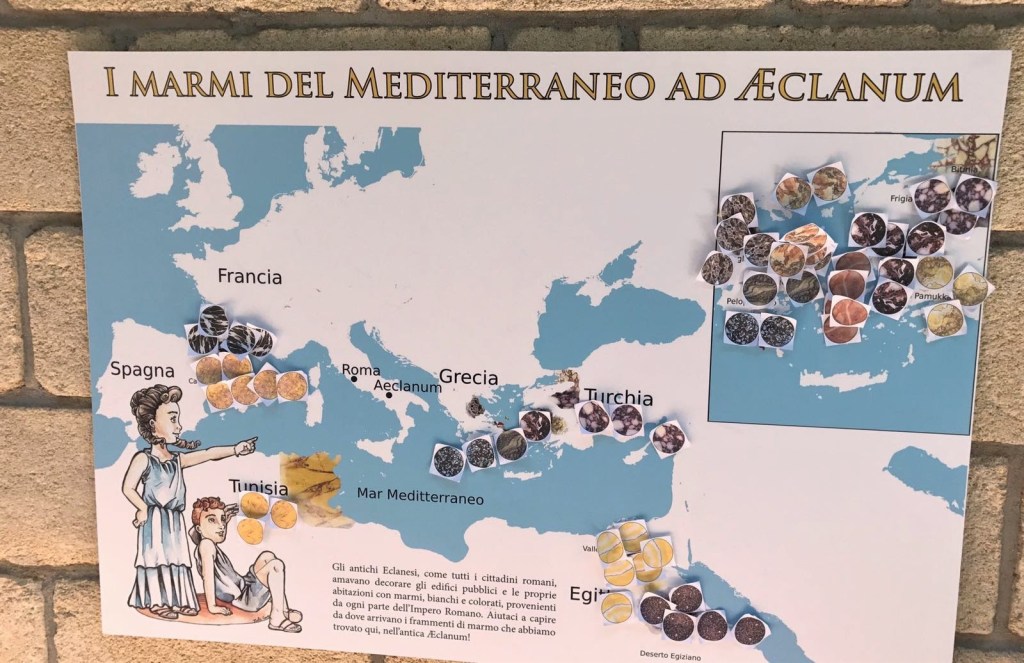
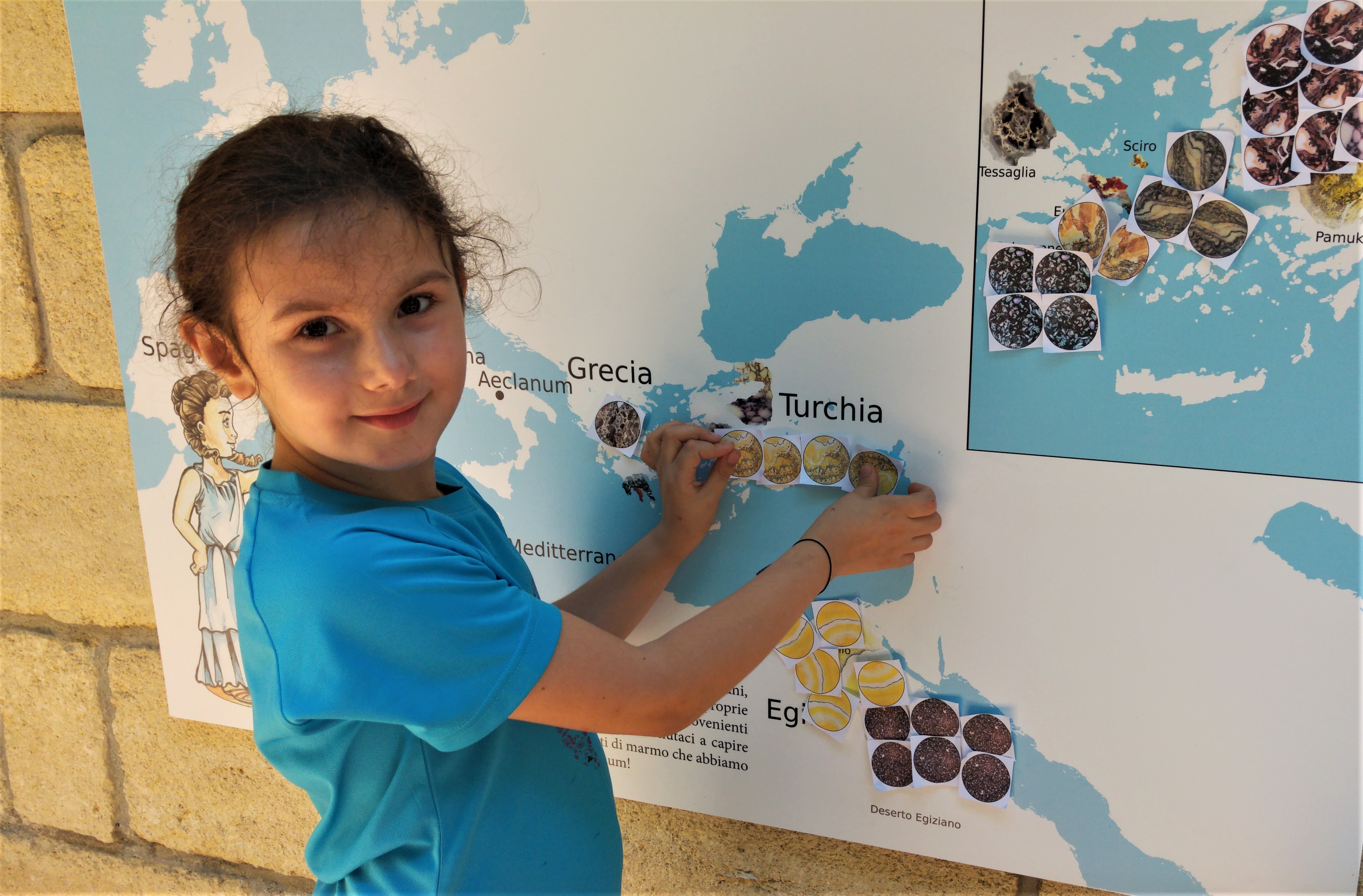
We produced outreach materials that focused on the multi-phase bath complex and the role of public bathing in Roman daily life. This included posters for adult audiences and young visitors to the site which reflected the finds that were excavated in earlier campaigns and the current research. A particular favorite was the marble map game, which encouraged kids to explore where the marble in Aeclanum came from! We updated the game in 2018 to include further details like marble traders across the Mediterranean!
Neratia’s Lost Ring: at the baths of Aeclanum
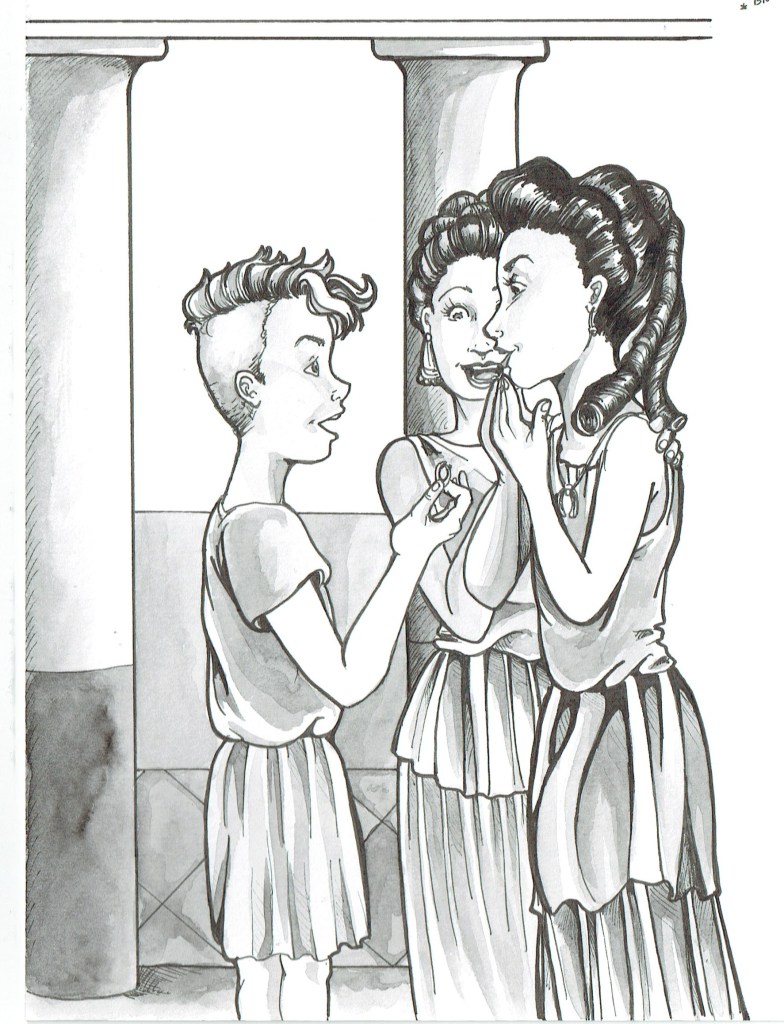
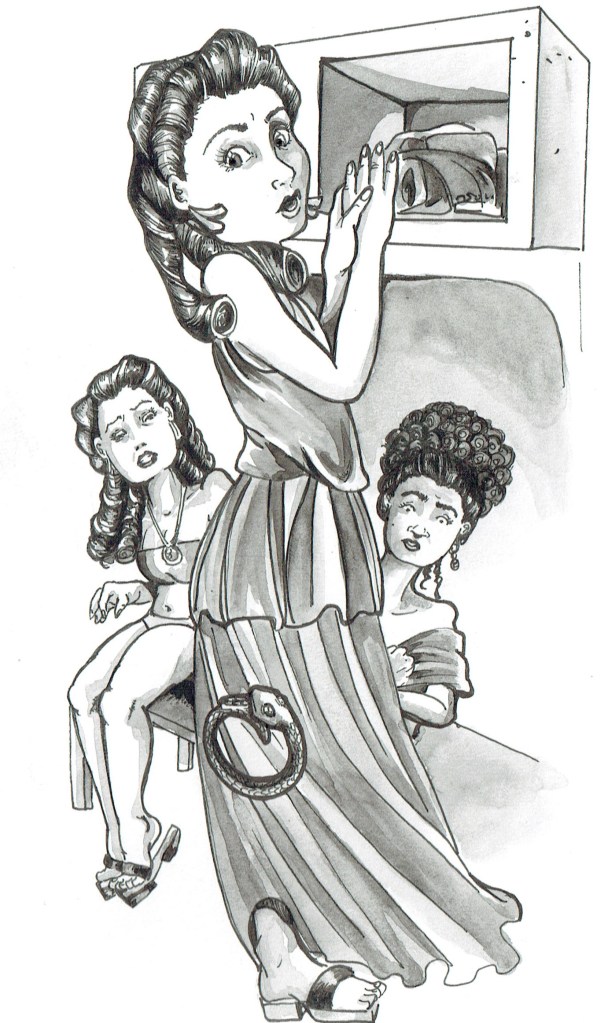
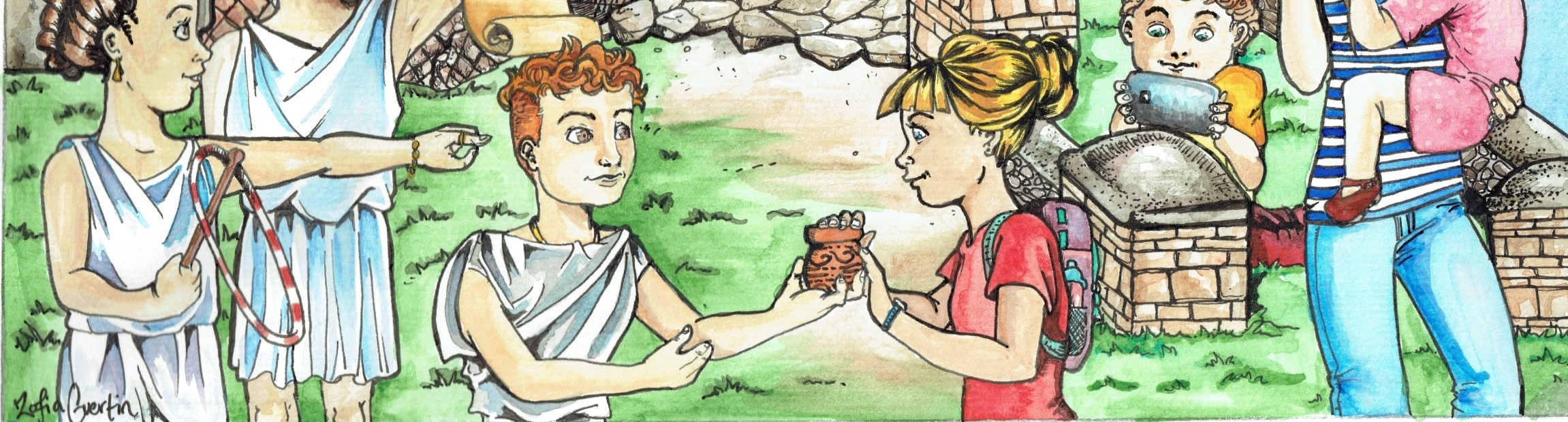
Emily Johnston, an excavation supervisor, worked on a public outreach project with the Apolline Project for 2018, Neratia’s Lost Ring: at the baths of Aeclanum. This exploration of Roman baths in a short-story format, allows the reader to get to know the space and customs as experienced by Neratia (wealthy patrician’s daughter) and Caius (freedman’s son). As the narrative follows the youths trying to find Neratia’s missing ring, the mechanics of the bath complex are explained. I supplied a few illustrations for her story, which were linked into the graphic novella! We are hoping to launch this short story for winter, 2019.
Caius finds the ring!
Quick! Catch the ring!
Neratia drops the ring her father gave her.
The graphic specialists on site, Lucia Michielin and Josef Souček, worked with me across almost every peice of art that was used for outreach. Their talents were widely appreciated, like finding a pretty rock but not realizing it was a gem till it was polished. Their skills with creating scientific panels based on the research, articulating the architectural findings and included 3D reconstructions of the significant archaeological structures reconstructions were essential to my comic renderings for Vita Romana: at the baths of Aeclanum. Due to the topography of Aeclanum, the bath excavated bath complex straddles a sloping hill and as such has distinctive buttresses, which when digitally rendered, provided helpful insight on how to include the city scenes around it.
Views of Aeclanum: bath complex, forum and theatre, temple and portico
Third Year: 2019
With the first two phases of outreach work at Aeclanum complete (panels, the short story, scavenger hunt and educational games), the next phase I was most interested to explore was getting feedback from the community and channeling this into a project that could capitalize on the knowledge of the team of specialists on-site and include up-to-date site interpretations, woven within the comic narrative. By concluding the 2018 outreach season with a survey and vote by the children from the local community who decided which style I would be drawing the comic in, I had my marching orders to get to work on the comic!
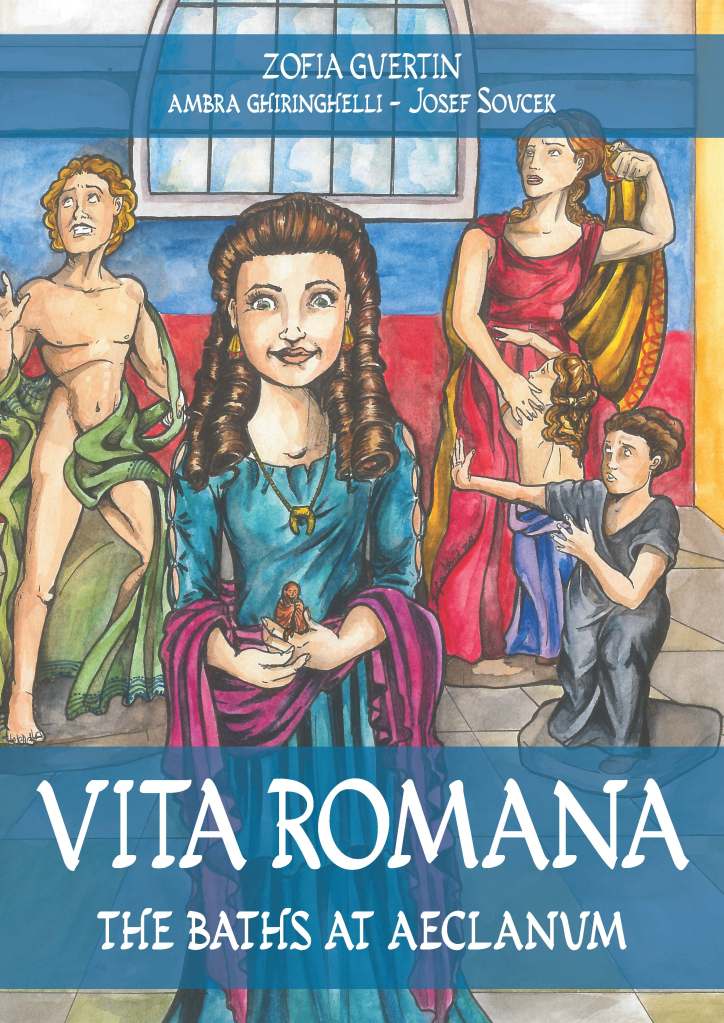
With Vita Romana, I wanted something that might help spark imaginations about how big and interesting this city was during its heyday through a stand-alone story, but grounding it in the real-world buildings and materials of Aeclanum. Also, I had never completed a comic book before and this was a challenge I wanted to dive into!
Vita Romana: at the baths of Aeclanum
Getting the gang together remotely meant that there was revisions and frequent dialogue. Ambra Ghiringhelli was like a fish to water getting the text written with care and historical consideration! Using an a-typical approach of having the storyboard roughed out and the text done afterwards, it was fascinating to see what joke she would come up with to match one of Neratia’s smirking faces or the right tone for a teenage daughter giving her mom some sass.
As this was my third year working with Josef, I couldn’t be more grateful for his ongoing collaboration. With his eye for details and in-depth knowledge of the subject matter, I could rely on him spotting all sorts of tiny details (and errors) that improved the whole project immensely. All of the images were sent to him to do his digital magic, fixes and formatting. You would be surprised how much work goes into making a comic look like a comic.
There are always many changes from start to finish!The polished final English version.
The breadth of things to consider when trying to create a graphic novella attempting to be rooted in archaeological and historical accuracy is astounding. This project has taken me on some really exciting turns which inevitably has meant that I am always learning, always questioning and trying to find evidence for the scenes I am creating.
The majority of influential imagery or material culture references were derived from the collections at the Museo Nazionale, Naples and the frescoes contained in the archaeological parks of Pompeii and Herculaneum. Social media outreach for these sites has been invaluable! With new discoveries coming all the time from Pompeii all the time, by following their Twitter and Instagram, I was able to integrate some of these exciting new finds into Vita Romana. Though Pompeii was covered by Vesuvius by the time our story in Aeclanum would have taken place, the tastes and styles used in decorating homes in these cities could easily be replicated by artisans in communities like Aeclanum. Indeed, the riches of Aeclanum could be much more akin to those at Pompeii due to their size and places along the road networks.
Rewards for completing the scavenger hunt!
Proud parents 😀
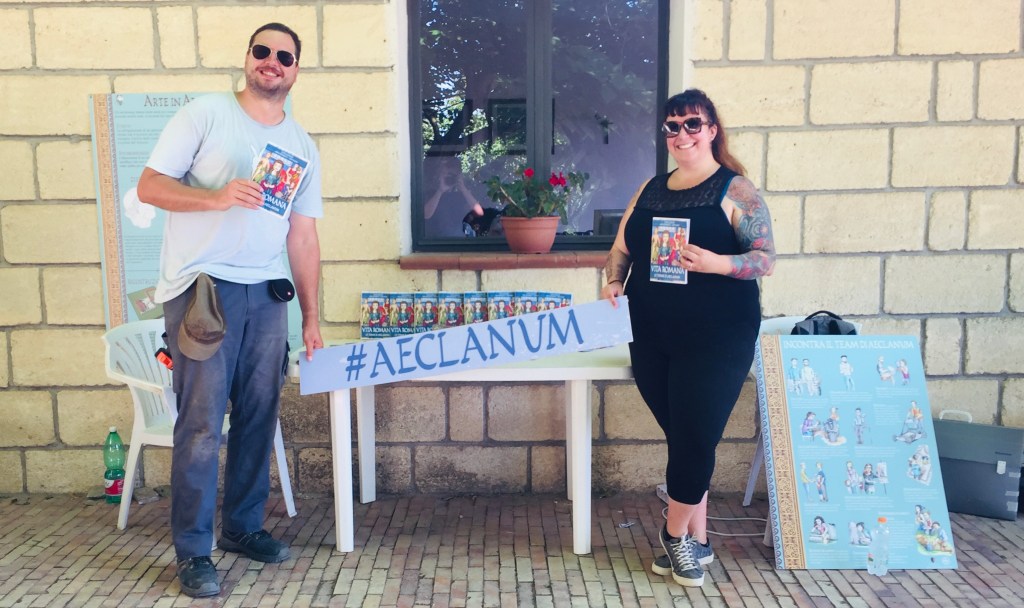
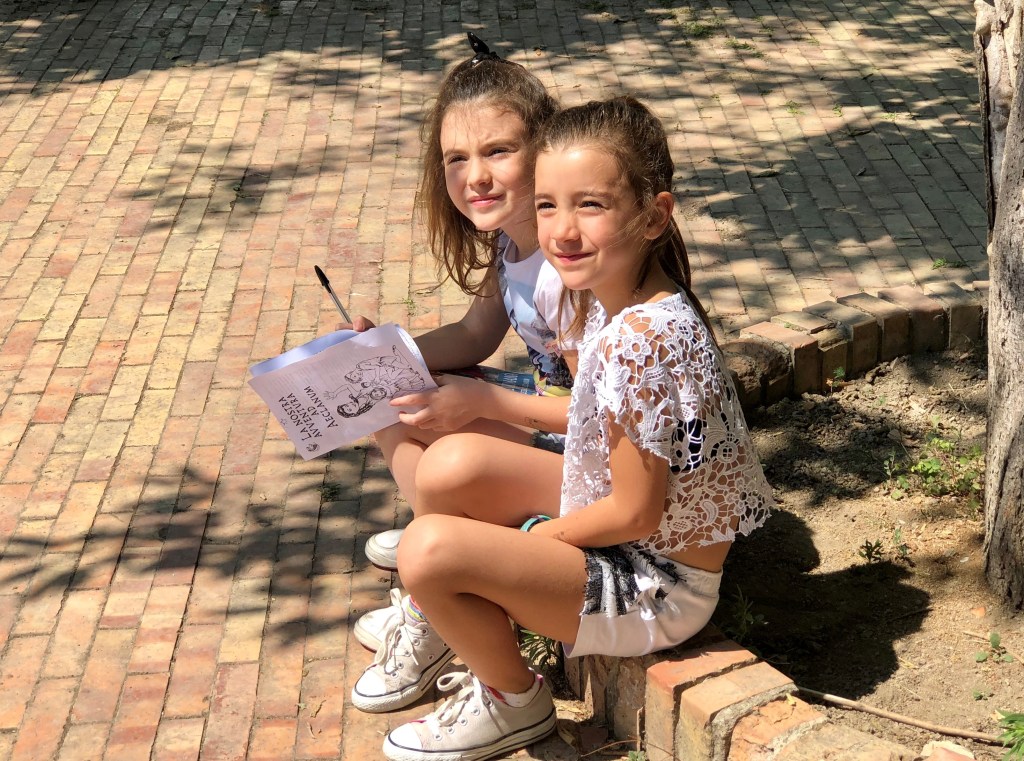
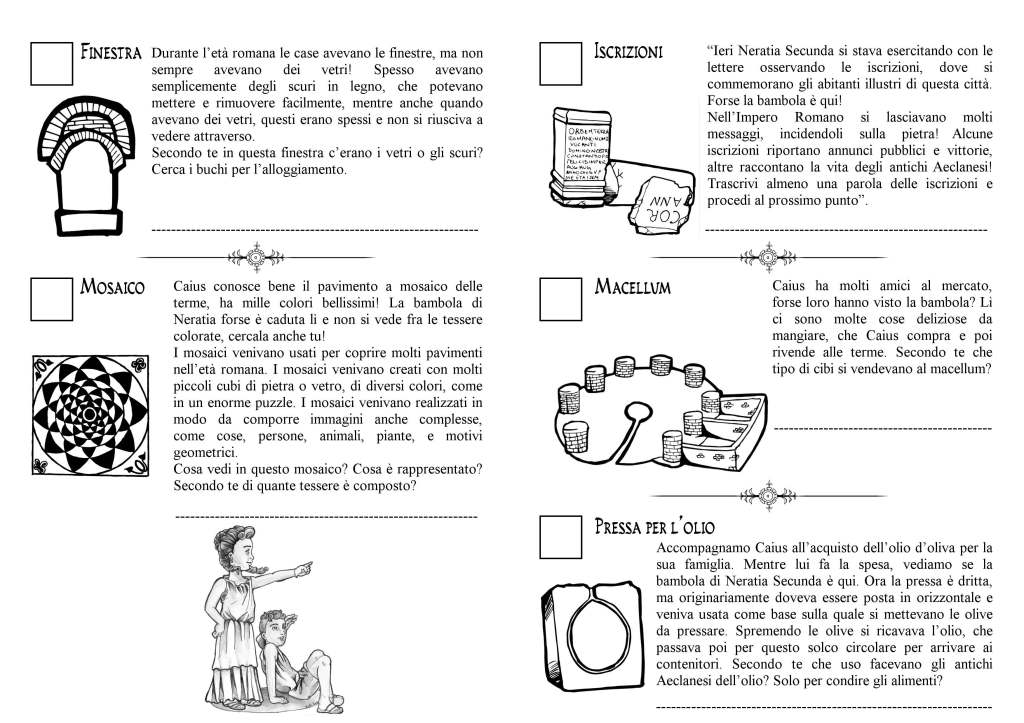
We had a great turn out this July at the comic launch, with hundreds of people visiting the archaeological park! The children’s scavenger hunt activity led them around the site using our third version (a self-directed version) of the archaeological passport as their guide. With Ferdinando crafting the texts and dealing with the translation needs, these materials will hopefully get English versions for download on Archaeokids!
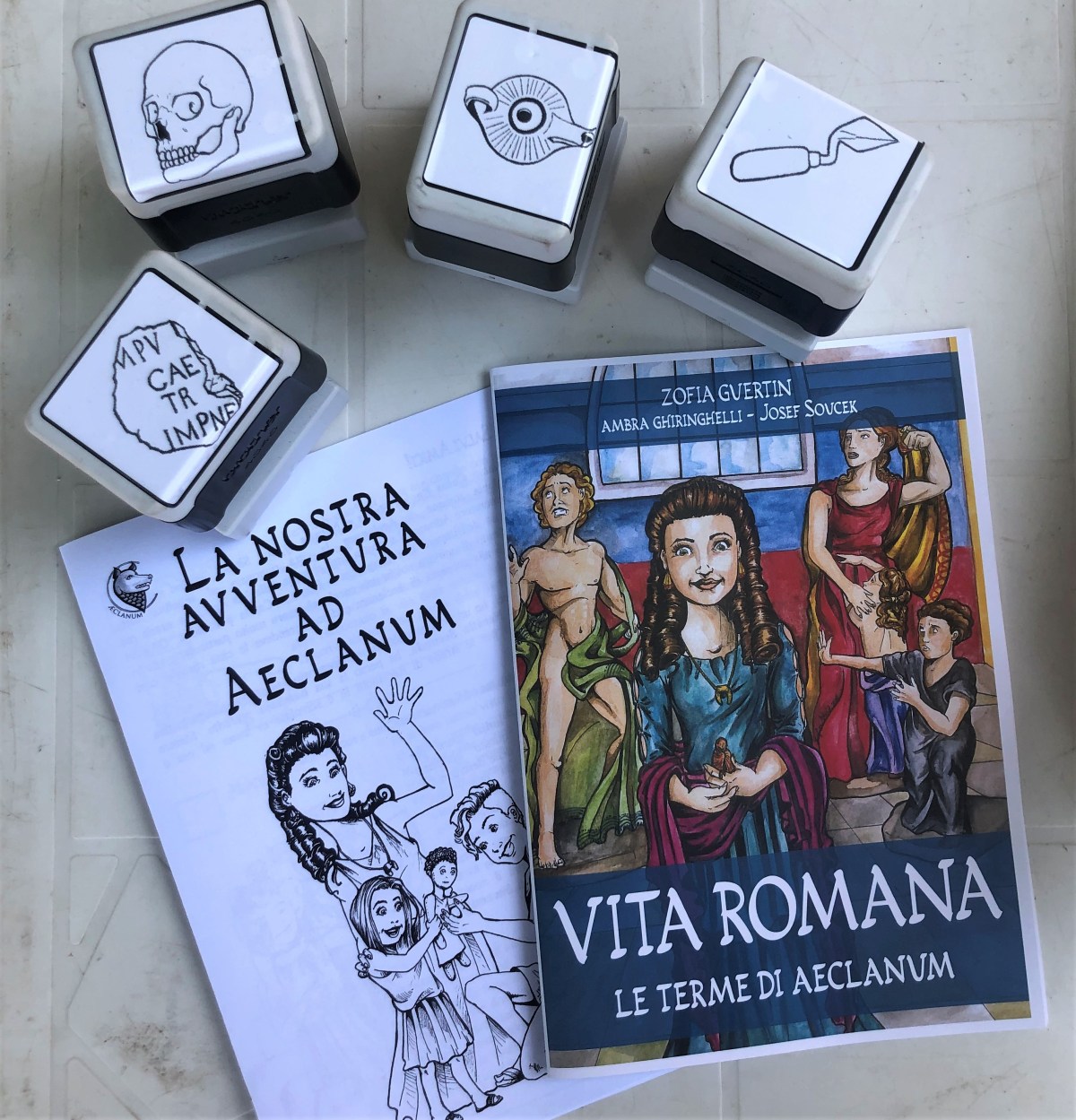
They were asked to find the significant landmarks on the site with general information about their use, and fill out a letter which would lead them to the office piazza that contained the lost doll of Neratia Secunda, completing the narrative in the real world which is introduced in the passport. Once the children completed their scavenger hunt, they received a copy of Vita Romana: at the baths of Aeclanum, whose printing was generously funded by the Institute of Classics Studies (ICS).
The Road Ahead & Archaeokids.com
Seeing this stage of the journey come to a successful conclusion was pretty amazing. I’ve worked with some amazing people and had an incredible opportunity to have so much freedom to explore the ancient world in my favourite medium. The next steps ahead will involve working with the data collected from the launch, and an article which will be interesting to write this winter.
Josef, me and Ferdinando at the launch day in Passo di Mirabella.
As always, I look forward to challenges and adventures ahead! Ferdinando and I are continuing to find new avenues to create and highlight the public archaeology work that started in Aeclanum and is expanding to other sites!
The last 12 months have been eventful, with a lot of incredibly life-changing things on the horizon to look forward to. Last week I officially starting my PhD at the University of St. Andrews, and with the other interesting creative academic projects that have come my way, it is a very exciting time. Most of these creative projects have stemmed from the work which I was engaged in this summer in Aeclanum. Over the summer, I shared many images on my Instagram and Facebook pages of the public archaeology project that I was working on this season in the Roman town of Aeclanum (near modern Mirabella Eclano, Italy). I wrote a post in July for the Day of Archaeology annual community outreach publication, discussing some of the surprises and challenges along the way. The aims and plans being developed for this site were fascinating to work on, with much to consider and research.
Caius Eggius Rufus and Neratia Prima, our ancient Roman characters who explore daily life in a Roman city.
For me as an illustrator/artist, coming up with the first crack of public engagement materials was really fun and incredibly rewarding. The directors at Aeclanum, Dr. Ben Russell and Dr. Girolamo Ferdinando De Simone, offered guidance into their objectives and vision with the programme. Foundational research was needed, and for me, many visual references, as understanding how to approach a long-term project like this requires a lot of discussion.
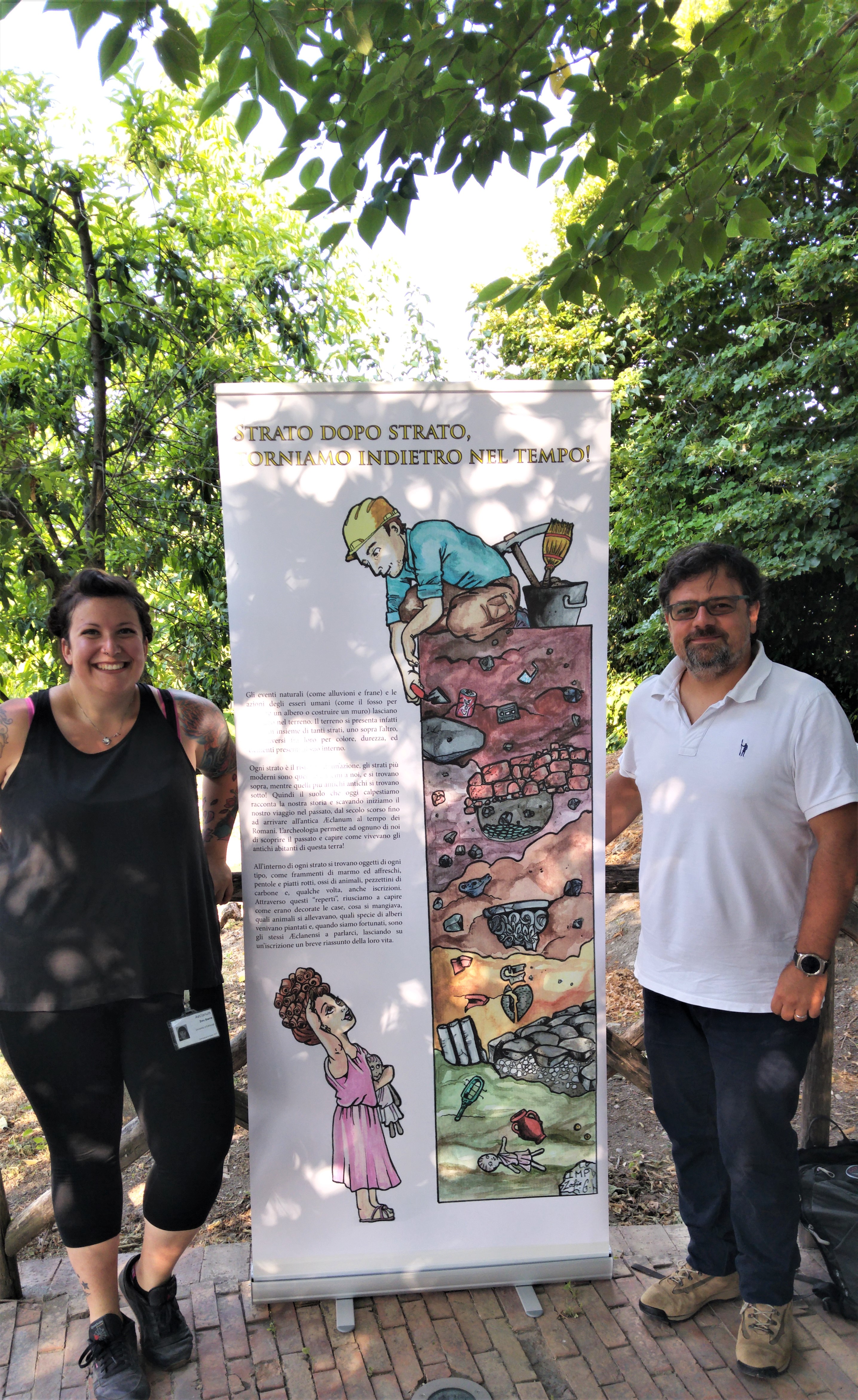
Dr. Girolamo Ferdinando De Simone and I with the stratigraphy roll-up 🙂
Dr. De Simone had spent a lot of time developing the approach he wanted to take, with significant experience for how to engage with the public on these topics, so I was able to learn a great deal about the concerns and approaches that are successful. All of which has led to many avenues for it to continue growing and branching out next year, and thereafter.
Preparation for the Open Day
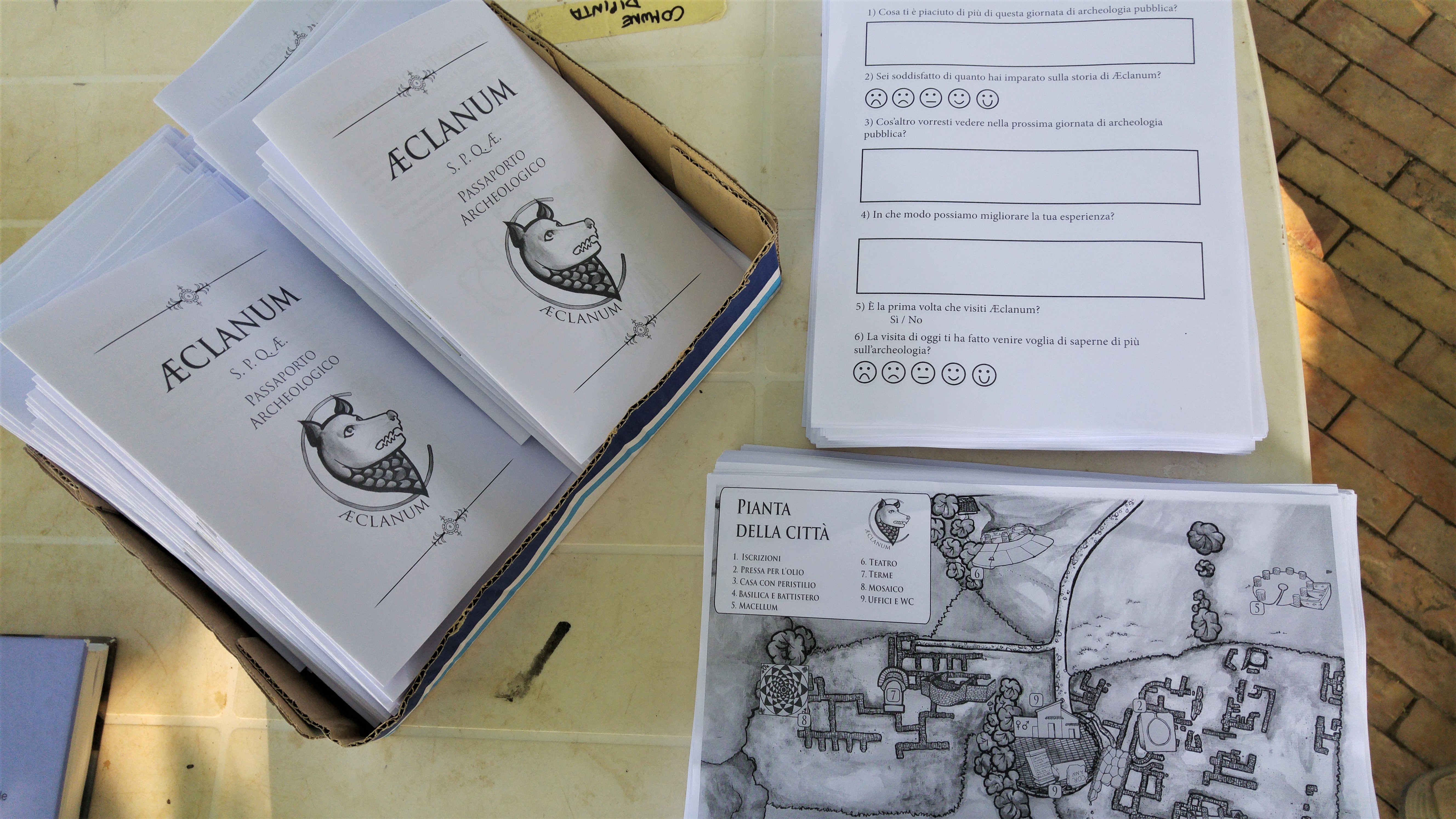
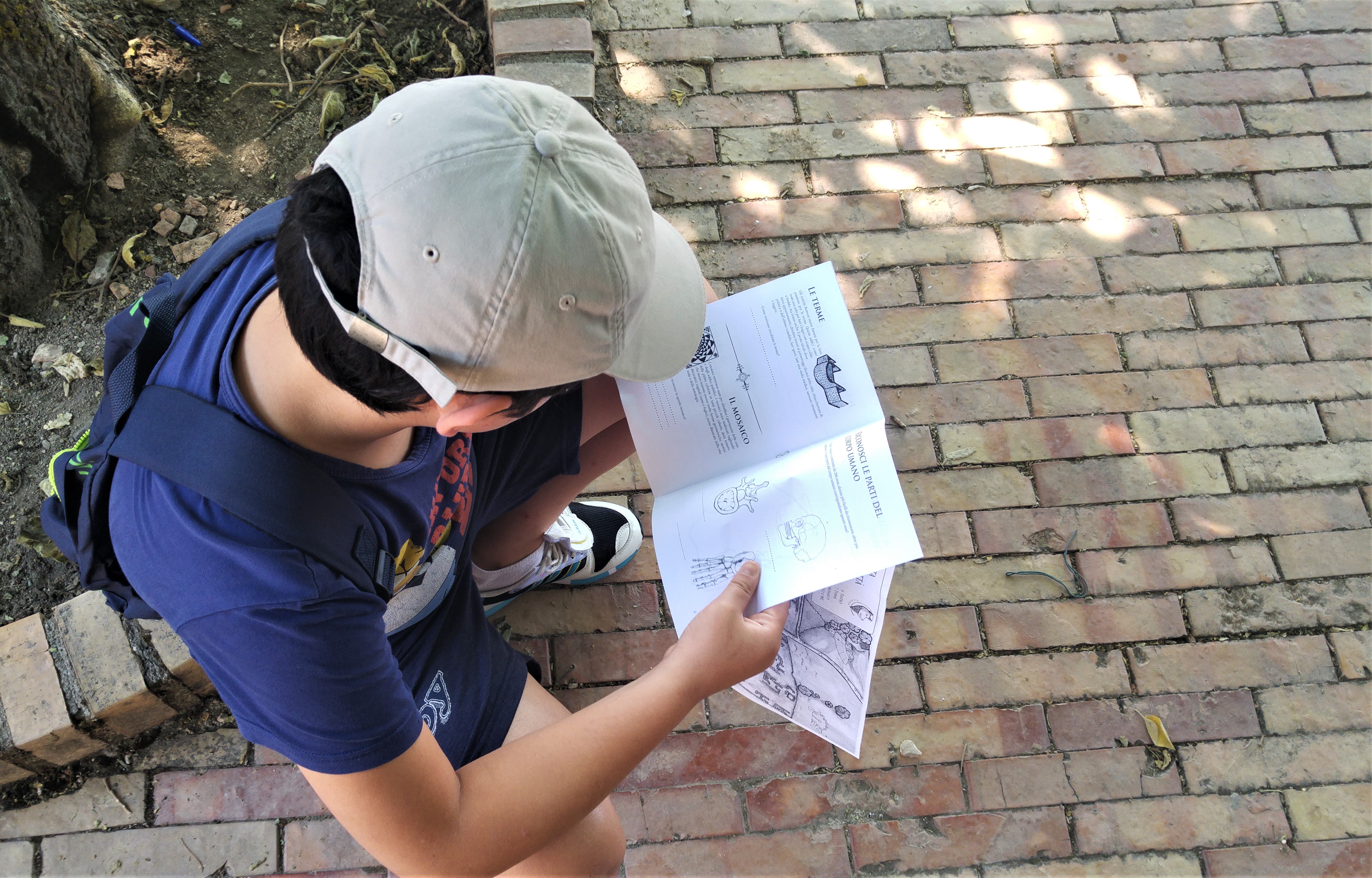
The brand new Aeclanum activity book and site map!
With a big project like this, having students involved was essential. Due to time constraints (excavating and processing finds all day), most of the work we would do together was at night in the accommodations. The students worked very hard, and came up with some really great ideas (pottery games, stratigraphy exercise, etc) and a lot of good research on Roman baths and roads.
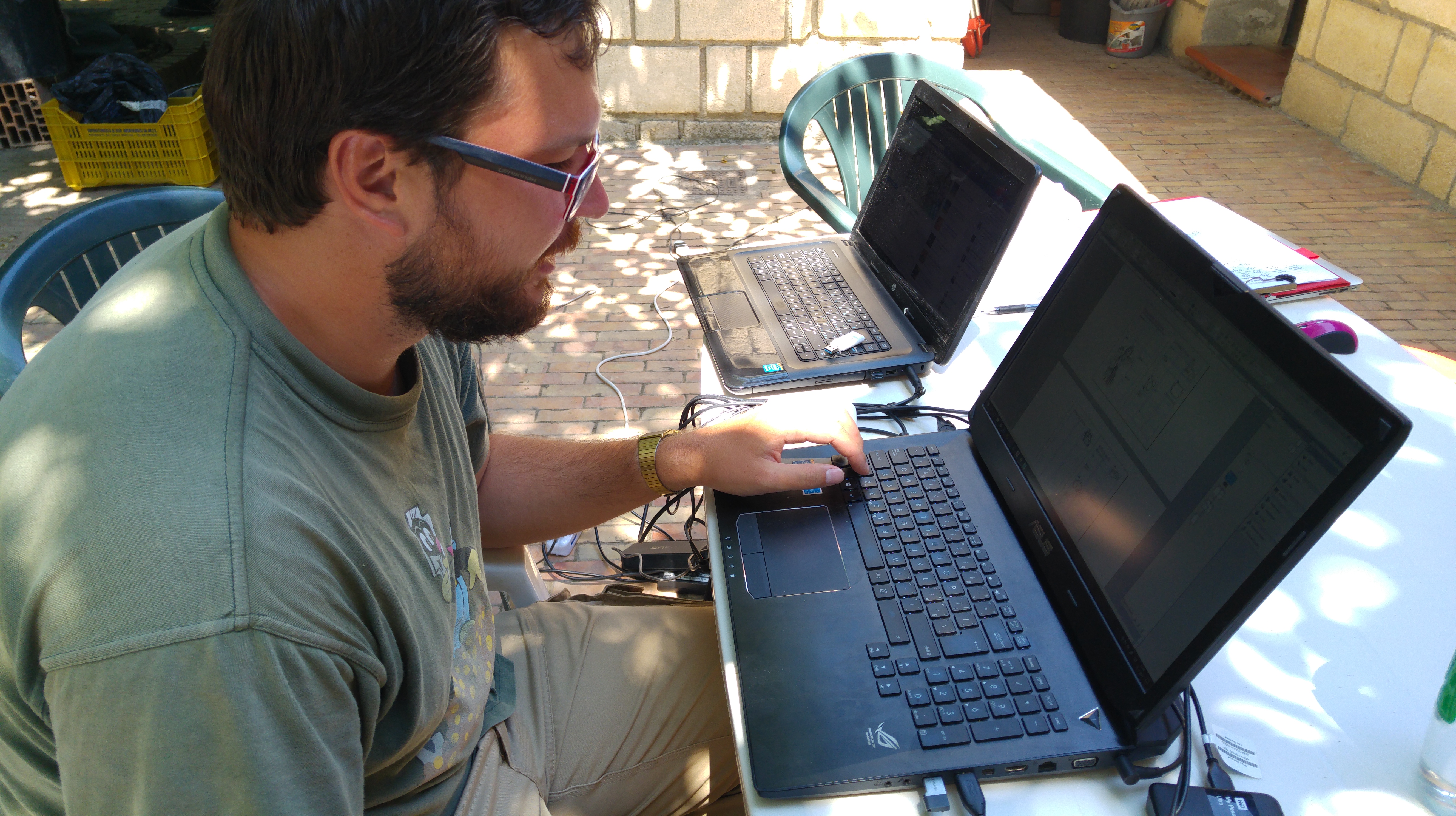
Josef Soucek, digital wizard, here working on the Aeclanum activity book
We were ambitious with the variety and number of activities and materials planned, which inevitably led to some ideas or planned activities being cut or re-configured. Some of the most indispensable collaboration was with the digital specialists, Lucia and Josef. Both are so incredibly talented in a variety of platforms, that for me, it was so exciting to work with them. Taking an idea from discussion to illustration to digitized form, and then adding that into a poster, all at the speed we managed, was really cool!
The Open DayWith many enthusiastic young visitors (and adults!) arriving to the site, the team at Aeclanum put on an awesome display. The efforts made by students and specialists were incredible!
Our crack team of pottery specialists-in-training (from left: Alexandra French, Amy Rabenberg, and Caity Concannon).
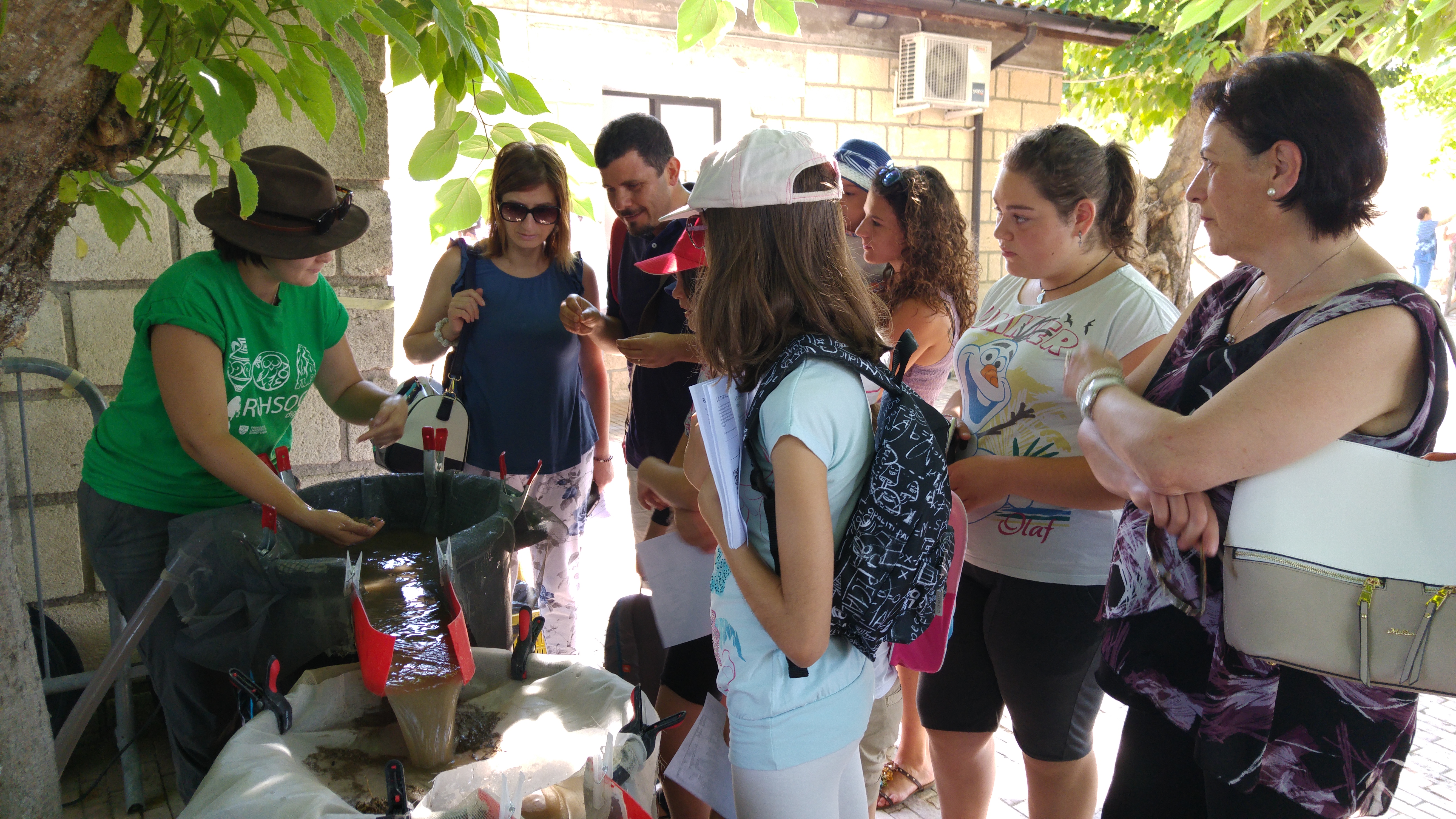
As we were somewhat limited by our linguistic abilities, those who spoke Italian guided the children and gave them an opportunity to ask questions and explore.
Alex Slucky, in green, describes flotation to visitors
What was fascinating to see was, regardless of gender or age, the participants connected immediately with the activities and were very hands-on.
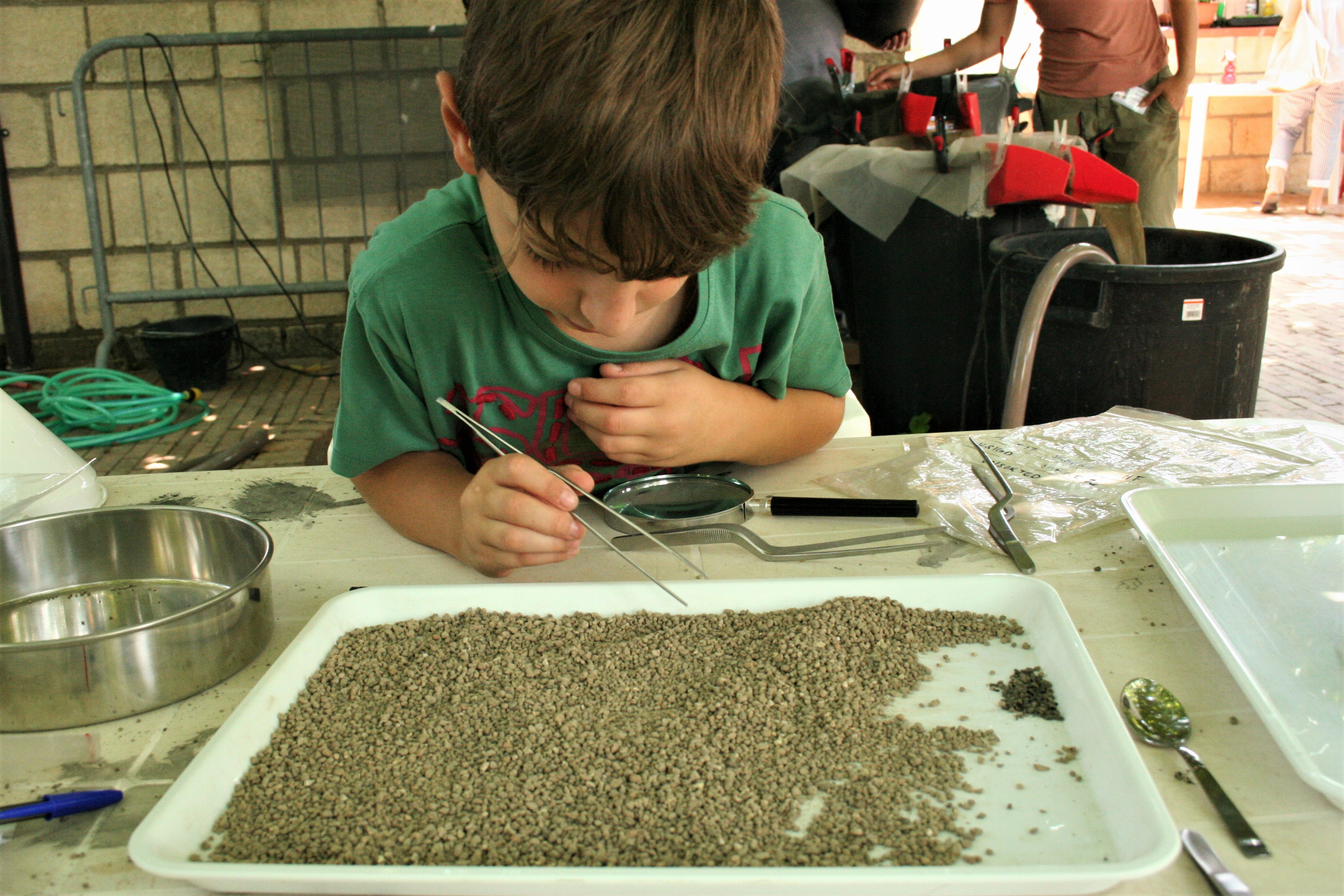
This young archaeologist skillfully picked through dried flotation specimens looking for seeds!
Encouraged to explore several facets of the work, they became quite empowered and very good at spotting the elements they were tasked to find.
Even students less comfortable speaking in Italian found a myriad of ways to communicate practices, like flotation, pottery washing and excavation. Games that had gone from brainstorm to reality in 30 days were a huge hit with the kids.
The activity book which they could take home was a big hit with kids and parents.
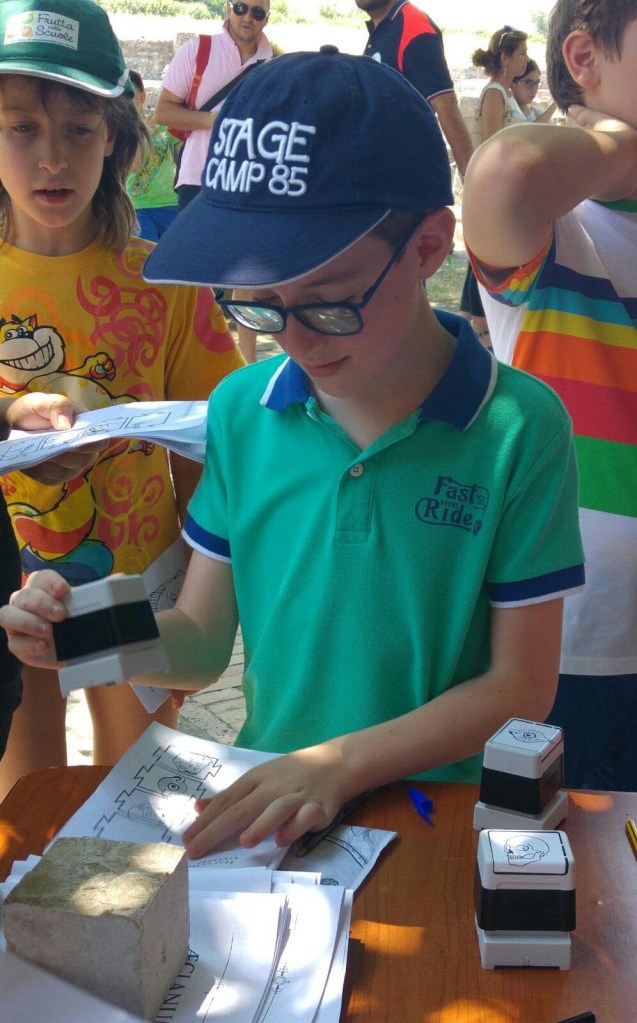
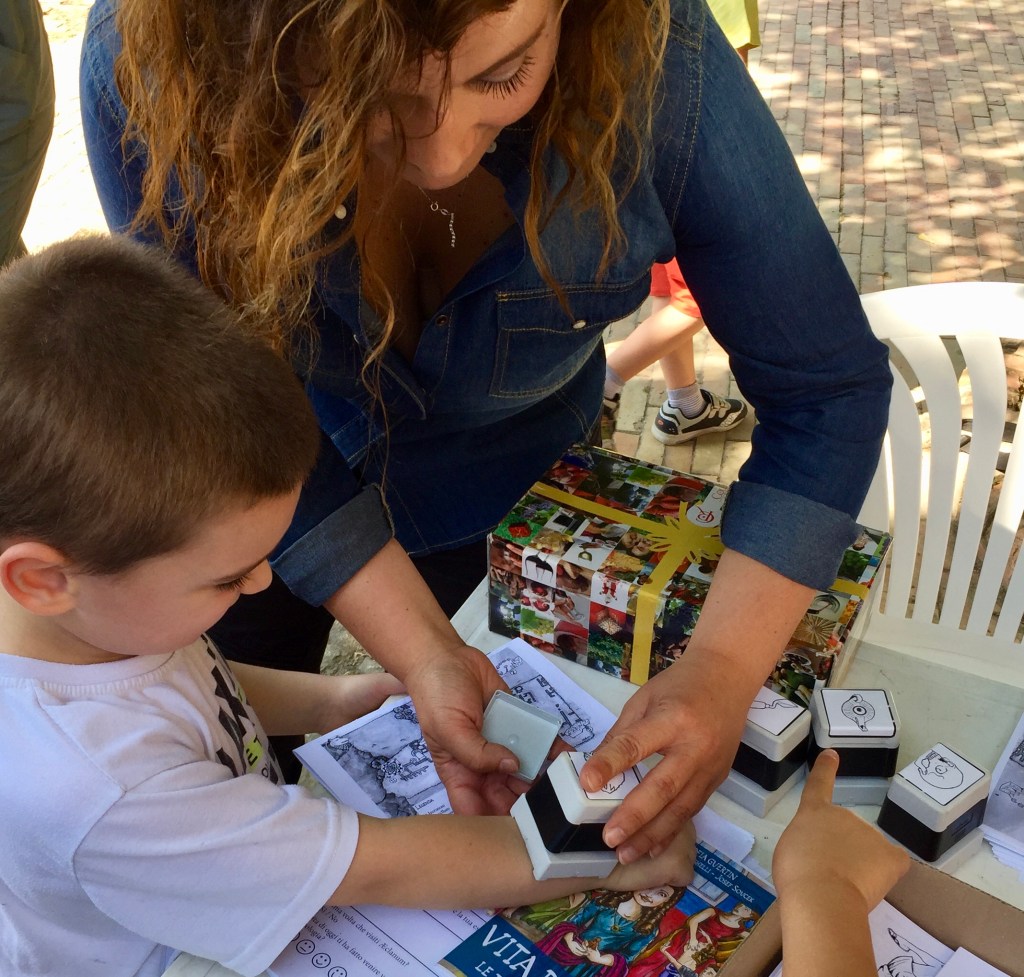
What we were able to produce for our first event was only the tip of the iceberg. Several energetic students volunteered their time this year, and hopefully we will be seeing them again next year to continue developing this programme. Custom made stamps for the Open Day, each relating to a particular area of Archaeology.
What is happening next?With the conclusion of the excavation, there was a lot of momentum to continue developing the educational and public engagement materials. There are several engagement events upcoming in Italy, helmed by Dr. Girolamo Ferdinando De Simone, which may result in some exciting possibilities for collaborative projects with local companies and schools.
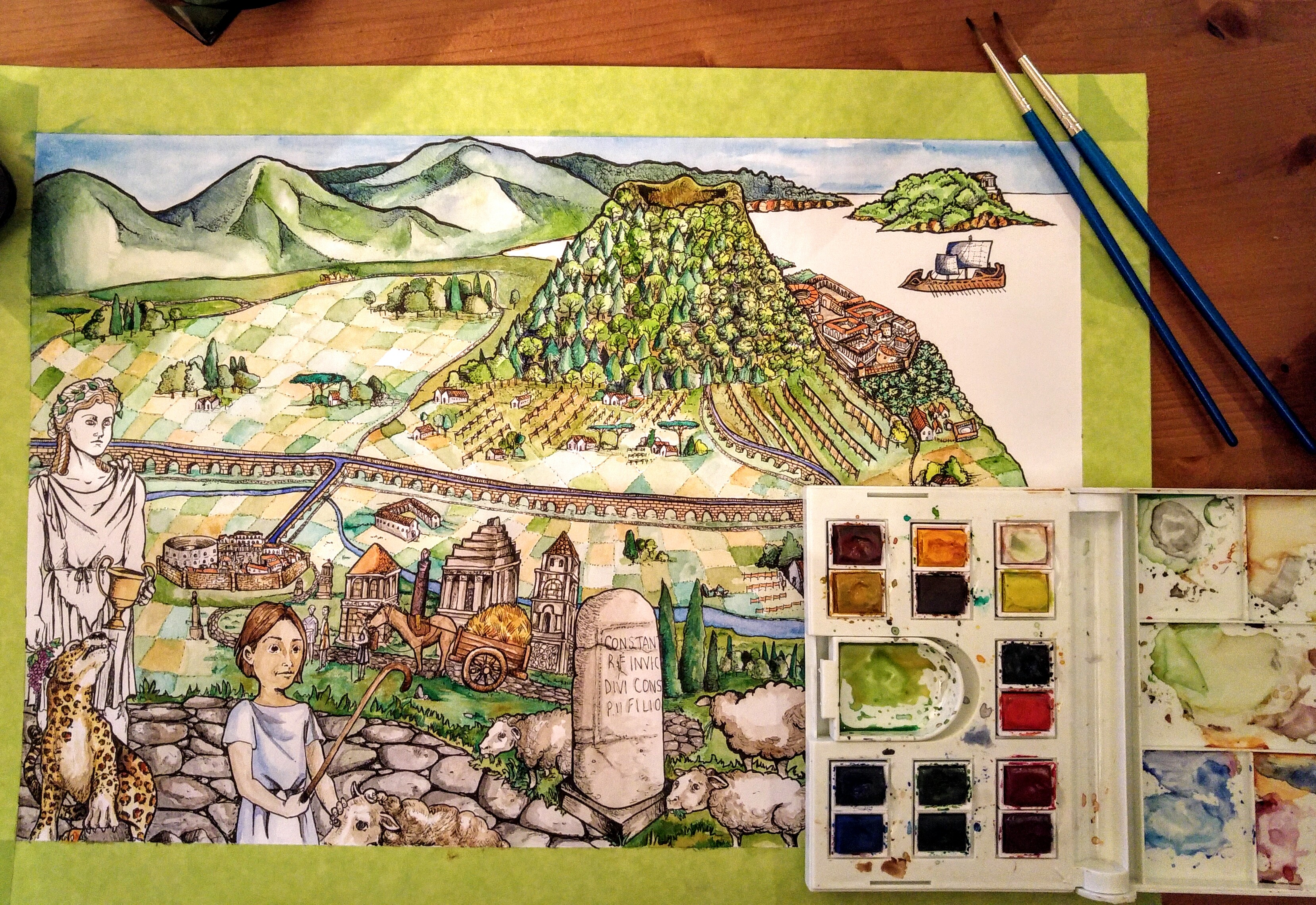
The dark side of VesuviusWorking in collaboration with Dr. De Simone, on a vibrant image of the communities and natural environment of the north slope, is one piece of the puzzle in developing visual aids to better understand the context of the area during the Roman period. Visualizing the presence of roads, rivers and settlements in the shadow of Vesuvius, shines a light on the areas that have been largely ignored. By creating these new materials, hopefully it will paint a more complete picture of the region and how interconnected the communities were.
What is next?The idea of connecting young and old to the history of their region, leaving more knowledge behind than you take away, and continuing to build on the foundations each year going forward, is the approach that I am taking from this year and will bring forward into future seasons. There is much to do and as many approaches as can be imagined.



















 I wrote a post in July for the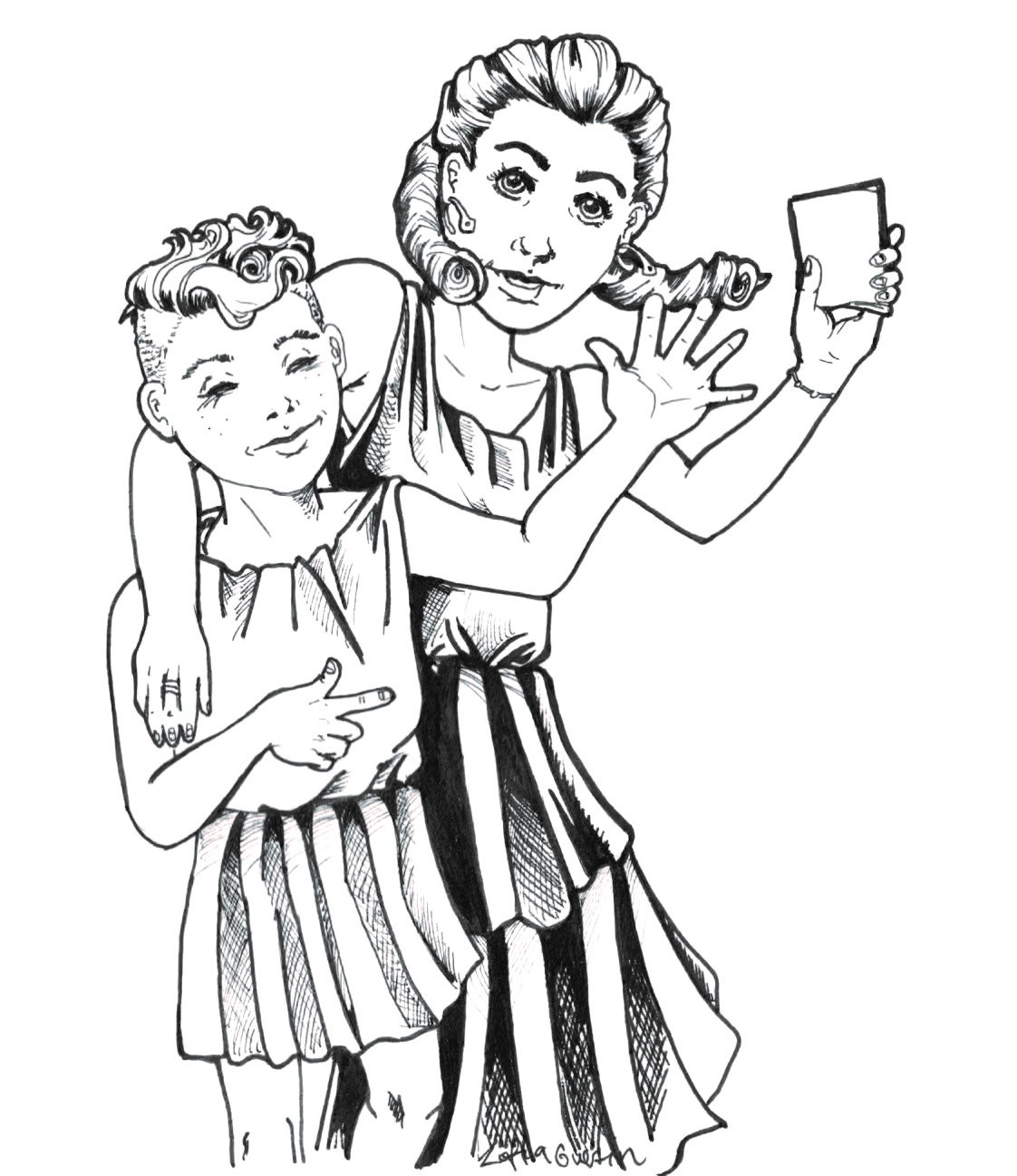
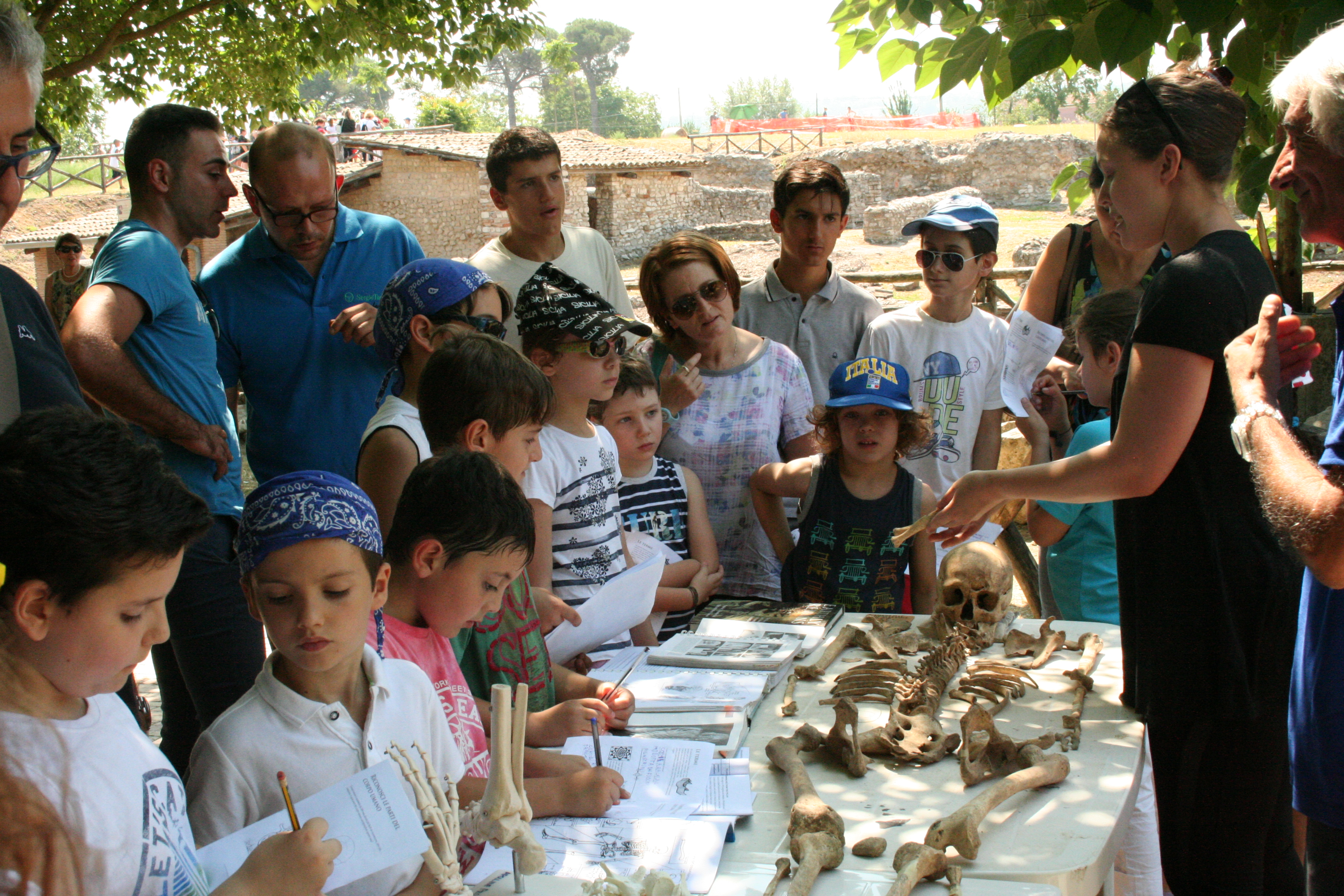 With many enthusiastic young visitors (and adults!) arriving to the site, the team at Aeclanum put on an awesome display. The efforts made by students and specialists were incredible!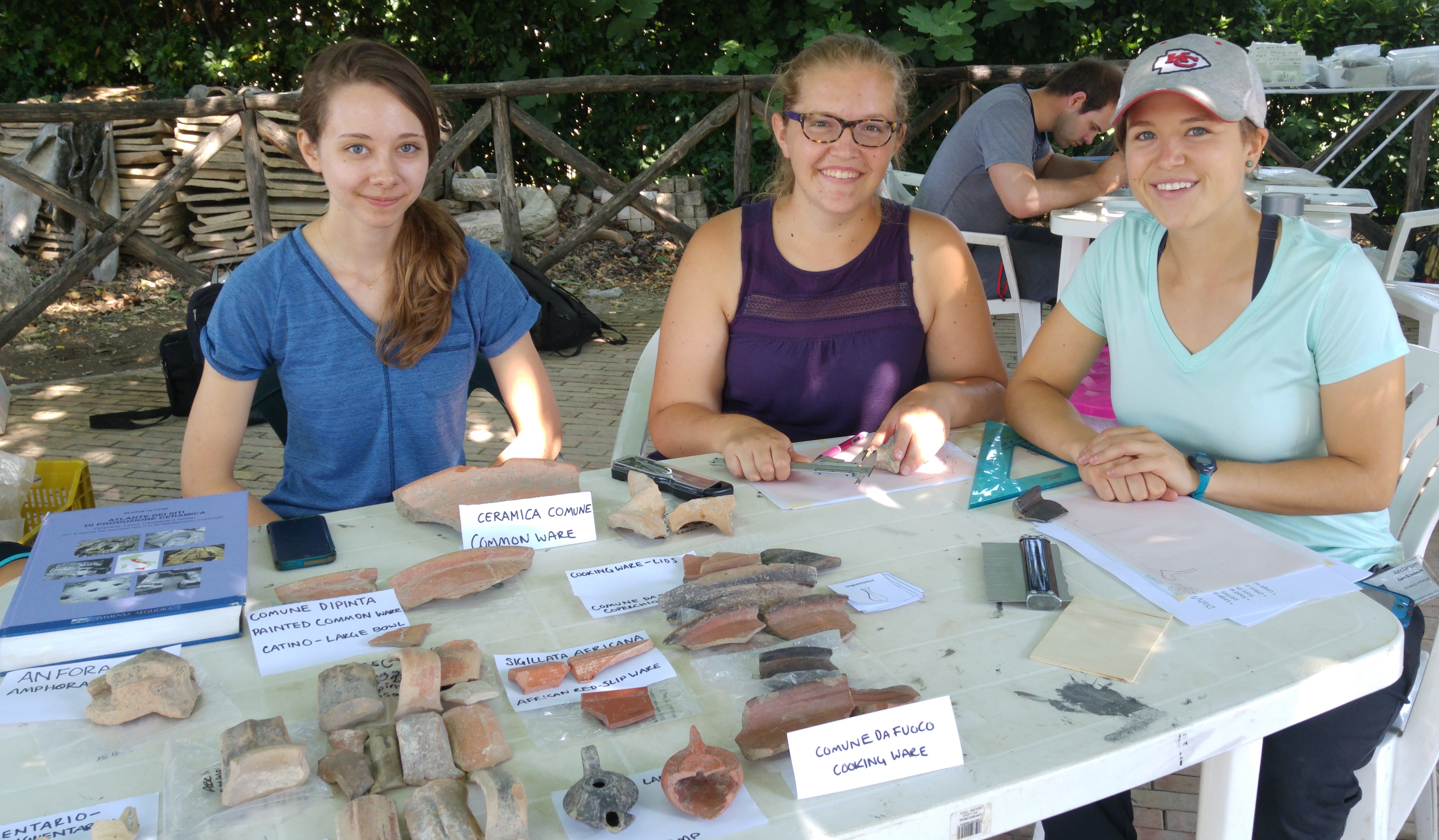
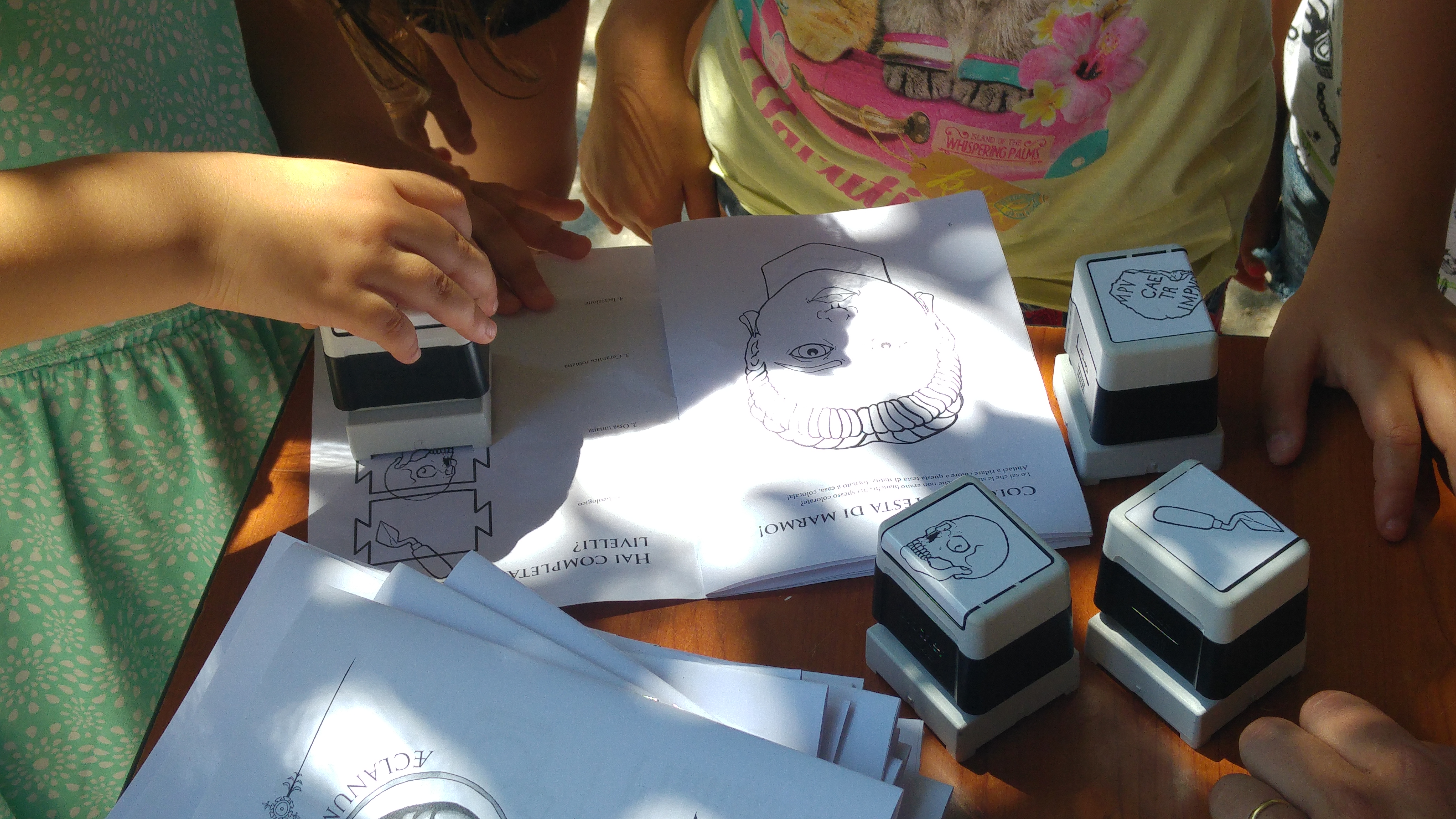 Custom made stamps for the Open Day, each relating to a particular area of Archaeology.
 With the conclusion of the excavation, there was a lot of momentum to continue developing the educational and public engagement materials. There are several engagement events upcoming in Italy, helmed by Dr. Girolamo Ferdinando De Simone, which may result in some exciting possibilities for collaborative projects with local companies and schools.
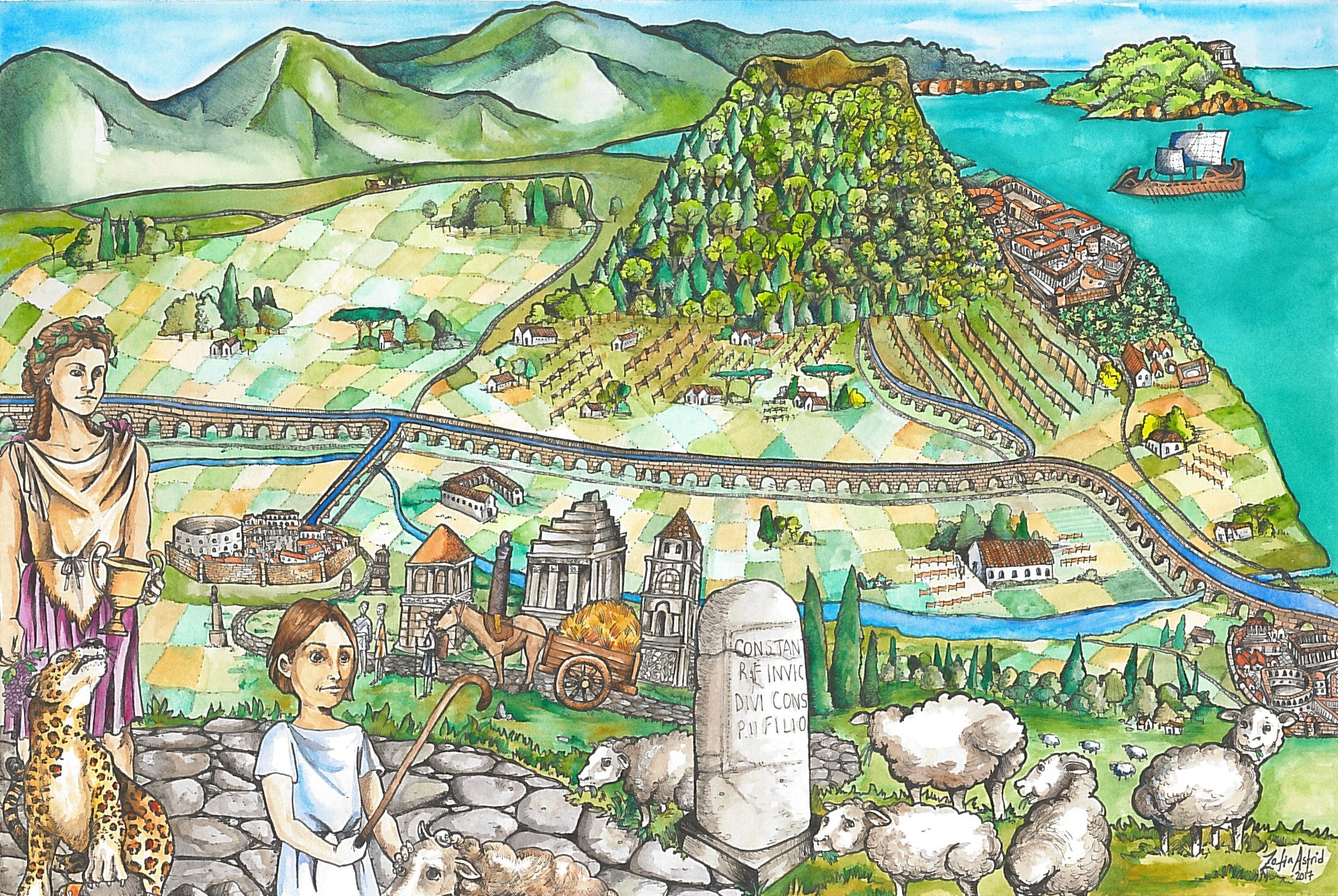 Working in collaboration with Dr. De Simone, on a vibrant image of the communities and natural environment of the north slope, is one piece of the puzzle in developing visual aids to better understand the context of the area during the Roman period. Visualizing the presence of roads, rivers and settlements in the shadow of Vesuvius, shines a light on the areas that have been largely ignored. By creating these new materials, hopefully it will paint a more complete picture of the region and how interconnected the communities were.
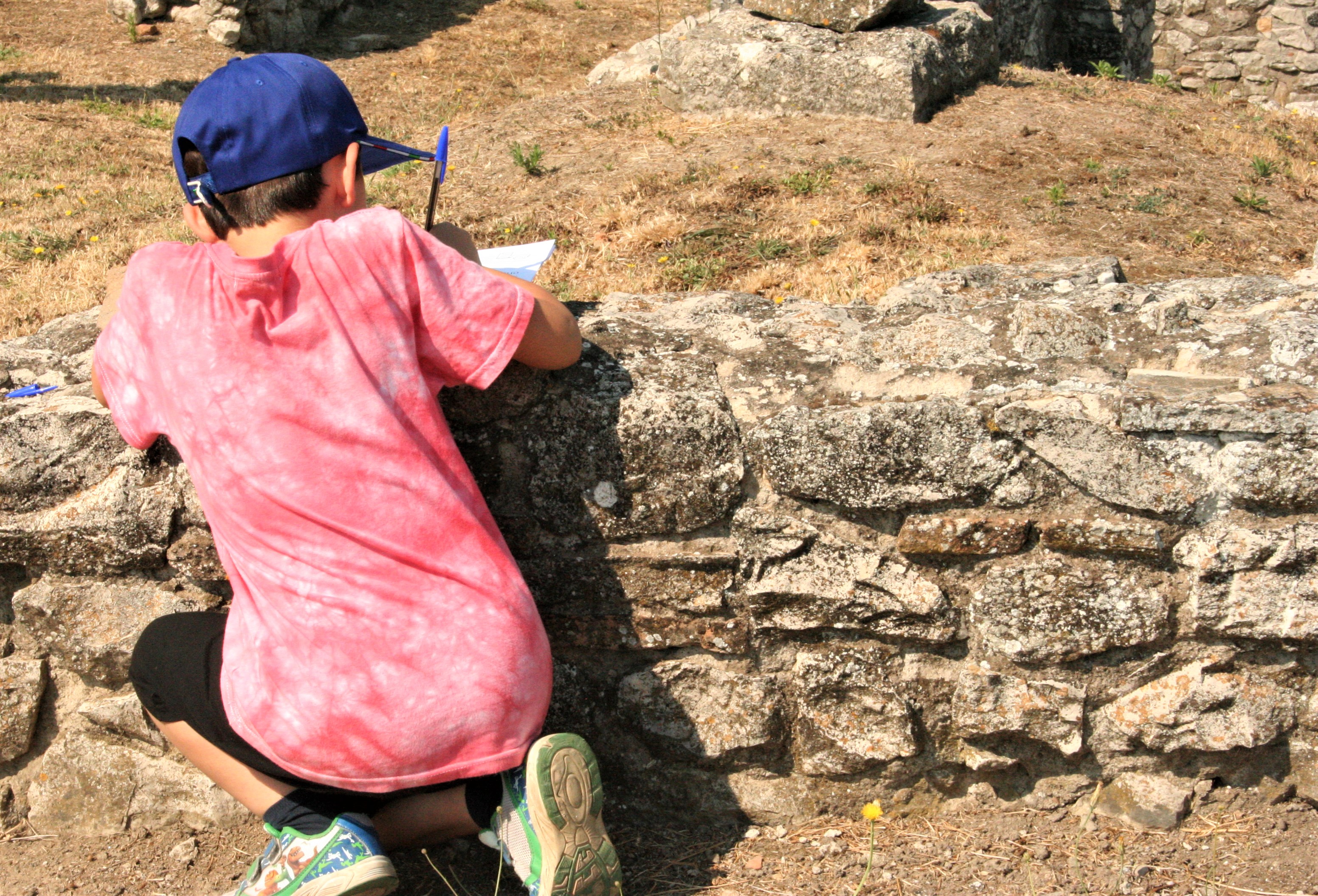 The idea of connecting young and old to the history of their region, leaving more knowledge behind than you take away, and continuing to build on the foundations each year going forward, is the approach that I am taking from this year and will bring forward into future seasons. There is much to do and as many approaches as can be imagined.
 ArchaeoArtist
You must be logged in to post a comment.