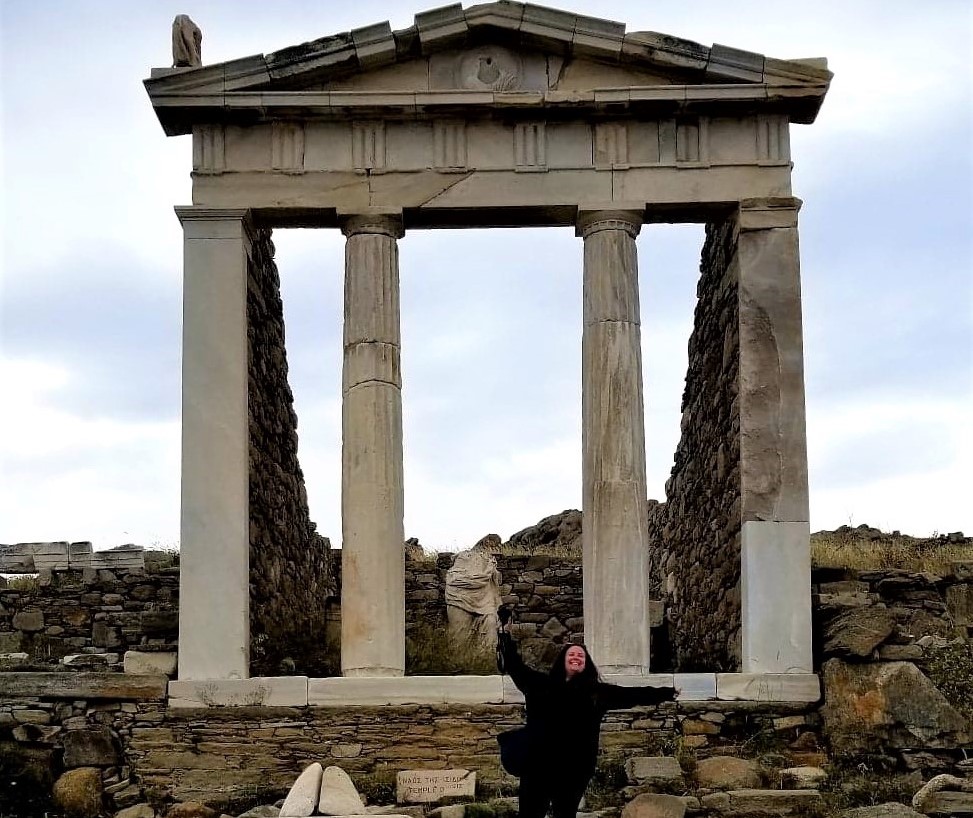

For anyone who has had to go to Mykonos on their way to Delos, I’m sorry. Mykonos in the modern period has been blessed with Instagrammable vistas, from its white-painted walls with brightly coloured doors, to the overpriced meals, it is every social media influencer’s dream. However, when one is traveling to the nearby island of Delos, a brief stay in the tourist labyrinth awaits.

Thankfully my time in Mykonos, while conducting field work, was brief. To ensure we would be able to catch a ferry crossing to Delos, we planned a day and a half in this little seaside area. With ferry tickets and a frappe in hand, my colleague and travel buddy Ms King and I, set off to the sacred island of Delos!


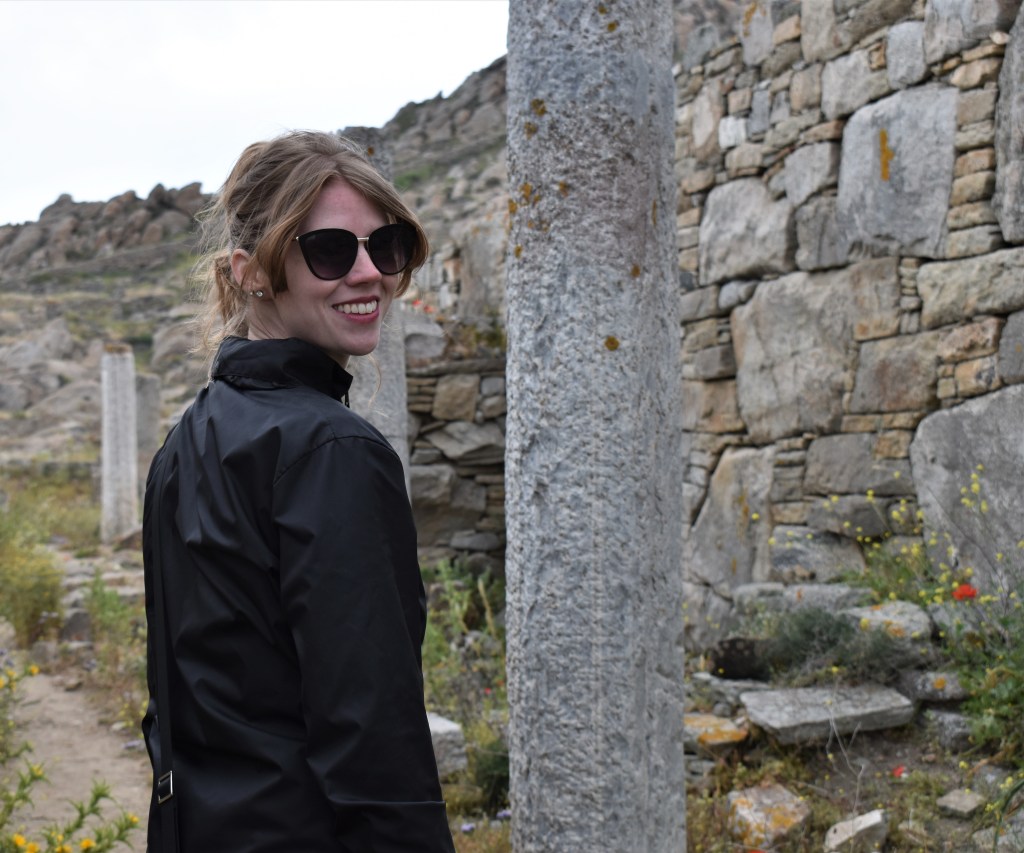

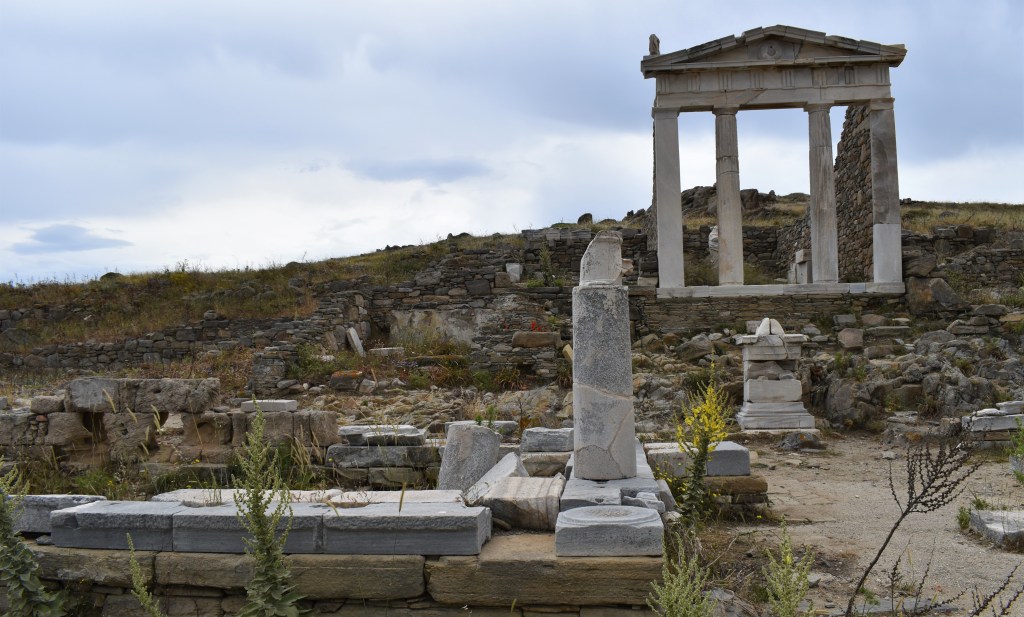
Legendary birthplace of the ancient world’s deadliest twins, Apollo and Artemis, the island was a sacred site well into antiquity. A historically important trade hub for merchants crossing the Aegean, Delos was a crucial point for the exchange of ideas, art, goods and slaves. The island of Delos itself drew many cults from across the ancient world. Of particular interest to me were the several temples to Serapis and Isis located fairly high up the hill. These newcomers to Delos were part of the expanding religious landscape of the island in the Hellenistic period.
Delos’ sanctity was ensured during the Peloponnesian wars when under oracular guidance the island was required to divest itself of the dead. That is quite uncommon. As is the case now, communities are very connected to their dead. Disturbing graves and reburying the remains on another island seems extreme. Under the guidance of the Delphic Oracle, and just like Disneyland, all of your prayers could be answered; but you couldn’t die or give birth on Delos any longer.
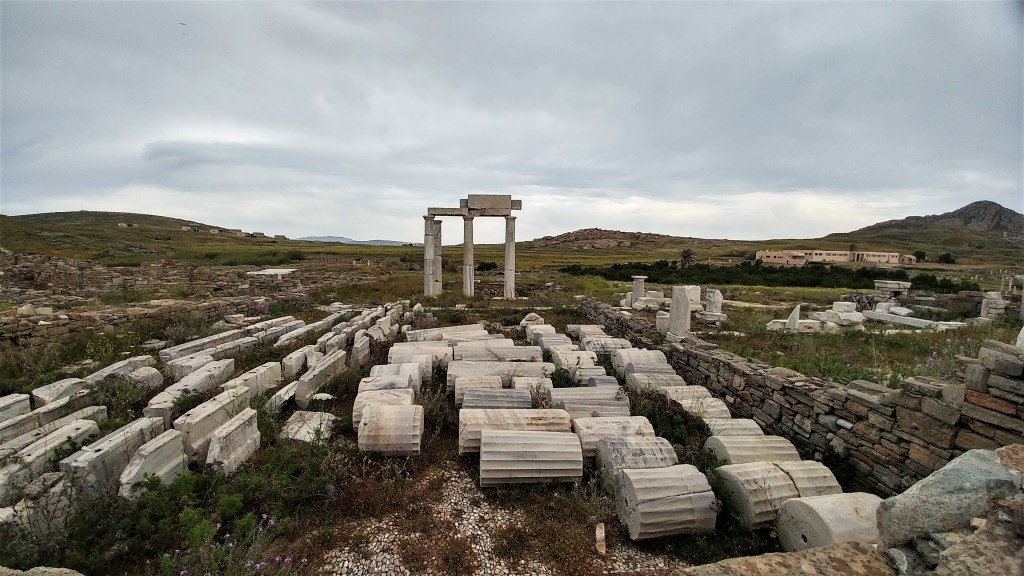
Various leagues were created and centered here to deal with military and political threats, the Delian league during the Persian Wars, and the Nesiotic League during the wars of the Successors of Alexander the Great. It is at this point, during the 3rd century BCE that the island was in the hands of the Ptolemaic Empire and the influence of the Alexandrian kingdom, and its gods was most pronounced on the island.
With more temples to Egyptian gods in one city anywhere outside of Egypt, save Rome, Delos is an interesting location to try to understand the ways in which religious integration occurs and the role in which the urban landscape is a factor.
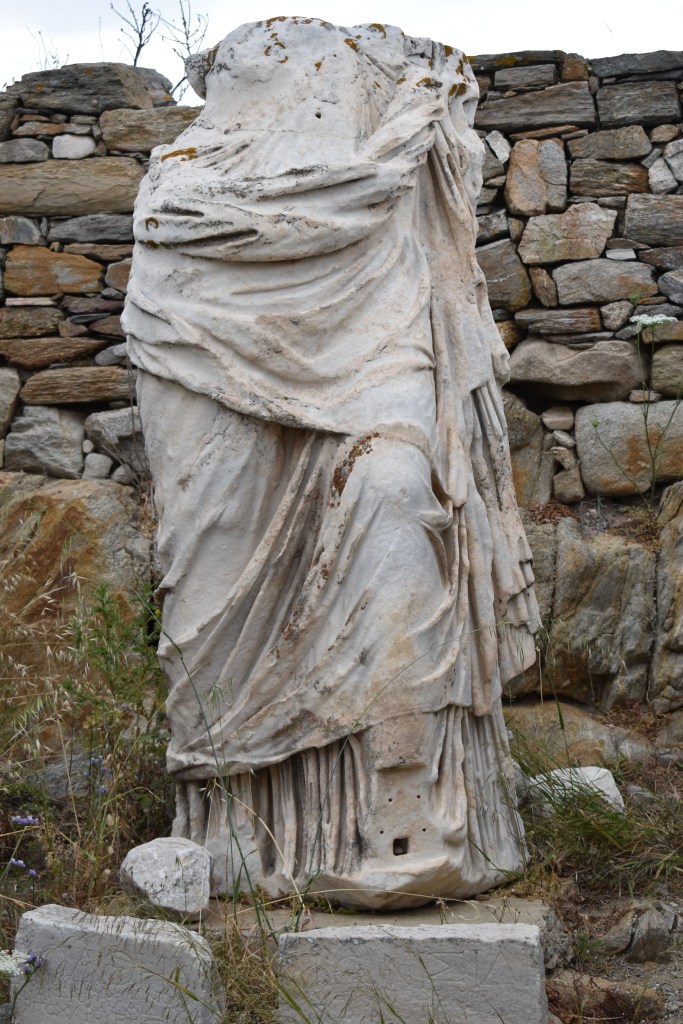
In 167/166 BCE Delos’ political fortunes changed with the growing influence and meddling in the Aegean of Rome, the island was handed over to the Athenians, who expelled the Delians. As a Roman free port, Delos benefited from the Italian aggression towards competitor cities, until an enemy of Rome sought to disrupt the Republic’s income by sacking the little holy island full of people making money from slaves. The Mithradatic Wars had two waves of destruction in Delos, coming to a head in 69 BCE.
No longer the safest outpost for ensuring Rome’s transportation of slaves and non-human trade goods, Rome made the southern Italian city of Puteoli the new port-de-jour. With that decline and depopulation Delos turned into a relic.

The temples of Isis and Serapis in Delos are built across several phases and interestingly took different forms while they thrived. One associating itself with a more ‘authentically’ Egyptian-style, and another with a more Hellenic-Alexandrian form, they co-existed though not always in perfect harmony.
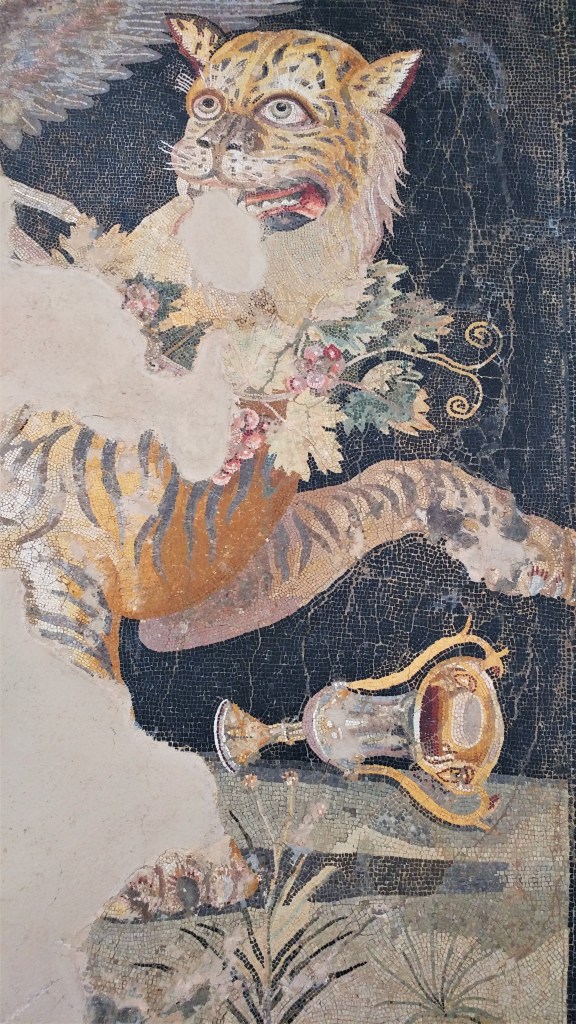
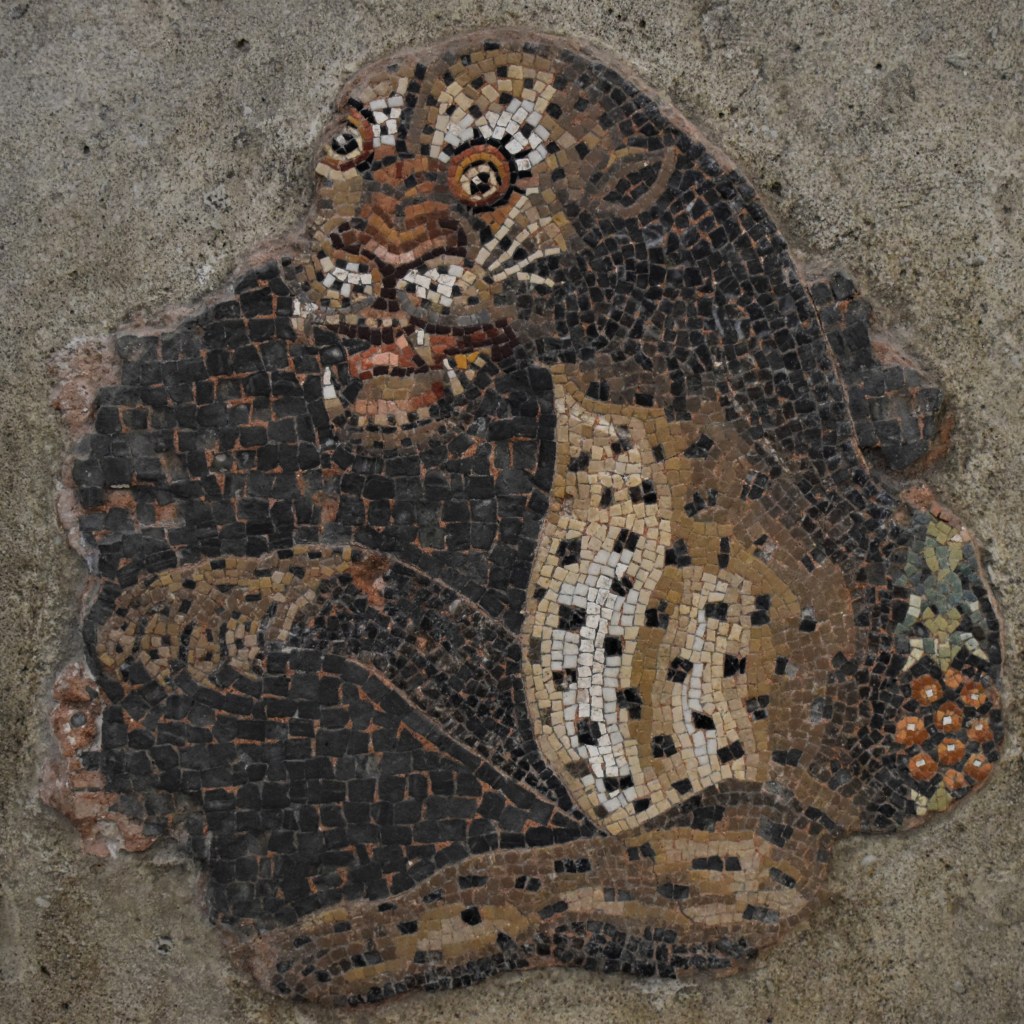
It was a perfect day to explore this incredible UNESCO World Heritage site, and as I continue with my research, it is always an enriching experience to go to these spectacular sites with my research questions in mind. After a decade passing since my last time here, much remained the same, but due to increased interest in the cults of the Egyptian gods and their relationships with Hellenic and Italic deities, the deities I study tend to get highlighted! The archaeology museum was equally worth the trip to see, with excellent mosaics and gorgeous statues.

Thank you for checking out my blog!
 The last 12 months have been eventful, with a lot of life changing things on the horizon to be excited about. In a few short days, I will be heading off for a third (more lengthy) season in the Roman town of Aeclanum, (near modern Mirabella Eclano, Italy). The last year was incredibly formative for me, as I was privileged enough to work on developing materials with the site directors of Aeclanum from the University of Edinburgh and the Apolline Project for public outreach for the Open Day, as well as ongoing learning materials for children to engage with archaeology in schools.The opportunities to share this work are blooming into new areas for me professionally with a lot of creative directions to pursue.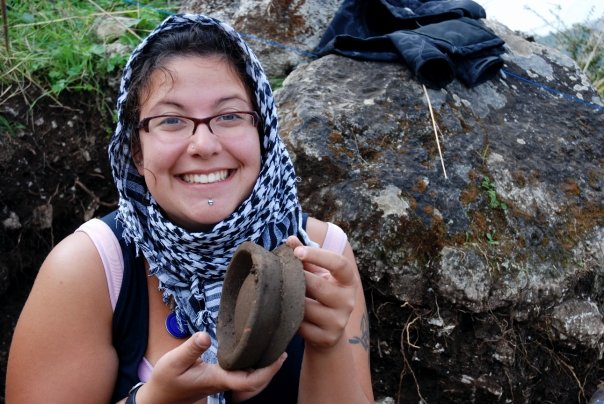

 The antiquity of the necropolis was evidenced through artefacts which represented multi-period usage on the site for burials, an ancient garbage dump (large amounts of broken pottery and animal bones), and fluted columns and architectural blocks from some unidentified building structure.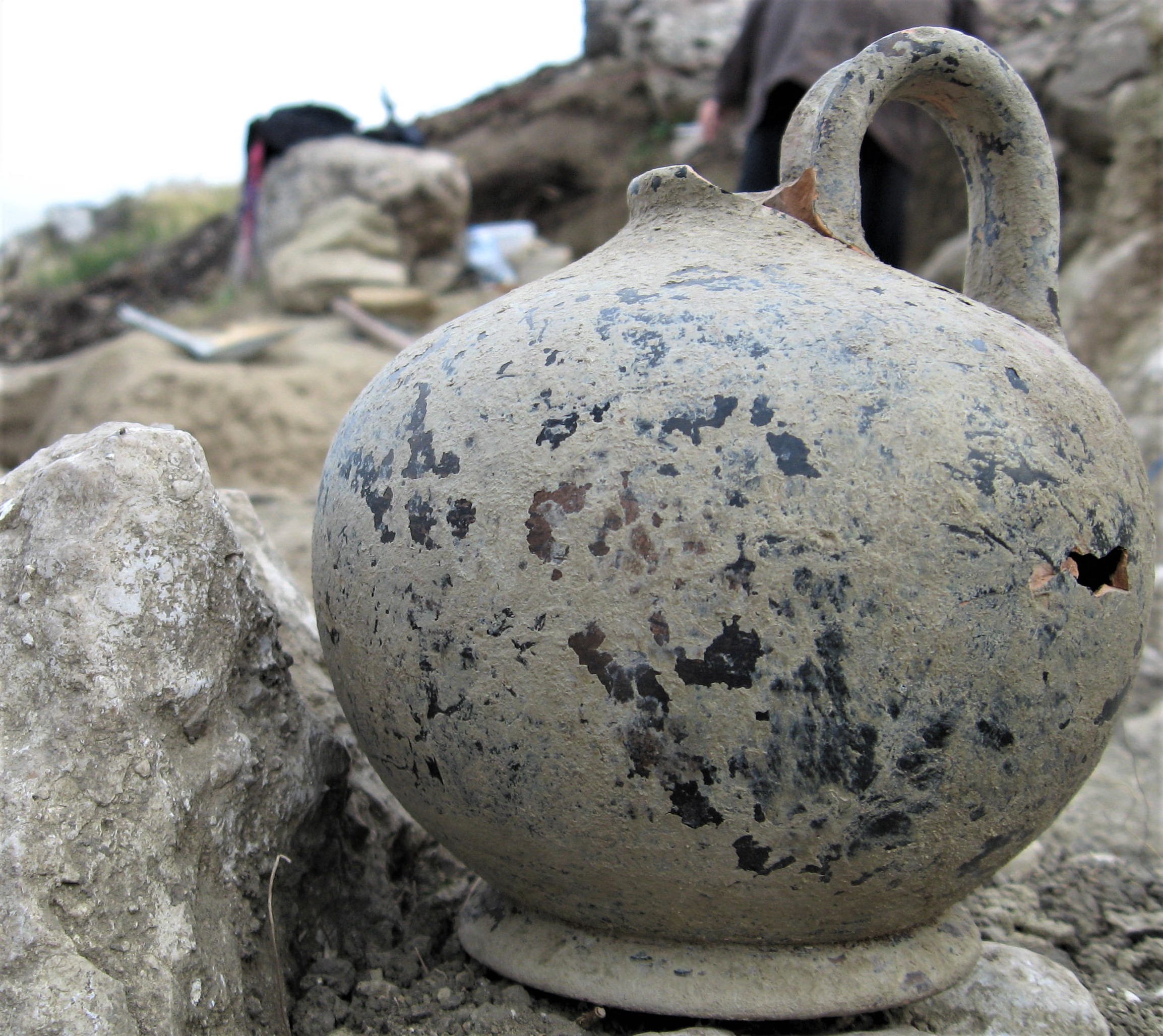
 The status of the publication of the finds from the dig is unknown to me, so to avoid getting in trouble, I have made a few artistic renderings of some of the standout artefacts:


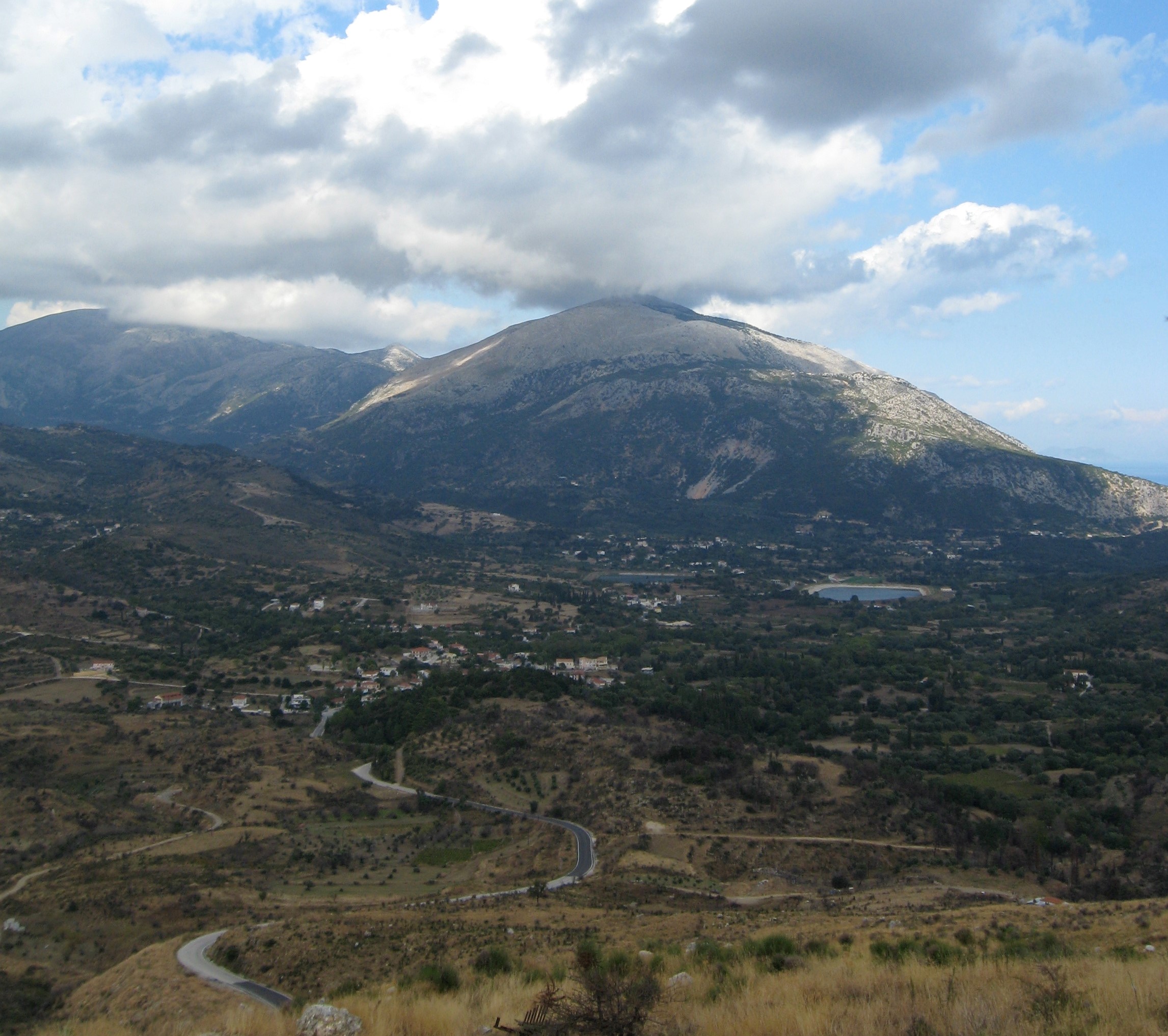

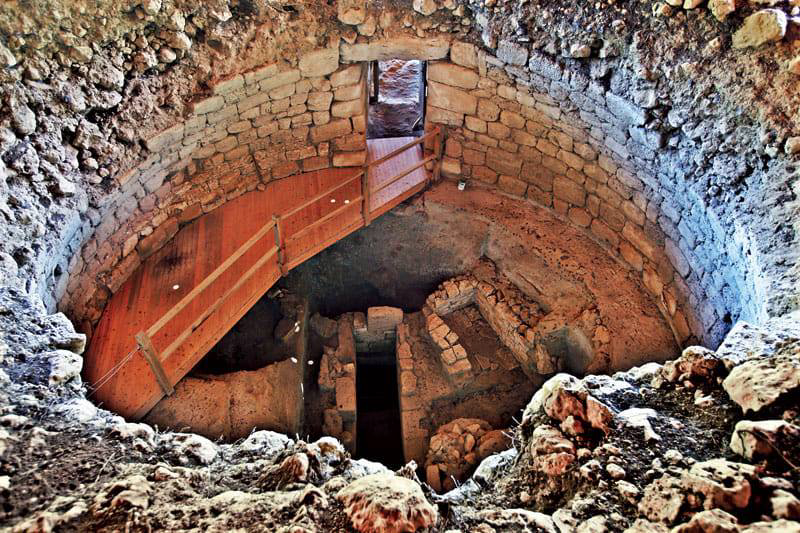

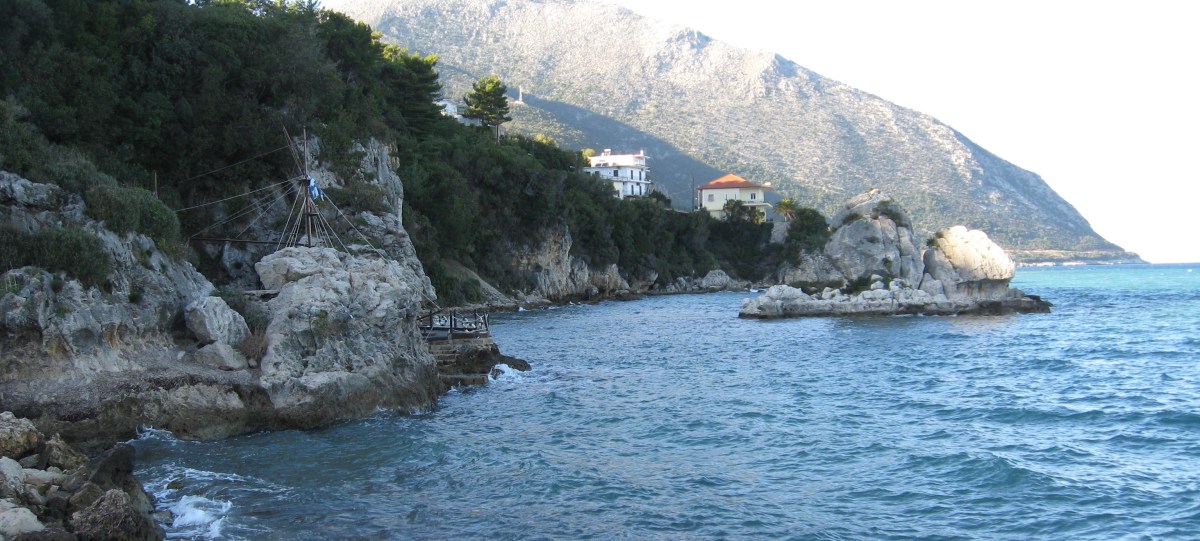
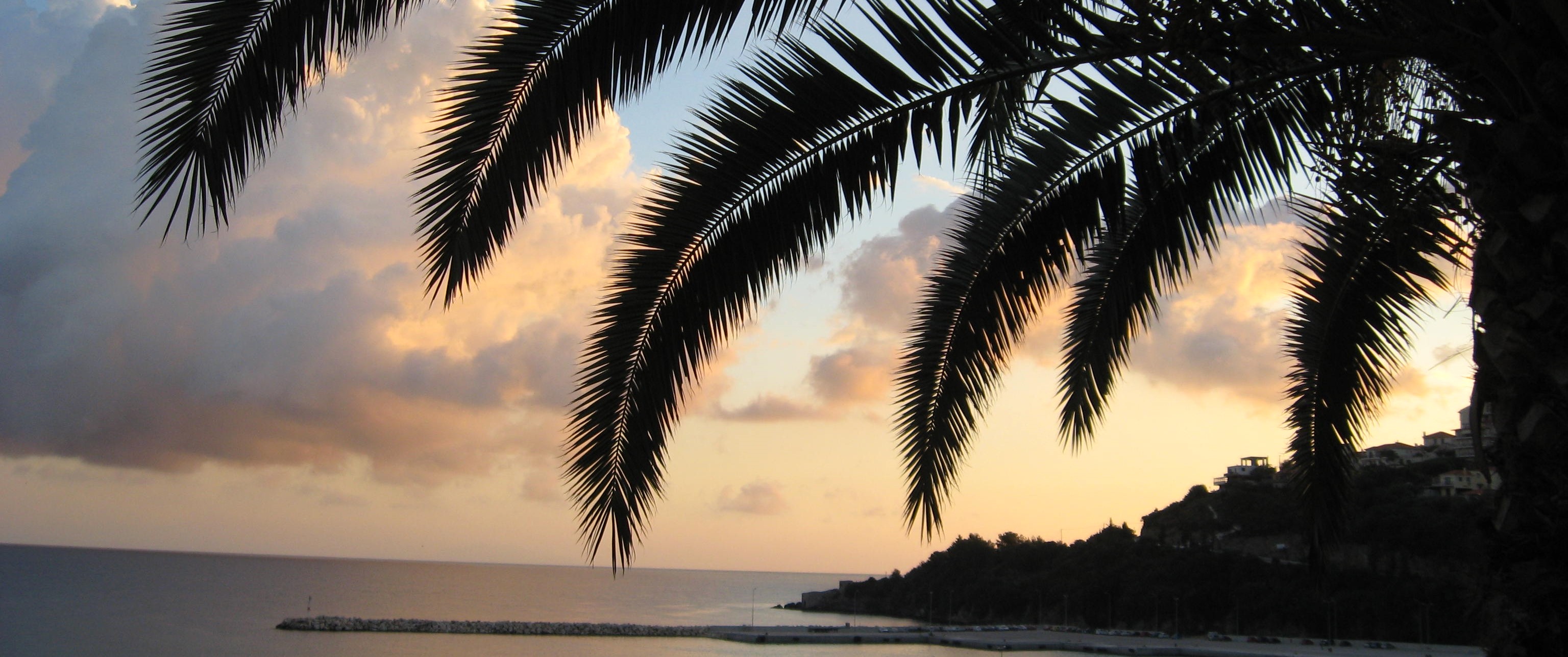
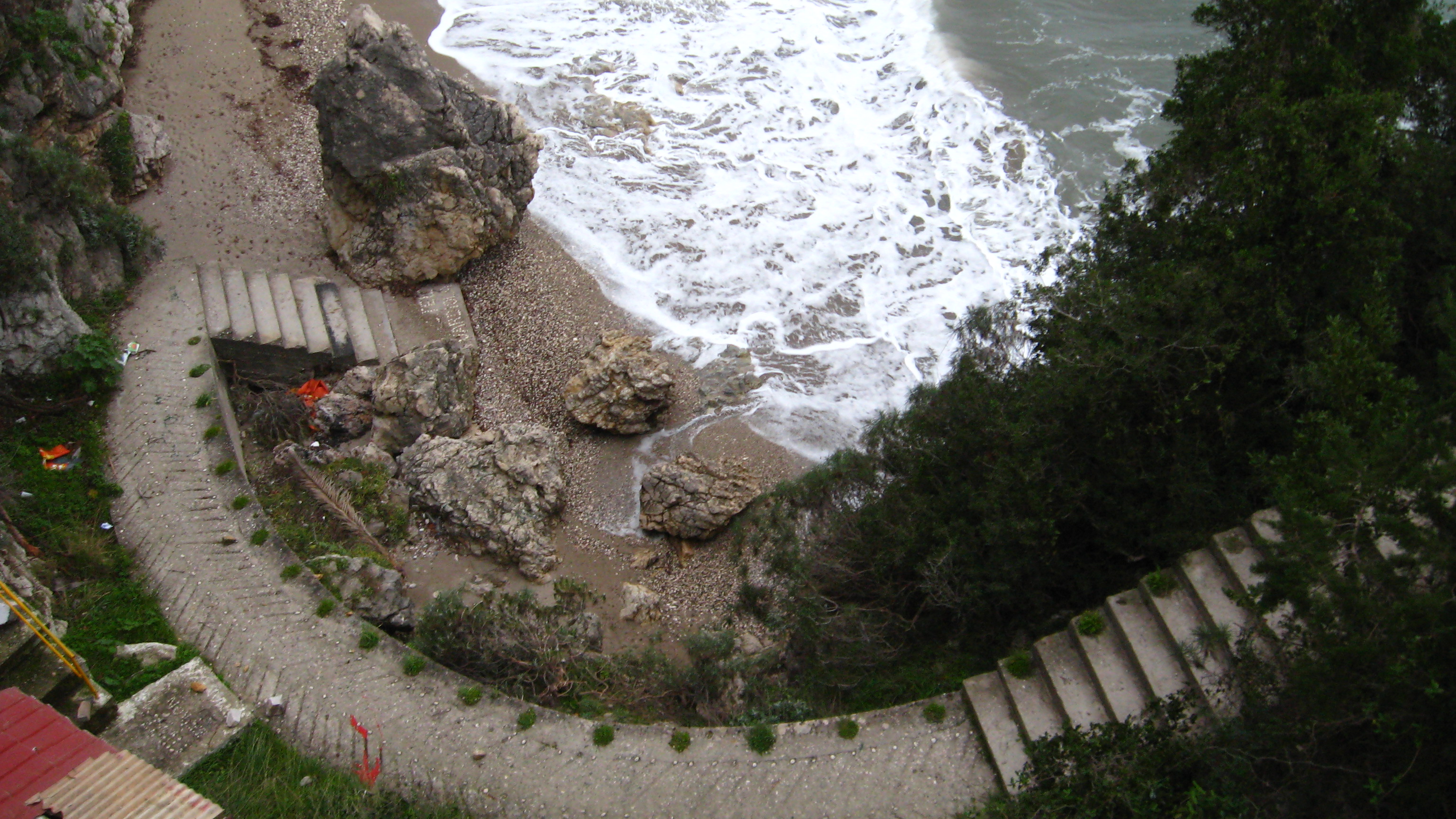 Suffice it to say, my time spent in Poros, Kefalonia, was fundamental in shaping the direction of my studies and career plans. While I have not been back since 2008, the richness in history, the warmth of the community and beauty of the island is still deeply felt. I am making plans to return and investigate the current findings of the area and reunite with the incredible people who made it such a memorable experience for me.
 ArchaeoArtist
You must be logged in to post a comment.