
What if we could tell history from an animal’s perspective?
In the latest episode of Two Friends Talk History, I’m joined by historian and University of York doctoral researcher Daan Jansen to explore one of history’s most familiar and most misunderstood animals: the rat.
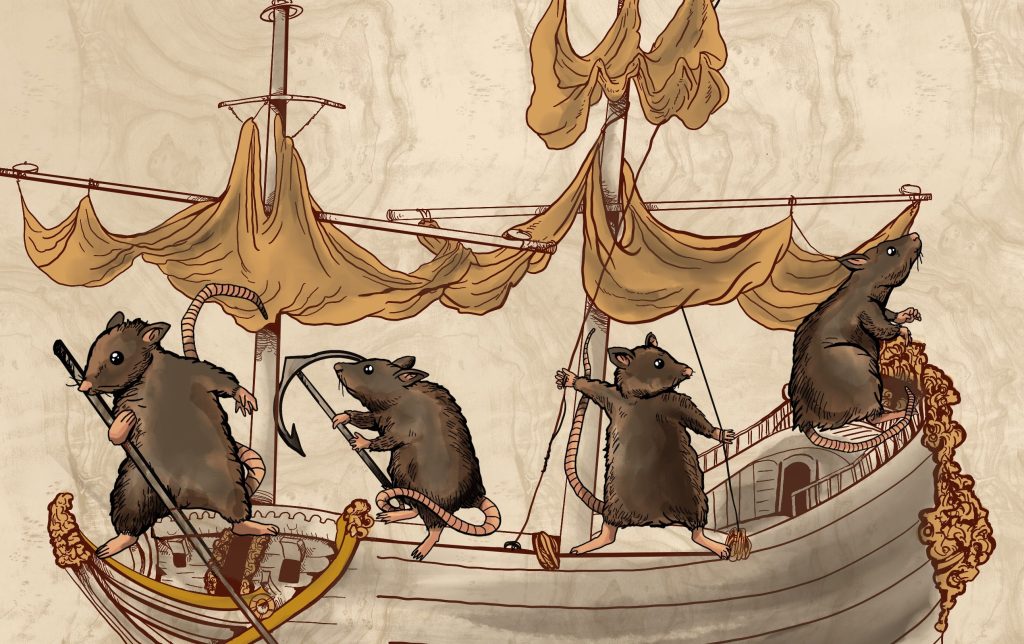
For as long as humans have built settlements, stored food and travelled across the world, rats have lived alongside us. Their history is deeply entangled with our own, shaped by trade, agriculture, urbanisation and migration.
But the story of rats is about much more than pests and disease.
Seeing history through animal eyes
Daan’s research explores human–animal relationships and asks us to consider what happens when we move beyond a purely human-centred approach to history.
Their previous research examined encounters between humans and dogs in eighteenth-century Amsterdam. Daan’s current doctoral research turns to rats, investigating how rat behaviour and human beliefs about rats shaped perceptions of these animals. One particularly fascinating part of the research is the changing relationship between the black rat and the brown rat in Northern Europe. This history raises questions about belonging, threat and coexistence—and challenges some of the assumptions we might have about which animals have always occupied our urban environments.
What can the archives tell us?
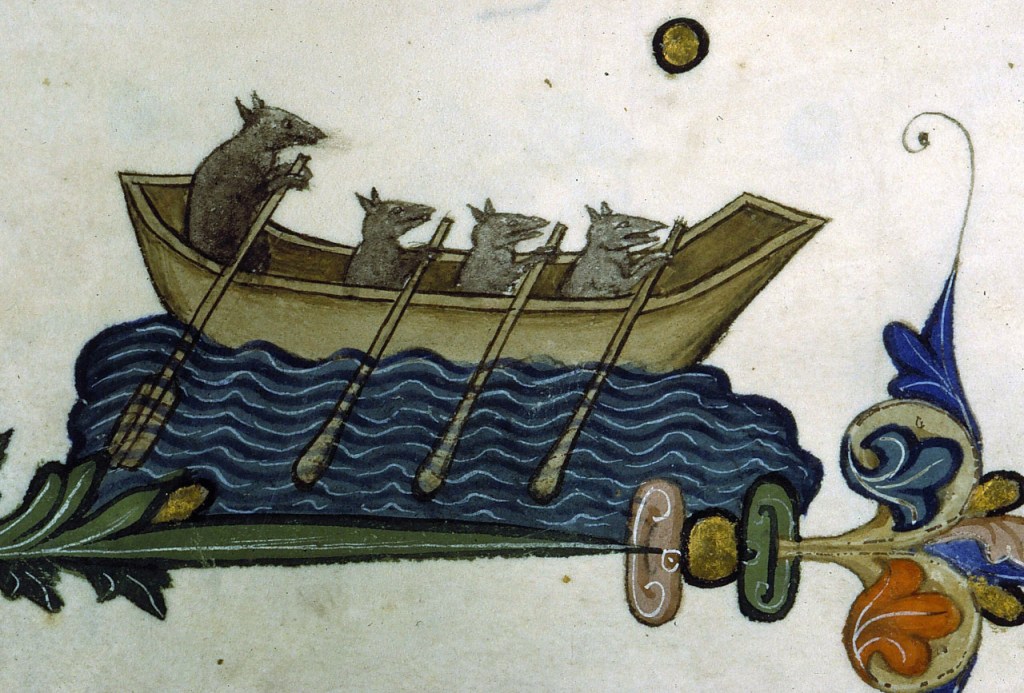
During our conversation, Daan shares some of the unexpected traces of human–rat interactions in images from the National Archives in Kew, uncovered through archival research, discussed on the RATTUS website,
We also explore how human fears and beliefs can shape the environments in which animals live. Cities aren’t simply human spaces: they are shared environments, constantly being negotiated by multiple species.
And that raises a bigger question: how do you write history from the perspective of an animal?
A rat obviously can’t leave us a written account of its experiences. So historians have to think creatively about the evidence available to them, and about the assumptions we bring when interpreting it.
Why should we care about rat history?
Looking closely at our relationship with rats opens up much bigger questions about environmental history, urbanisation, human behaviour and the ways we decide which species belong and which do not. Rats have lived alongside humans for centuries. They have benefited from our settlements, adapted to our environments and, at times, profoundly challenged them. Perhaps by looking more closely at their history, we can also see our own history differently.
🎧 Listen to “Entangled Histories: Rats in Human Worlds” on Two Friends Talk History.
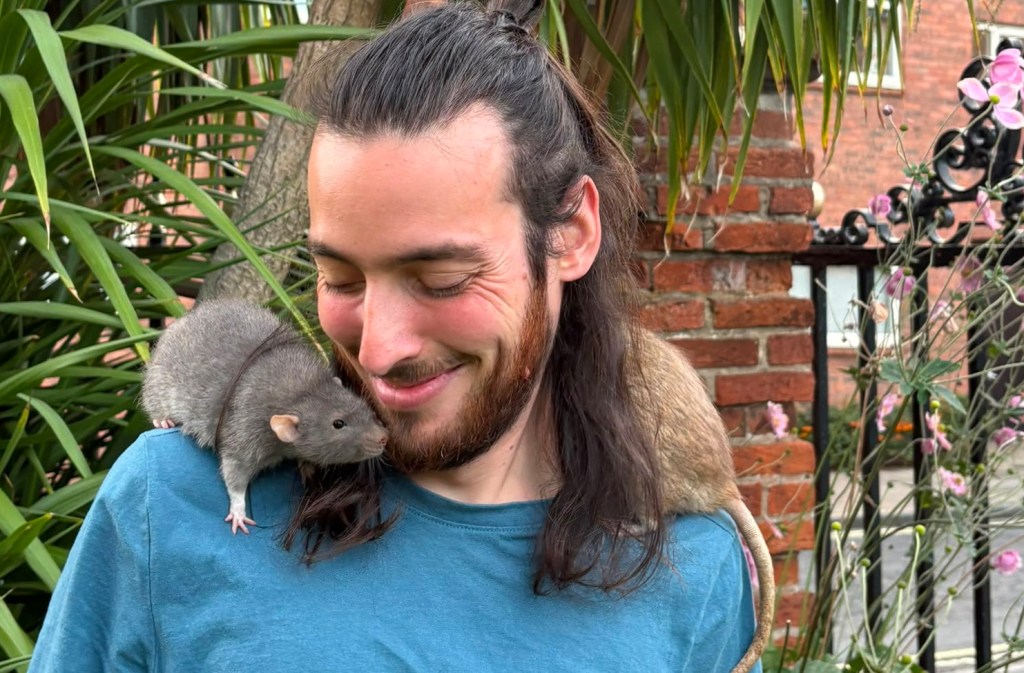
And if this episode leaves you looking at the rats in your city a little differently, then perhaps that is exactly the point.
If you would like to find out more, please visit the University of York’s RATTUS Project.
You can follow the project at @archaeoRattus on Twitter, and Daan on Bluesky @daancjansen or Instagram @animal_historian.


